Mini Pumpkins: Growing, Decorating, and Edible Uses

Introduction
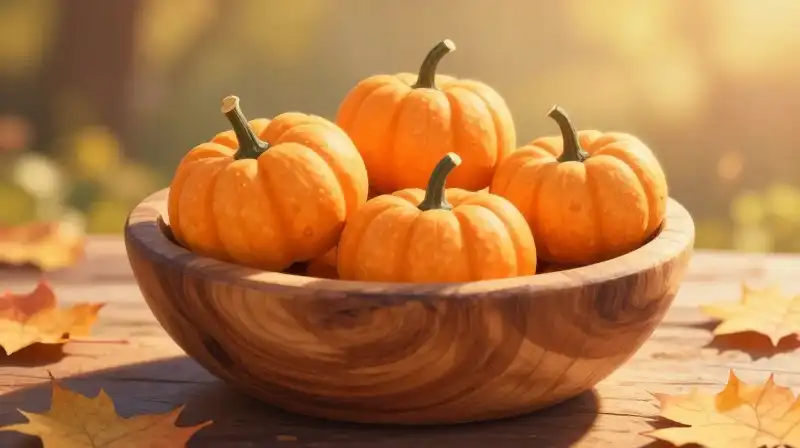
Mini pumpkins are highly valued for their compact size and aesthetic versatility, making them a popular choice for seasonal decorating and small-scale gardening. These small, manageable gourds are more than just a single-use decoration; they offer a blend of ornamental appeal and culinary possibility. Whether you are looking to grow resilient, vibrantly colored specimens, or seeking perfect components for a festive centerpiece, understanding the nuances of mini pumpkins—from seed selection to edible preparation—is key to maximizing their appeal.
Cultivating Your Mini Pumpkin Garden
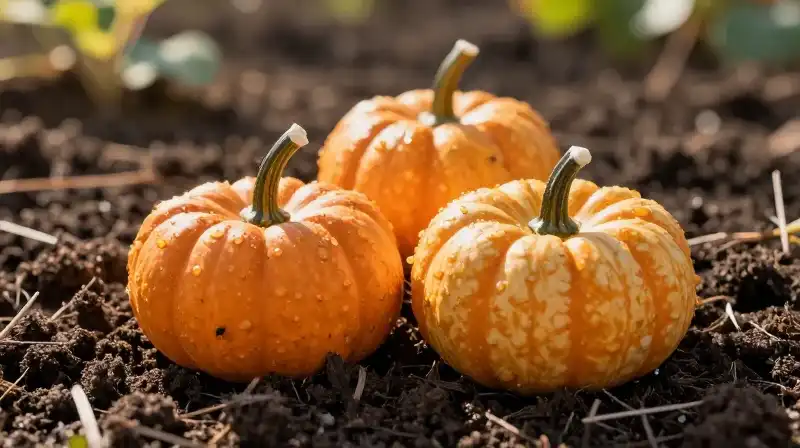
Growing your own mini pumpkin provides a rewarding way to harvest unique colors and shapes for both craft projects and kitchen use. Because these varieties are compact, they are well-suited for gardeners who have limited space, such as small backyards, patio containers, or window boxes.
Mini Pumpkin Seed Varieties and Care
When starting, selecting the right mini pumpkin seeds is essential. Seeds are available in diverse options, ranging from traditional orange to more specialized, aesthetic types like green-striped or creamy white varieties. Successful growth, especially when focusing on maximizing yield in small areas, benefits from providing proper structure.
- Space Management: Even the smallest mini pumpkins benefit from support. Incorporating a small trellis or a supportive fence can guide the growth and prevent plants from sprawling across limited ground space.
- Germination and Growth: These varieties boast high germination rates, making them reliable for first-time gardeners. Focus on ensuring consistent watering and sunlight to encourage robust, compact growth.
- Variety Selection for Health: Specific strains offer advantages. For example, varieties like Pumpkin Jill-Be-Little are noted for their resistance to common issues like powdery mildew, adding a layer of security to the gardening process.
Comparing Uses: Decoration Versus Edibility
Before purchasing or planting, it is important to determine if your goal is purely ornamental or if you plan to use the mini pumpkin for food. While many mini pumpkins are naturally edible and safe for human consumption, some are bred primarily for their unique visual characteristics and may not have the thick walls or ideal texture for cooking.
Are Mini Pumpkins Okay to Eat?
Yes, mini pumpkins are generally safe and delicious when cooked. Unlike the large, thick-skinned varieties, mini pumpkins are inherently tender, allowing for quicker preparation. Culinary use involves more than just decoration; they can be transformed into satisfying dishes, making them a healthy and versatile addition to menus.
For decorative purposes, mini pumpkins offer exceptional aesthetic value. They are frequently used as central decorative elements in home décor, seasonal arrangements, and elaborate fall tablescapes. Their small, manageable size allows them to be easily mixed into creative projects, DIY décor, and various festive settings, perfect for classroom activities or intricate harvest displays.
Culinary Applications and Preparation
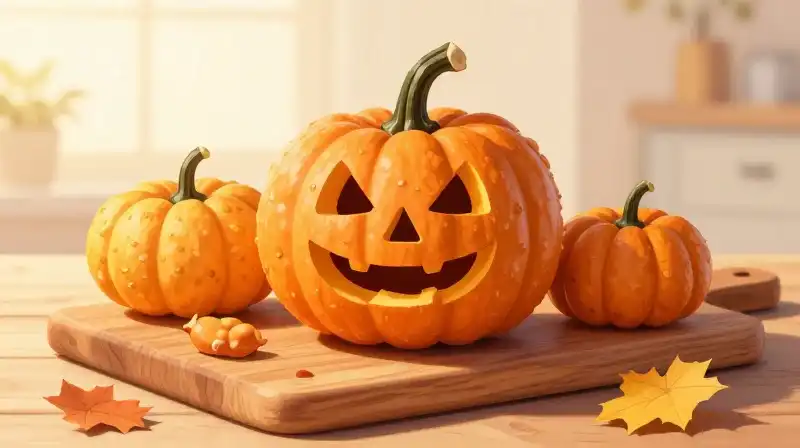
Because of their small size and tender interior, mini pumpkins are quickly processed compared to larger gourds. The preparation process is straightforward, often requiring minimal steps.
Quick Recipes and Cooking Methods
The fastest method of preparation involves initial microwaving to soften the interior. Once tender, the cavity is easy to scoop and fill. This versatility allows for several creative approaches:
- Side Dishes: They can be baked or roasted, serving as a vibrant, healthy side dish for autumnal meals, including Thanksgiving.
- Vegetarian Main Courses: When baked after initial preparation, mini pumpkins can be substantial enough to serve as a satisfying vegetarian main course.
- Fillings and Snacks: The natural cavity makes them ideal for stuffing with savory mixtures, like cheese, or sweet, festive ingredients, creating unique party food or small personal servings.
Selecting the Perfect Variety
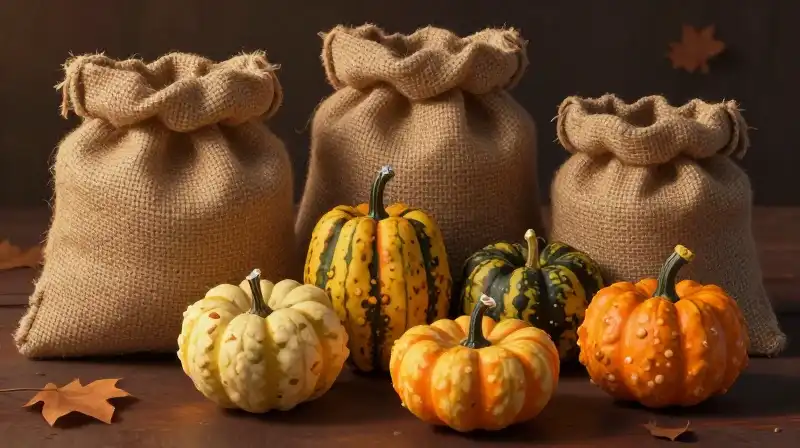
When choosing mini pumpkins, whether seeds or harvested fruit, consider the specific visual or functional traits you prioritize. Different varieties cater to diverse needs:
Aesthetic and Functional Criteria
The market offers a wide spectrum of visual choices, allowing growers to select pumpkins specifically for their decorative impact:
| Variety Type | Primary Characteristic | Typical Use Scenario |
|---|---|---|
| Traditional Orange | Classic vibrant color, high aesthetic appeal. | Standard fall décor, bulk seasonal arrangements. |
| Striped/Patterned (e.g., Pumpkin Lil Pump-Ke-Mon F1) | Unique visual texture (e.g., orange and green stripes on a white background). | High-impact thematic decoration, craft projects. |
| Specialized (e.g., Casperita) | Known for superior taste or specific flavor profiles. | Culinary applications, gourmet dishes. |
| Resistant Varieties (e.g., Pumpkin Jill-Be-Little) | Natural resistance to common fungal diseases. | Gardening in high-humidity environments. |
Practical Considerations and Storage
To ensure the longevity and quality of your harvest, whether for decoration or consumption, proper handling is crucial. Mini pumpkins should be handled gently to maintain their aesthetic integrity.
- Harvest Timing: For the best results, ensure the pumpkins are hand-harvested when fully mature. This is particularly important for ensuring both flavor and structural soundness for culinary use.
- Storage: If saving them for decoration, store them in a cool, dry location away from direct sunlight. Proper storage helps maintain their vibrant colors and prevents premature shriveling.
- Purchase Scale: When shopping for bulk needs—such as bulk sets of 18 pieces for retail display or events—ensure the vendor specifies if the pumpkins are dedicated ornamental grades or food-grade, depending on your end use.
Ultimately, mini pumpkins are a versatile resource that bridge the gap between gardening, culinary arts, and seasonal design. By understanding the differences between ornamental and edible strains, and knowing the simple preparation methods, you can successfully incorporate these charming, compact gourds into almost any seasonal arrangement or festive meal.
Frequently Asked Questions
Are mini pumpkins okay to eat?
Mini pumpkins are generally safe and delicious when cooked; however, it is important to remember that some varieties are bred primarily for their visual appeal and may not have the ideal texture for culinary use.
How to Prepare Mini Pumpkins for Cooking
Prepare the Pumpkin
Utilize the fastest method of preparation by microwaving the mini pumpkin initially until the interior is soft and tender.
Scoop the Cavity
Once the pumpkin is tender, scoop out the cavity, which is easy due to its small size.
Fill and Cook
Fill the natural cavity with your desired ingredients, such as savory mixtures like cheese or sweet festive ingredients.
Related Articles