Selecting the Right Winter Lawn Fertilizer for Cold Weather

Introduction
While the appearance of a lawn naturally changes as temperatures drop, strategic winter fertilization is a critical step in preparing turf for the next growth cycle. The central question—whether you should apply fertilizer in the winter—is answered affirmatively, provided the timing and formulation are correct. The goal of selecting the right winter lawn fertilizer is not to encourage vigorous top growth during dormancy, but rather to strengthen the plant’s root system, enhance cold tolerance, and facilitate the storage of vital nutrients needed for a healthy, lush spring emergence.
The Strategy Behind Winter Lawn Fertilizer
Applying fertilizer during the coldest months serves a different biological purpose than applying it in mid-spring. When active growth slows or pauses, the grass focuses its energy inward. Winter fertilization acts as an investment in root resilience. By providing essential nutrients during this period, you are essentially ensuring the grass can effectively absorb and store required elements. This process helps the turf withstand environmental stresses like freezing temperatures and potential winter diseases, resulting in a more robust and quicker revival when spring temperatures arrive.
If you are wondering what happens if you fertilize your lawn in the winter, the primary outcome is improved hardiness. Unlike typical summer feeds designed for rapid leaf expansion, winter formulas are engineered for stability and internal strength, preventing the lawn from suffering unnecessary stress during the cold months.
Nutrient Selection: Why Nitrogen and Potassium are Key
The composition of a suitable winter grass fertilizer focuses heavily on specific macronutrients. The required components work together to ensure winter survival and preparation for spring:
- Nitrogen (N): While N is crucial for leaf greening, in winter, it is used to maintain the deep green hue of the grass during dormancy and to support healthy cellular maintenance. It helps the turf remain visually healthy even when growth is minimal.
- Potassium (K): Potassium is arguably the most critical component for cold tolerance. It improves the plant’s ability to resist stress, enhances disease resistance, and helps stabilize the internal processes of the grass as it endures harsh winter conditions.
- Phosphorus (P): Generally, high-phosphorus fertilizers should be approached with caution during winter. While P is vital for root development in general, overapplication can sometimes lead to unwanted side effects or waste during cold periods. It is always wise to consult a soil test before relying on high-phosphorus recommendations.
Choosing the Best Winter Lawn Fertilizer for Your Climate
The optimal choice of winter grass fertilizer is highly dependent on your specific grass type and local climate. A blanket recommendation is insufficient because different turf varieties respond differently to nutrient application:
For cool-season lawns—such as Kentucky bluegrass or fescues—which are designed to thrive in cooler weather, the application of balanced blends, often featuring slightly higher nitrogen to maintain color, is beneficial. These lawns benefit from targeted nutrient uptake before the deepest freeze sets in.
Conversely, for warm-season lawns, such as Bermuda grass, the approach must be more cautious, as active growth can be suppressed by freezing temperatures. In these cases, focusing strictly on root-strengthening, slow-release formulations and ensuring the fertilizer is applied before significant hard freezes is paramount. When seeking the best fertilizer for winter green grass, the emphasis must be on the stability and resistance it imparts, rather than aggressive growth.
Fertilizer Formats and Application Methods
When selecting a product, consider the delivery method:
| Format | Benefit | Use Case |
|---|---|---|
| Granular Fertilizer | Slow-release nutrients; long-term nutrient storage. | General lawn health and root preparation. |
| Liquid Winter Lawn Fertilizer | Quick absorption; good for localized stress relief. | Targeted applications or smaller turf areas. |
The decision between a liquid or granular feed often comes down to the specific timing and urgency of the nutrient need, but both serve the purpose of supporting the lawn’s winter readiness.
Timing and Application Guidelines
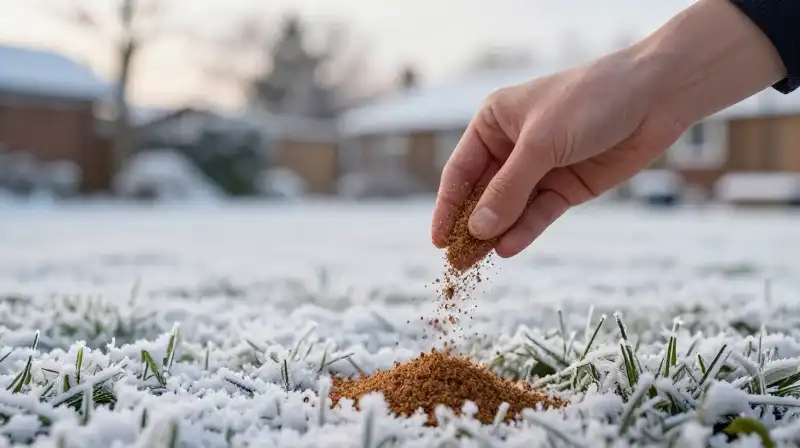
The window for applying fertilizer in winter is critical to maximizing nutrient storage and minimizing waste. Optimal application occurs in the late fall or early winter, immediately before the turf enters a prolonged period of dormancy. Applying fertilizer too early risks runoff before the grass can utilize it, while applying it too late—when the ground is frozen or temperatures are below freezing—prevents nutrient absorption.
When using winter fertilizer for grass when to apply, focus on consistency. A single, balanced application of a slow-release formula is often more effective than multiple light applications. This allows the grass a sustained period to absorb the nutrients into its root structure, ready for the burst of activity in the spring.
Summary of Winter Fertilization Decisions
Successfully navigating the complexities of winter lawn care requires a focused, strategic approach rather than a simple application of chemicals. To ensure your lawn is resilient and lush come springtime, prioritize the following practical criteria:
- Focus on Strength, Not Speed: Select formulas designed for nutrient storage and root hardening, not aggressive leaf growth.
- Prioritize Potassium (K): This nutrient is your primary tool for enhancing cold tolerance and stress resistance.
- Consult Local Conditions: Adjust your NPK blend and timing based on whether you have a cool-season or warm-season lawn, and the severity of your local climate.
- Avoid Freezing Temperatures: Never apply fertilizer when the soil is frozen or when extreme cold is imminent; allow for adequate absorption time before the deepest freeze.
By choosing a winter lawn fertilizer that supports internal resilience over superficial appearance, you are making a proactive choice to guarantee a healthier, more vibrant lawn when the active growing season resumes.
Frequently Asked Questions
Should I put fertilizer on my grass in the winter?
Yes, strategic winter fertilization is recommended, provided the timing and formulation are correct. The goal is to strengthen the plant’s root system, enhance cold tolerance, and facilitate the storage of vital nutrients needed for a healthy spring emergence.
What is the best fertilizer for winter green grass?
The optimal winter fertilizer depends on the specific grass type and local climate, but the best options focus on stability and root-strengthening rather than aggressive growth. Regardless of the grass type, potassium (K) is the most critical nutrient for enhancing cold tolerance and resistance to stress.
What happens if you fertilize your lawn in the winter?
Winter fertilization strengthens the plant’s root system, enhances cold tolerance, and facilitates the storage of vital nutrients needed for a healthy spring emergence. The primary outcome is improved hardiness, allowing the turf to withstand environmental stresses and leading to a more robust and quicker revival in the spring.
How to Apply Winter Lawn Fertilizer
Select Fertilizer Type
Choose a formula designed for root hardening and nutrient storage, prioritizing Potassium (K). Adjust your selection based on whether your lawn is cool-season or warm-season.
Determine Optimal Timing
Apply the fertilizer in the late fall or early winter, immediately preceding the onset of a prolonged period of dormancy.
Maintain Application Guidelines
Avoid applying fertilizer when the soil is frozen or temperatures are freezing. For best results, use a single, balanced application of a slow-release formula.
Related Articles