Golden Raspberries: What Makes Them Sweeter Than Red Raspberries?

Introduction
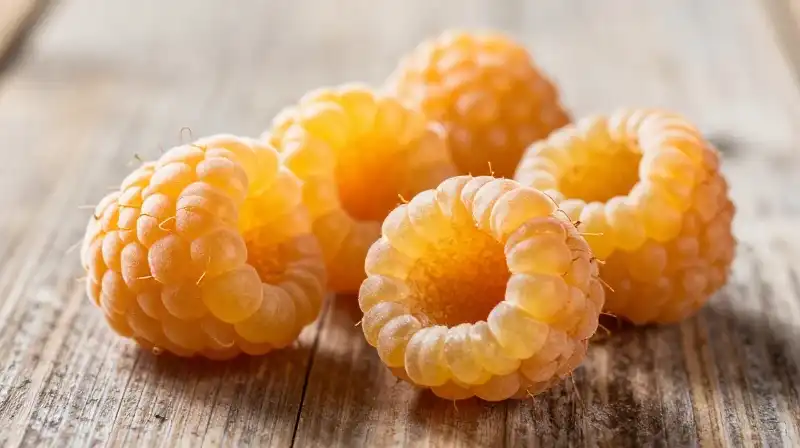
The primary difference between golden raspberries and conventional red raspberries lies in their genetic makeup, specifically regarding acidity, which translates directly into a distinct and heightened sweetness. Unlike their deep red counterparts, golden raspberries possess a unique, patented golden champagne hue and a notably reduced level of natural tartness, making them inherently sweeter. This characteristic is not merely a difference in taste but a result of rare recessive genes that influence color production and acid levels, setting these fruits apart for specific culinary and ornamental uses.
The Biological Basis of Sweetness and Color
 To understand why golden raspberries are sweeter, it is necessary to look at the science behind their development. In many fruits, color is inextricably linked to the presence of acids and pigments. The golden hue of this cultivar is the result of specific genetic traits that inhibit the standard production of deep red anthocyanins. This genetic variation simultaneously affects the fruit’s acidity. Red raspberries contain varying levels of citric and malic acids, which provide the characteristic tart “bite” and balance the sugars. Golden raspberries, however, exhibit a reduced acidity due to these same recessive genes. With less natural tartness and a concentration of sugars, the overall flavor profile is perceived as significantly sweeter than the common red varieties.
Comparing Taste: Golden Raspberries vs. Red Raspberries
While both are rich in antioxidants and nutritionally comparable, their sensory experiences are quite distinct.
Golden Raspberries:
These berries typically offer an exceptionally sweet, delicate flavor. They are recognized for having less natural tartness and often display complex flavor notes beyond simple sweetness. Their unique coloration, ranging from bright golden to orange and sometimes featuring pinkish hues, contributes to their desirability both as a food and as a garden specimen. They are fundamentally designed for sweet applications.
Red Raspberries:
Traditional red raspberries offer a robust flavor profile. They possess a higher level of acidity, which provides a necessary counterpoint to the sweetness. This balance of sweet and tart makes them highly versatile, suitable for a wide range of applications, including both sweet and some lightly spiced savory dishes.
Growing and Cultivation Considerations
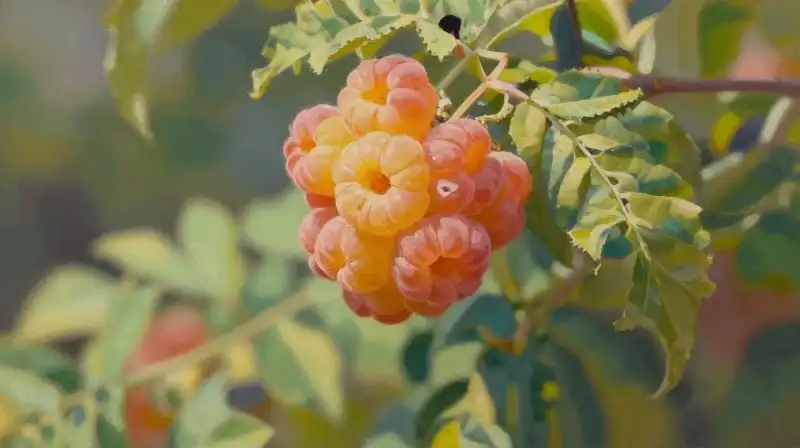 For gardeners seeking to incorporate these unique fruits into their landscape, understanding their growing needs is key. While the summary highlights the robustness of the Double Gold variety, golden raspberries generally thrive with careful cultivation.
Key Cultivation Traits:
Golden raspberry plants are known for their vigorous growth and ability to produce multiple harvests in a single season. In certain regions, they are grown in mineral-rich soils, such as those found in areas like Washington State. They possess a natural resilience, tolerating common diseases that might affect less hardy varieties, which makes them an attractive option for home growers looking for reliable yields.
- Productivity: They are known for high productivity, often delivering a primary harvest in the fall, followed by a secondary crop in the following summer.
- Structure: The fruit typically presents in a distinct, pleasing conical shape.
- Suitability: They are ideal for gardeners who desire robust plant health and frequent, high-quality yields.
Culinary Limits: Where Golden Raspberries Shine and Where They Don’t
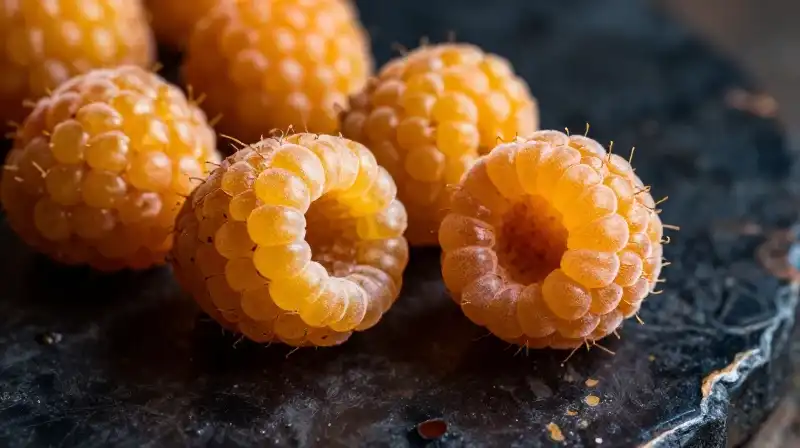 The inherent sweetness and low acidity of golden raspberries dictate their optimal use in the kitchen. Because they are less tart, their profile is perfect for desserts that rely on sweet, pure fruit flavors.
Ideal Sweet Applications:
Due to their high sugar content and lack of sharp acidity, golden raspberries excel in:
- Baking (muffins, pies).
- Jams and jellies, where they provide a beautifully colored, sweet base.
- Sorbets and sweet syrups.
Important Culinary Limitations:
It is crucial to recognize that the reduction in acidity makes them unsuitable for savory applications. While a red raspberry might cut through the richness of a cheese or a savory sauce, the highly sweet and delicate nature of the golden berry often overwhelms savory ingredients. When considering recipe choices, limit them strictly to sweet, dessert-focused scenarios.
Synthesis: Making the Golden Raspberry Choice
 When deciding between the two, consider your intended use and desired flavor profile. If your priority is a highly sweet, delicately flavored fruit perfect for baking or vibrant desserts, the golden raspberry is the superior choice. Conversely, if you require the acidity and complexity needed to balance rich, savory, or highly tannic ingredients, the traditional red raspberry offers the necessary tartness. For those growing them, the promise of a double harvest and robust plant structure makes them an excellent addition to any specialized fruit garden.
Frequently Asked Questions
What's the difference between raspberries and golden raspberries?
Golden raspberries are inherently sweeter and possess a reduced level of natural tartness due to genetic traits, distinguishing them from the deep red varieties. Red raspberries, however, have a higher level of acidity, which provides a robust flavor profile and a necessary counterpoint to sweetness.
Related Articles