Cold Hardy Avocado Trees: Selecting Frost-Resistant Varieties

Introduction
Avocados are celebrated globally for their creamy texture and rich flavor, but their natural tropican origins often suggest they are sensitive to cold. If you are serious about cultivating a cold hardy avocado tree, understanding the inherent genetic differences between avocado types is critical. Not all avocados are created equal when facing freezing temperatures. The key to frost resistance lies primarily within the Mexican subspecies, which possesses the highest level of cold tolerance among the three naturally occurring varieties.
This guide details how to navigate the different subspecies, provides specific recommendations for varieties built to handle winter lows, and outlines the essential cultivation practices required to ensure your plant survives the freeze and thrives afterward.
Understanding Avocado Subspecies and Cold Tolerance
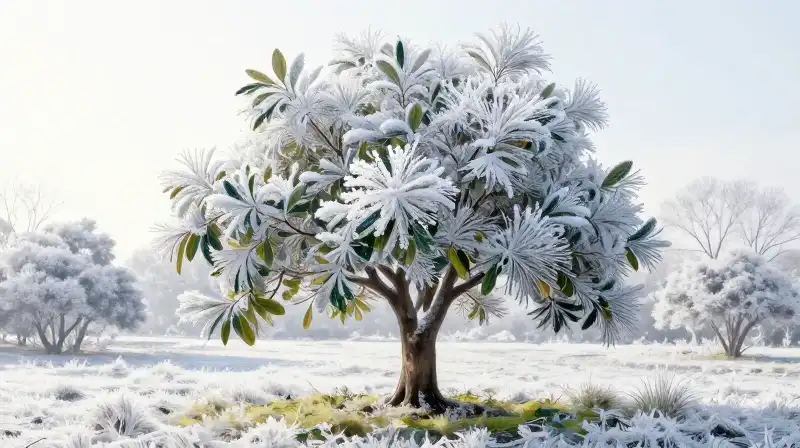
The three primary avocado types—West Indies, Guatemalan, and Mexican—exhibit a clear hierarchy of cold resistance, dictated by their genetic makeup. This distinction is the most important factor when deciding whether a variety is suitable for your climate.
- West Indies Avocado: This is the most delicate variety. It is highly susceptible to frost and generally cannot sustain freezing temperatures beyond roughly 28-30°F (-1 to -2°C).
- Guatemalan Avocado (e.g., ‘Hass’): These trees possess moderate resilience. While they are significantly tougher than West Indies varieties, they typically require protection against frost near 25°F (-4°C).
- Mexican Avocado: This subspecies represents the gold standard for cold tolerance. Pure Mexican varieties can withstand extreme winter lows, surviving temperatures down to approximately 15°F (-9°C) with minimal severe damage. This superior hardiness makes them the preferred choice for frost hardy avocado trees.
Choosing the Right Cold-Tolerant Varieties
When selecting a variety, focus specifically on the Mexican subspecies, as they combine high cold resistance with desirable traits like high oil content, rich flavor, and a distinctive aromatic profile in the leaves (often described as having an anise or licorice scent).
While many hybrids improve fruit size, pure Mexican types offer the most reliable cold performance. Here are key varieties to consider:
- Del Rio: This variety is frequently cited as one of the most cold-tolerant pure Mexican types. It is valued for its robust flavor and unique faint anise aroma.
- Brogden: This is a hybrid of the Mexican subspecies. While it offers increased fruit size compared to pure Mexican types, it retains good hardiness but may be slightly less resilient to deep freezes than the pure types.
- Pure Mexican Types: Many specific pure Mexican cultivars exist that offer thin skins, allowing the fruit to be eaten with the peel or used directly for guacamole without the need for complex preparation.
When evaluating a variety, remember that while high oil content and strong flavor are appealing, the primary deciding factor for survival in cold climates must be the tree’s verifiable cold hardiness rating, which is highest in the Mexican lineage.
Cultivating Cold-Hardy Avocados: Essential Practices
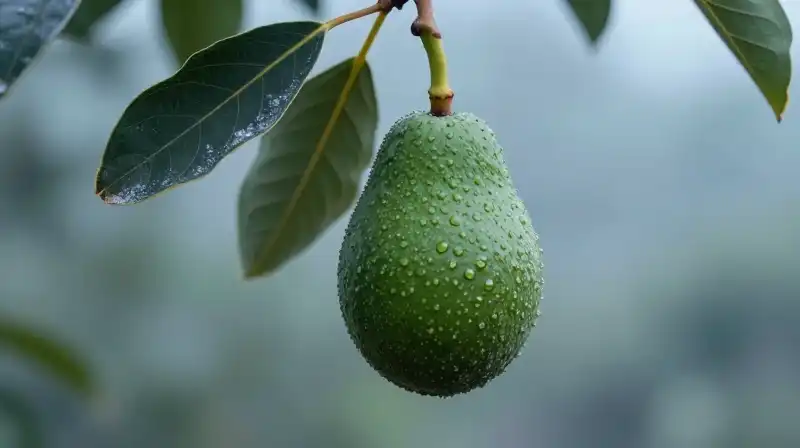
Selecting a cold-tolerant variety only addresses one part of the equation. Successful cultivation requires specific care during the growth phase, especially for younger trees.
Initial Growth and Lighting
Young Mexican avocado trees benefit significantly from a period of protection during their early years. They should be grown under partial shade initially. This allows the tree time to establish a strong root system and mature before it is exposed to the full, intense sun. Once established, they should transition to full sunlight to promote robust growth and fruit production.
Pollination Requirements
Avocado trees require cross-pollination to produce adequate fruit. For Mexican varieties, successful yield requires planting both ‘A’ and ‘B’ pollinator types. Ensure your orchard or garden includes a mix of these compatible trees to maximize reproductive success.
Avoiding Fatal Cultivation Errors
While Mexican avocados tolerate freezing temperatures, they are highly susceptible to damage and death from environmental stressors other than cold. Preventing these errors is crucial for the tree’s long-term survival.
Two critical pitfalls must be avoided:
- Flooding and Standing Water: Mexican varieties are exceptionally sensitive to root damage caused by standing water or prolonged flooding. Even brief periods of saturation can lead to root rot and subsequent tree death. Ensure excellent drainage in your planting beds.
- Incorrect Watering: Overwatering is a common killer. While trees need consistent moisture, they must also have the space to dry out completely between deep watering cycles.
Practical Synthesis: Making Your Selection
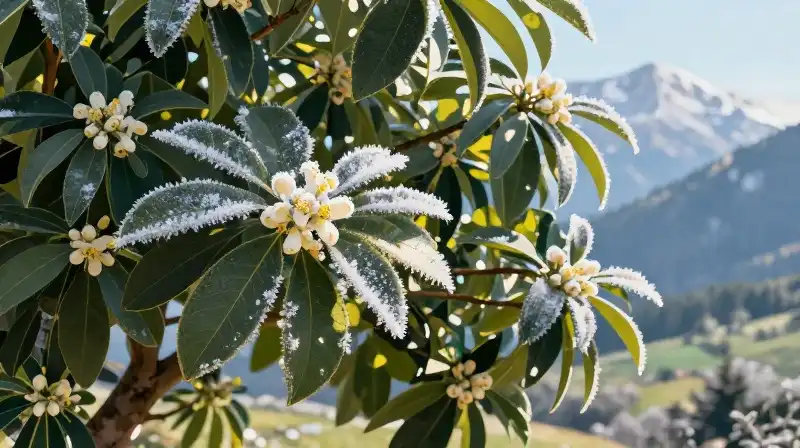
Choosing a frost hardy avocado tree requires balancing desirable fruit qualities with genetic survival capability. Use the following criteria to guide your decision:
| Priority | Criteria | Recommendation |
|---|---|---|
| Survival | Ability to withstand extreme cold. | Pure Mexican subspecies (e.g., Del Rio). |
| Growth | Initial need for moderate light. | Partial shade during early establishment. |
| Yield | Requirement for fruit production. | Plant complementary ‘A’ and ‘B’ pollinator types. |
| Maintenance | Risk of root system failure. | Ensure perfect drainage to prevent waterlogging. |
In conclusion, success with cold-hardy avocados depends on selecting a Mexican variety that matches your cold tolerance needs, followed by diligent care regarding drainage and pollination. The Mexican race provides the necessary genetic resilience, but the gardener provides the critical environmental protection.
How to Cultivate a Cold-Hardy Avocado Tree
Select a Cold-Tolerant Variety
Choose a Pure Mexican subspecies, such as Del Rio, as they possess the highest level of cold tolerance among naturally occurring varieties.
Manage Initial Growth and Lighting
Initially, grow young Mexican avocado trees under partial shade to allow time to establish a strong root system before exposure to full sun.
Transition to Full Sunlight
Once the tree is established, transition it to full sunlight to encourage robust growth and fruit production.
Ensure Adequate Pollination
To produce adequate fruit, ensure the garden includes a mix of 'A' and 'B' compatible pollinator types for cross-pollination.
Maintain Optimal Watering and Drainage
Ensure planting beds have excellent drainage to prevent root rot from standing water, and maintain consistent moisture while allowing the soil to dry out completely between deep watering cycles.
Related Articles