Navel Oranges: Characteristics, Uses, and Growing Guide

Introduction
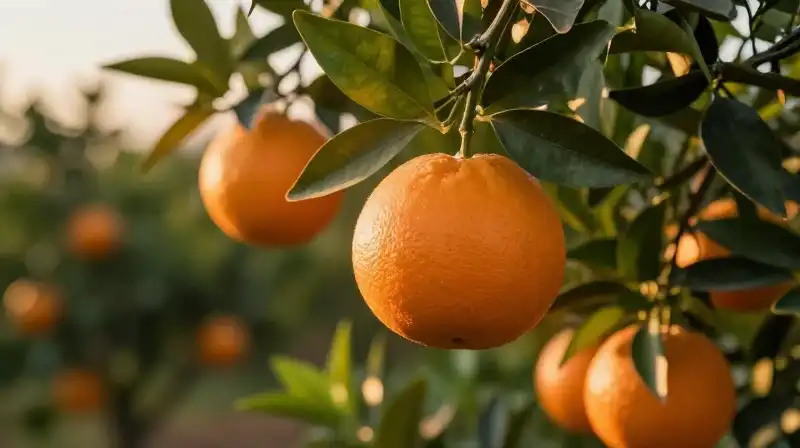
Navel oranges, a popular winter citrus variety, are recognized not only for their vibrant, thick, bright orange skin but also for their distinctive shape—a slight indentation on the rind that resembles a human navel. These fruits belong to the Citrus sinensis species. Unlike other types of oranges, navel oranges are bred for eating, prized for their sweet, tangy flavor and convenient, easy-to-peel rind. Whether you are purchasing fresh fruit for snacking or seeking to cultivate your own citrus grove, understanding the specific characteristics and cultivation needs of navel oranges is essential for maximizing both flavor and harvest.
Navel Orange Characteristics and Flavor Profile

The navel orange is defined by a combination of its physical attributes and taste. Genetically, the characteristic indentation is caused by a mutation leading to an undeveloped twin fruit during growth, ensuring the orange remains uniquely shaped. These oranges are typically seedless and contain 10 to 12 juicy sections.
Taste and Nutritional Value
In terms of flavor, navel oranges offer a balanced profile: sweet and tangy, but generally with low acidity. They avoid the sharp sourness found in some other citrus types. Nutritively, they are an excellent source of Vitamin C and provide dietary fiber, while remaining low in fat and negligible in protein.
Navel vs. Valencia: A Practical Comparison
A frequent point of confusion is the difference between navel oranges and the more commonly used Valencia oranges. Understanding this difference is crucial for both culinary and practical applications:
| Feature | Navel Orange | Valencia Orange |
|---|---|---|
| Primary Use | Eating (Fresh Consumption) | Juicing and Processing |
| Acidity/Flavor | Sweet, tangy, low acidity | Tart, high acidity |
| Key Compound Note | Contains limonin; can turn bitter when exposed to oxygen. | Generally used for liquid extraction. |
Due to the presence of limonene, a compound that can cause bitterness upon prolonged oxygen exposure, navel oranges are best consumed fresh rather than juiced or stored for long periods in the fridge.
Culinary Applications of Navel Oranges
The versatility of the navel orange allows it to be used in a wide variety of kitchen scenarios. While perfect for eating straight out of hand, their strong flavor makes them ideal for culinary purposes:
- Snacking and Dessert: They are a staple for direct consumption. The segments can also be used in fresh salads or baked goods.
- Flavoring: Their sweet and tart profile makes them perfect for flavoring marinades, glazes, and light sauces for poultry or pork.
- Baking: Dried or fresh segments work well in cakes, tarts, and crumbles, adding a bright, clean citrus note without overpowering the dish.
Growing and Cultivating Navel Orange Trees
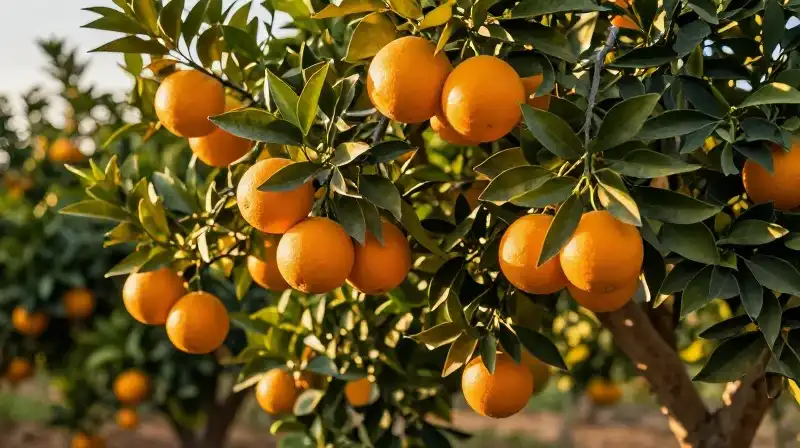
For those wishing to grow navel orange trees, specific care is required to ensure robust health and a plentiful harvest. These trees require a warm climate and specific soil conditions.
Sunlight and Location Requirements
Optimal growth demands ample light. Navel orange trees need 6 to 8 hours of direct, daily sunlight. They thrive in locations that receive consistent warmth and sun, which is critical for fruit production. Ensure the growing area allows for good air circulation.
Soil and Planting Guidelines
The soil is one of the most critical factors for citrus health. Navel orange plants require well-draining soil formulated specifically for acid-loving plants:
- Drainage: The pot used for planting must be significantly larger than the nursery container and must have multiple drainage holes at the base.
- Medium: Utilize a potting mix that is rich and specifically designed for acid-loving citrus. This prevents root stagnation and nutrient buildup.
Watering and Fertilizing Schedule
A common mistake with citrus is overwatering. Proper watering technique involves:
- Frequency: Water the tree once every few weeks.
- Technique: Allow the top 2 to 3 inches of soil to dry completely before watering again. Ensure the water escapes through the bottom drainage holes to prevent root rot.
During the active growth seasons of warm spring and summer, apply a citrus-specific fertilizer every six weeks. In the cooler fall and winter months, reduce feeding to once every 2 to 3 months to prevent excessive growth at the expense of fruit quality.
Pruning and Tree Maintenance
Maintaining a healthy, productive tree requires regular upkeep. Pruning is necessary to improve light penetration, remove dead branches, and eliminate crossing limbs. Additionally, proactively remove suckers—the shoots that grow from the base of the trunk—as these divert nutrients away from the main tree structure and can inhibit fruit development.
While navel oranges are self-fertile, indoor plants may benefit from daily manual pollination using a fine-tipped brush, though this is often optional for healthy outdoor specimens.
Storage and Longevity
Because navel oranges are harvested during colder months, proper storage is essential to maintain their flavor and texture. The thick rind makes them easy to store, but cold temperatures can affect quality:
- Ideal Storage: Store navel oranges in a cool, dry place, such as the crisper drawer of a refrigerator.
- Shelf Life: Under proper refrigerated conditions, the fruit typically maintains peak freshness for three to four weeks.
Critical Factors for Navel Orange Success
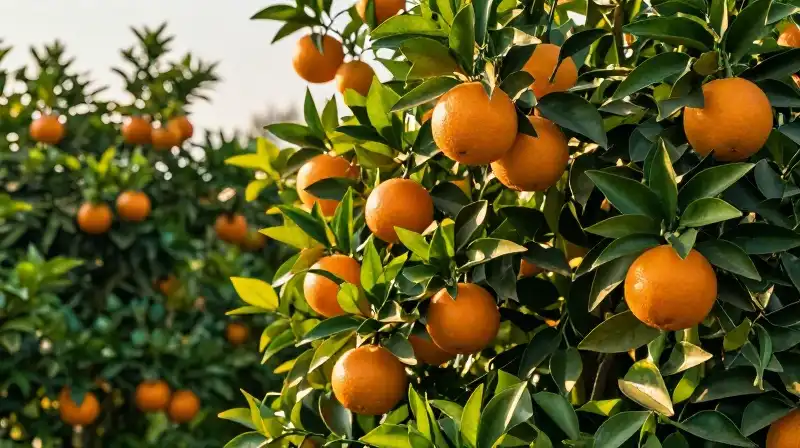
To ensure optimal results, whether you are consuming or growing navel oranges, prioritize these key considerations:
- Prioritize Flavor Over Juicing: Understand the distinct flavor profile and use the low-acidity navel orange for fresh consumption rather than high-volume juice production.
- Respect the Soil: Always use well-draining, acidic soil specifically formulated for citrus plants. Do not use standard potting mixes.
- Manage Watering: The most frequent error in citrus care is overwatering. Ensure the soil is fully dry before reintroducing water to the plant.
How to Grow and Cultivate Navel Orange Trees
Location and Sunlight Selection
Choose a location that provides 6 to 8 hours of direct, daily sunlight, ensuring the area allows for good air circulation and consistent warmth.
Plant Preparation
Use a pot that is significantly larger than the nursery container and must have multiple drainage holes at the base.
Soil Selection
Utilize a potting mix that is rich and specifically designed for acid-loving citrus plants to prevent root stagnation and nutrient buildup.
Watering Technique
Water the tree only once every few weeks, allowing the top 2 to 3 inches of soil to dry completely before ensuring water escapes through the bottom drainage holes.
Fertilizing Schedule
During active growth (spring and summer), apply a citrus-specific fertilizer every six weeks; reduce feeding to once every 2 to 3 months in cooler fall and winter months.
Tree Pruning and Maintenance
Prune the tree regularly to improve light penetration, remove dead branches, and eliminate crossing limbs.
Sucker Removal
Proactively remove suckers—the shoots growing from the base of the trunk—to prevent nutrient diversion and inhibition of fruit development.
Optimal Fruit Storage
Store the harvested navel oranges in a cool, dry place, such as a crisper drawer of a refrigerator, to maintain peak flavor and texture for 3 to 4 weeks.
Related Articles