Chocolate Mint: Growing, Uses, and Cultivation Tips

Introduction
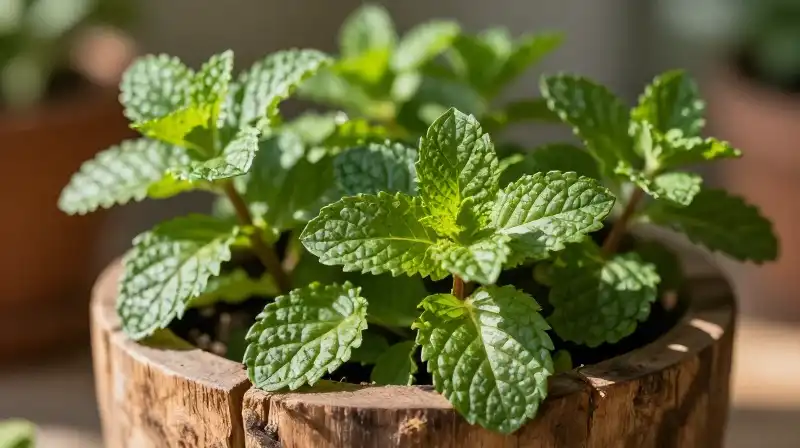
Chocolate Mint is an ornamental herb prized for its complex, sweet aroma and refreshing undertones, often mimicking the flavor of traditional after-dinner mint. However, it is crucial to understand that this mint does not contain actual cocoa; rather, it is a carefully cultivated hybrid of peppermint and spearmint, designed to offer a warm, sweet counterpoint to the typical menthol punch. For gardeners seeking a unique culinary ingredient, Chocolate Mint offers versatility. If you are considering adding this herb to your garden or kitchen, a foundational understanding of its fast growth habits and specialized cultivation needs is essential for success.
Understanding Chocolate Mint Characteristics
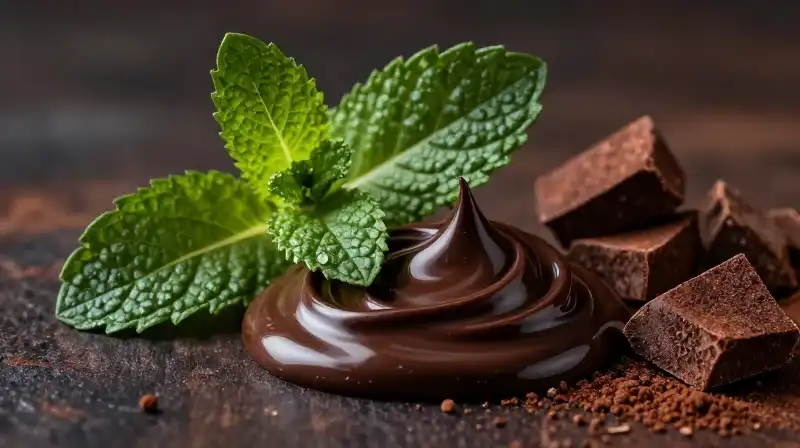
Botanically, Chocolate Mint is a sterile peppermint hybrid created by crossing watermint and spearmint. Because of this hybrid nature, it possesses a distinct layered flavor profile: a strong peppermint base softened by a sweet, warming undertone. While it is often associated with confectionery, its primary use is as a potent, aromatic flavor enhancer. The plant is chosen by gardeners for its ability to thrive in sun and its aggressive growth, making it both a delightful specimen and a powerful, spreading groundcover.
The plant’s unique scent is concentrated in the leaves, which are suitable for infusion. Its culinary appeal lies in its ability to elevate both sweet and savory dishes, extending beyond simple beverages into complex dessert garnishes and even specialized breakfast preparations.
Cultivation and Optimal Growing Conditions
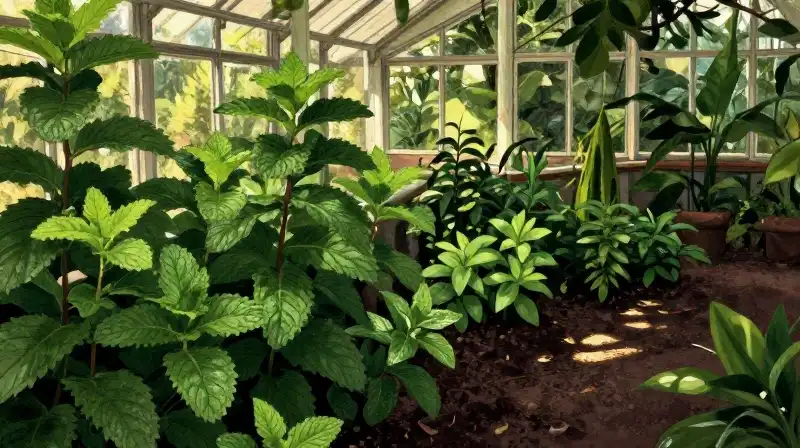
Successfully cultivating Chocolate Mint relies heavily on maximizing light exposure and managing moisture. It is a vigorous grower that demands specific attention to its environment.
- Sunlight: The plant requires at least five to six hours of direct sunlight daily. Consistent, intense sunlight not only promotes robust growth but also intensifies both the color and the desired flavor profile of the leaves.
- Soil and Watering: Chocolate Mint prefers consistently moist soil but must be allowed to drain properly to prevent root rot. It is tolerant of a wide pH range, from acidic to alkaline, which offers flexibility for various garden types.
- Temperature: As a mint variety, it thrives in temperate climates and handles the warmth necessary for rapid growth.
Controlling the Aggressive Growth Habit
Chocolate Mint is notorious for its fast, aggressive spread. It utilizes runners and rhizome offshoots to colonize large areas rapidly. This characteristic, while beneficial for ground coverage, requires careful horticultural planning.
Containment is non-negotiable. If growing in a dedicated garden bed, use sturdy physical barriers to contain the spread. For pot gardening, choose containers large enough to accommodate its horizontal expansion and ensure they are placed where their spread can be controlled.
Due to its sterile hybrid status, Chocolate Mint cannot be successfully propagated from seed. To propagate your own supply, you must use methods like:
- Cutting and Rooting
- Layering
- Plant Division (separating established clumps)
- Using Runners
These methods allow you to maintain the integrity of the desired plant characteristics, ensuring true Chocolate Mint propagation.
Harvesting and Culinary Applications
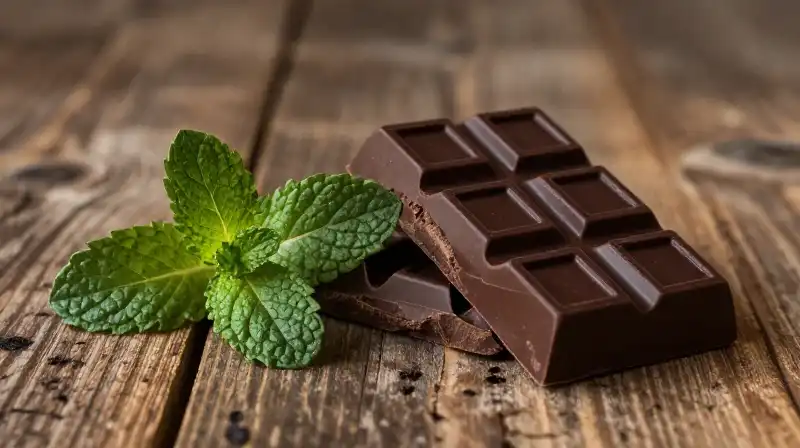
The flavor and color intensity of the Chocolate Mint leaves increase with maturity and proper sunlight exposure. Knowing when and how to harvest is key to maximizing flavor.
Harvesting Guidelines:
- Timing: Begin harvesting once the plant has reached approximately four to five inches in height.
- Limit: To ensure the plant maintains its vigor, limit any single harvest to no more than two-thirds of the total plant mass at one time.
Culinary Uses:
The leaves offer robust flavor across multiple applications:
- Beverages: Infusing fresh or dried leaves in black tea or incorporating them into hot chocolate and cocktails.
- Desserts: Used as a garnish or finely chopped into creamy dessert bases.
- Savory Dishes: Incorporating the leaves into salads or certain savory preparations where a strong, sweet herbaceous note is desired.
- Preservation: Leaves can be utilized fresh, dried, or frozen to maintain their potent aroma and flavor long-term.
Beyond food, Chocolate Mint can be used in potpourri or applied as a natural deterrent against common pests such as mice, ants, and mosquitoes.
Preventing Pests and Disease
While generally robust, Chocolate Mint can be susceptible to common issues found in the Mint family. Vigilance is required to maintain a healthy plant.
Common challenges include:
- Pests: Caterpillars and spider mites are frequent invaders. Regular inspection of the leaf undersides is recommended.
- Diseases: Mint rust and powdery mildew can appear, particularly in overly humid or shaded conditions.
Monitoring for these issues and ensuring proper airflow around the plant is the best preventative strategy. Pruning and cleaning up affected leaves early can mitigate the spread of disease.
Practical Considerations for Gardeners
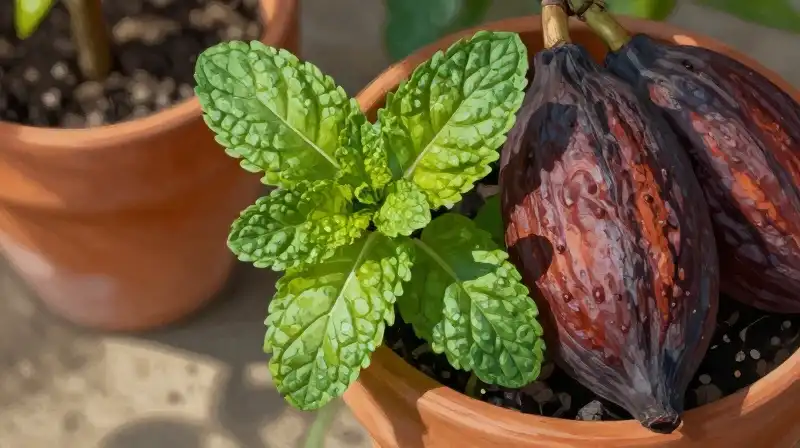
Before committing to growing Chocolate Mint, several practical factors should be weighed. Unlike many culinary herbs, this plant has specific maintenance requirements that dictate its optimal placement in a garden or container.
Decision Criteria for Placement:
| Scenario | Best Practice | Reason |
|---|---|---|
| Potted Plants (Patio/Balcony) | Use deep containers and ensure mandatory containment (potting). | Controls the aggressive horizontal spread, making it manageable in small spaces. |
| Garden Beds | Implement a strong physical barrier (e.g., plastic edging, brick wall) around the planting area. | Prevents the runners and rhizomes from overtaking surrounding plants. |
| Shady Spots | Limit planting or accept reduced vigor. | Requires a minimum of five to six hours of direct sunlight to maintain optimal flavor and color intensity. |
In summary, while Chocolate Mint is a flavorful and visually appealing plant, its utility depends on treating it as a high-maintenance, fast-spreading herb. By ensuring robust sun exposure, maintaining controlled moisture, and strictly containing its growth, you can successfully cultivate this unique culinary gem.
How to Harvest Chocolate Mint
Determine Timing
Begin harvesting once the plant has reached approximately four to five inches in height.
Limit Harvest Amount
To ensure the plant maintains its vigor, limit any single harvest to no more than two-thirds of the total plant mass at one time.
Related Articles