Edible Kale Flowers: Recipes, Uses, and How to Harvest the Buds

Introduction
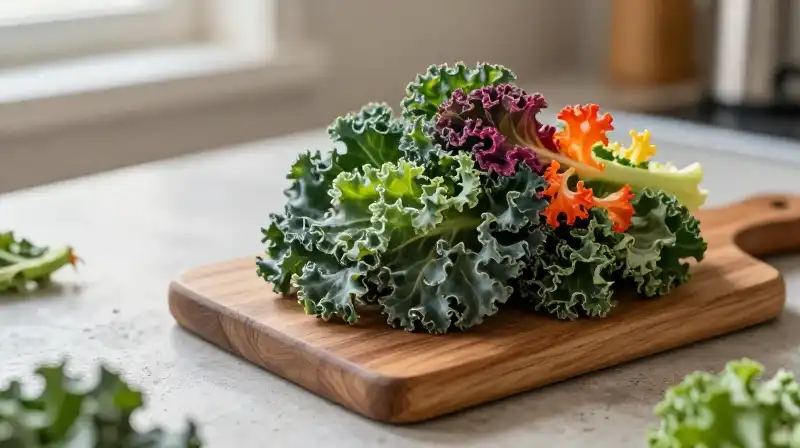
When kale begins to bolt, the plant shifts its energy away from foliage and starts producing flower buds. Unlike regular green kale, these emerging buds—often called kale flowers—become a tender, sweet, and highly nutritious edible component. Consuming kale flowers is a simple way to utilize the late-season bounty of your garden or find a unique, flavorful garnish. If you are wondering what you can do with kale flowers or how to safely harvest them, this guide covers everything from identifying the edible stems to incorporating these buds into recipes, ensuring your harvest is as delicious as it is simple.
Understanding Edible Kale Flowers
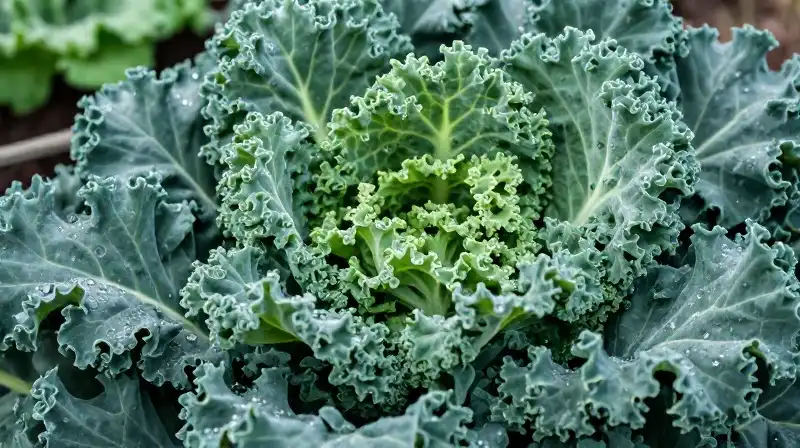
Kale flowers are defined as the unopened flower heads that develop when a mature kale plant enters its flowering phase. This process, or “bolting,” signals that the plant is nearing the end of its productive cycle and is preparing for seed production. While the leaves of mature kale can become fibrous and bitter, the flowers provide a superior texture—soft and delicate—and a naturally sweeter flavor that benefits from a cold winter maturation.
It is important to know that all parts of the kale plant, including the flowers and stems, are non-toxic. The “Kale White Bulk Flower” or similar cultivars produce lush, rosette blooms that possess a subtle, desirable sweetness. The edible portion is technically part of the larger Brassica family, alongside staples like broccoli and cauliflower.
How to Safely Harvest Kale Flower Buds
A successful harvest starts with timing. Kale buds typically emerge during late spring or early summer. Harvesting them early ensures they are at their most tender. The process itself is straightforward and doesn’t require specialized tools.
Preparation steps:
- Selection: Look for buds on mature plants.
- Harvesting: Gently pinch the stem just below the cluster of buds you wish to harvest.
- Cleaning: Give the harvested flowers a quick rinse in clean water to remove any dirt.
Unlike some vegetables, the stems of kale flowers are generally soft and edible, meaning you do not need to separate the flower head from the supporting stem. However, if you prefer a purely floral garnish, you can detach the buds entirely.
Culinary Uses and Recipes
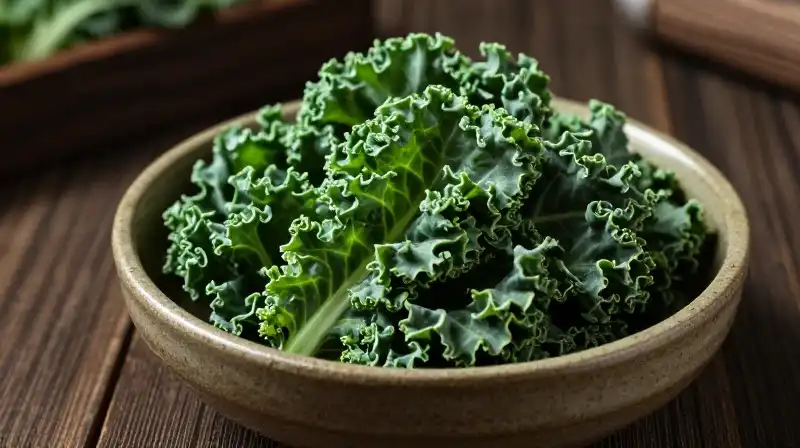
The primary question regarding kale flowers is what to do with them, and the answer is diverse. Their unique texture and mild, sweet taste make them versatile additions to both savory dishes and fresh garnishes. Because they are quite delicate, they pair well with robust flavors.
Creative culinary applications for kale flowers include:
- Raw Garnish: Lightly rinsed buds can be sprinkled over fresh salads, bowls of roasted vegetables, or used as a decorative garnish for pasta to add a delicate, floral crunch.
- Stir-Fries: Incorporate the flowers into Asian-style stir-fries. Their structure holds up well to quick high-heat cooking.
- Roasted Vegetables: Tossing kale flower stems and buds with olive oil and roasting them alongside other root vegetables enhances their natural sweetness.
- Pasta: They can be lightly steamed or sautéed and folded into pasta dishes, adding a subtle, earthy flavor compared to standard leaf kale.
Harvest Timing and Extending Your Crop
It is a common misconception that cutting off the flower will immediately stop the bolting process. In reality, once a kale plant is at the stage of flowering, it is focused on reproductive maturity and seed production. Removing the buds does not halt this natural life cycle.
However, practical gardening techniques can prolong the enjoyment of the blooms. Pinching back new buds as they form during the flowering stage can potentially encourage a continuous harvest of edible blooms rather than a single, large event. This strategy helps you maximize the yield of these tender, sweet portions before the plant commits fully to seeding.
Practical Information and Safety Considerations
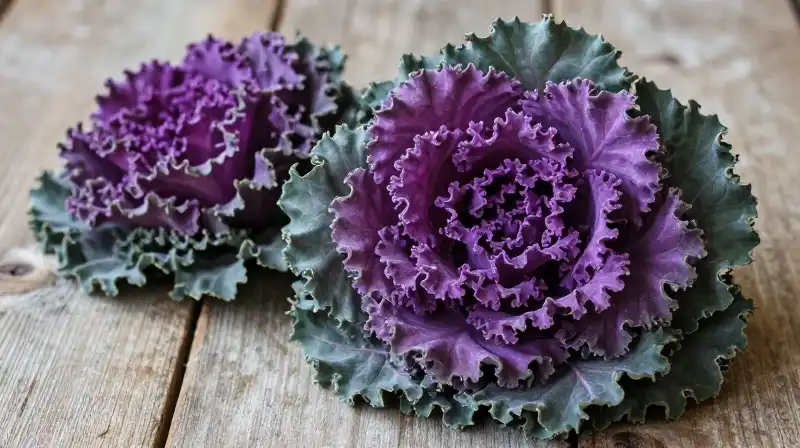
Kale flowers are a safe, edible crop, but they have specific considerations regarding their botanical context. As part of the Brassica family, it is an excellent nutritional addition. When sourcing them, whether you are buying from a farmer or harvesting from your own garden, ensure the plants are free from pests or disease. Because you are consuming the entire flower structure, cleanliness is paramount.
Quick Troubleshooting Guide:
- Is it safe to eat? Yes, all kale flowers are non-toxic and safe raw or cooked.
- Does cutting them stop the flower? No, the plant is already in the bolting phase and will proceed with seed production.
- Can I use the stems? Yes, the stems of the buds are usually soft and perfectly edible.
Prioritizing Your Kale Flower Harvest
To get the most out of kale flowers, prioritize freshness and timing. Harvest the buds when they are small and tightly closed; this is when they offer the most tender texture and the clearest sweet flavor. Remember that these flowers are a beautiful, nutrient-dense substitute for the fibrous leaves that become bitter as the kale matures.
When incorporating them into recipes, treat them as a delicate addition—not a replacement for hearty kale. Use them for bursts of sweetness and texture. If you are looking for ways to cultivate them yourself, ensure you are growing a suitable cultivar and harvesting early to enjoy the superior culinary experience before the plants fully transition into seed producers.
Explore more: The Three Horns of Odin: Mythological Origins and Historical
Frequently Asked Questions
What can I do with kale flowers?
Kale flowers are versatile additions to savory dishes and fresh garnishes, suitable for incorporation into Asian-style stir-fries, roasting alongside other root vegetables, or lightly steaming and folding into pasta dishes.
How to Safely Harvest Kale Flower Buds
Selection
Look for buds on mature plants.
Harvesting
Gently pinch the stem just below the cluster of buds you wish to harvest.
Cleaning
Give the harvested flowers a quick rinse in clean water to remove any dirt.
Related Articles