How to Plant Cascading Flowers: Care and Design Secrets

Introduction
Cascading flowers are a premier design element for adding dynamic movement and soft, lush texture to the facade of a home. When expertly utilized in window boxes, hanging baskets, and containers, these trailing species transform static architecture into a vibrant, living landscape. However, achieving a healthy, consistently blooming display requires more than simply picking beautiful plants. Success hinges on carefully matching the specific growth requirements of the species with the container environment. This guide outlines the crucial design, soil, and care secrets necessary to ensure your cascading display thrives, offering actionable advice for transforming any exterior space into a continuous bloom.
Choosing the Right Cascading Flowers for Your Sunlight
Before planting, the single most important decision is selecting varieties suited to your available light. Different species thrive under vastly different conditions, and misplacement is the most common reason for failure. You need to identify whether your placement receives full sun (six or more hours of direct sunlight) or if it is in partial to full shade.
High-Sun Varieties for Window Boxes
If your window box or hanging basket receives intense, direct sunlight, you need robust sun-loving plants that can handle heat and drought. These options are excellent for achieving that vibrant, continuous color throughout the warm seasons.
- Petunias: A classic choice, offering intense color and a highly reliable cascading habit. They are excellent for filling large areas.
- Surfinia: Often preferred over standard petunias by gardeners, Surfinia tends to be more compact and prolific, making them perfect for achieving a dense, overflowing look.
- Trailing Verbena: Known for being highly drought-tolerant and resilient, making them ideal for sunny spots that might bake in the afternoon heat.
Cool-Toned Options for Partial Shade
For areas that receive bright, indirect light or are protected from the harshest afternoon sun, certain varieties thrive while offering softer color palettes. These are ideal when you want to introduce subtle textures rather than intense bursts of color.
- Lobelia: A staple in cool-toned displays, Lobelia offers delicate, fine texture and is generally more tolerant of cooler temperatures than sun-lovers.
Designing Your Container: The Foundation of Success
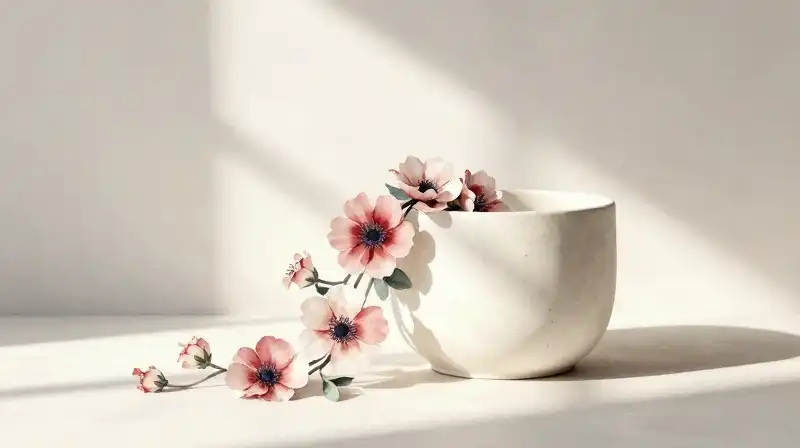
Cascading plants, while beautiful, have distinct physical needs—specifically regarding root space and drainage. Overlooking the container dimensions and soil quality is the fastest way to trigger root rot and stunt growth. Proper preparation is mandatory for long-term health.
Optimizing Container Depth and Drainage
Trailing plants have relatively shallow root systems. If the container is too shallow, the plant will become root-bound quickly, leading to stunted growth and premature flowering. To prevent this:
- Depth Requirement: Ensure the container depth is sufficient, ideally allowing for at least 30–40 cm (12–16 inches) of growing space for the roots to fully develop and accommodate moisture retention.
- Soil Composition: Because these plants are prone to moisture retention in poor soil, the growing medium must be highly draining. Use a high-quality potting mix that is amended with perlite, horticultural sand, or grit. These amendments create air pockets, allowing excess water to flow rapidly out of the container.
Structuring the Display
For a professional, multi-layered window box, adopt a structural design principle: place plants that grow upright and vertically in the back of the box, allowing the more delicate, cascading species to spill over the front edges. This strategy provides necessary structure and height while emphasizing the desired trailing effect.
Maintenance Secrets for Continuous Blooming
Maintaining a superb cascading display is an ongoing process that requires consistent intervention. Regular maintenance ensures that the plant directs its energy into new blooms rather than setting seed or sustaining foliage.
Strategic Feeding and Watering
Consistent nourishment is key, especially during the peak growing season. Because container plants are confined, they quickly deplete the nutrients in their soil.
- Fertilization: Use a high-potassium, liquid fertilizer applied regularly (typically every 2–4 weeks, following product instructions). Potassium supports strong flowering and overall plant vigor.
- Watering Discipline: Water deeply and regularly, but precision is vital. Allow the top inch of soil to dry out before watering again. Over-watering is the primary cause of root rot in these types of containers. Always check the soil before committing to a watering session.
The Practice of Deadheading
Deadheading—the process of removing spent, faded flowers—is perhaps the most critical maintenance step for encouraging prolific blooming. By removing the spent bloom, you stop the plant from diverting its energy into seed production and redirect that energy back into creating more flowers, extending the lifespan of your colorful display.
Timing Your Planting for Seasonal Success
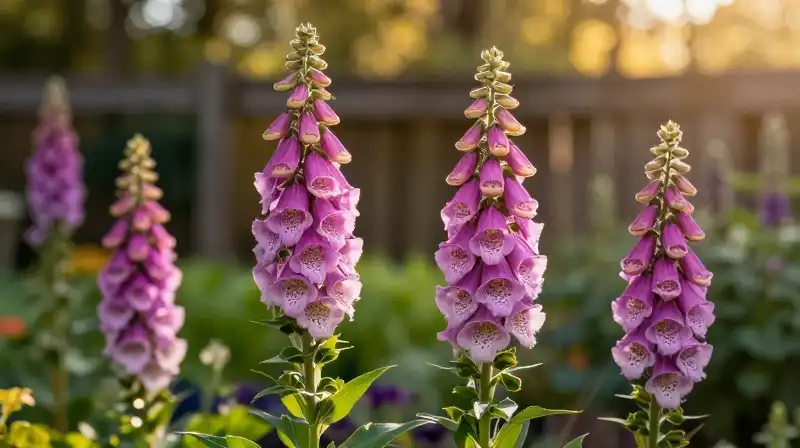
The ideal time to begin planting depends on the climate and the specific types of plants you choose. Understanding this timing prevents loss due to unexpected frost or missed opportunities for early-season color.
In temperate climates, the best planting window is generally late spring after the last risk of frost has passed. However, for a diverse, continuous display, consider incorporating cool-weather varieties. These can be successfully planted in the autumn, providing sustained interest as the weather turns cooler.
Summary of Cascading Display Priorities
To achieve a stunning, low-maintenance display of cascading flowers, your focus should remain on these critical variables: light compatibility, container depth, and drainage integrity. Never compromise on soil quality; always choose a drainage-optimized mix. By layering your design with upright structural plants and trailing elements, and by adhering to strict maintenance habits—regular deadheading and measured watering—your window box will provide a lush, colorful accent that continues to improve with each season.
Explore more: Dia de los Muertos Skull Designs: Symbols and Artistic Inspi
Frequently Asked Questions
What kind of flowers cascade?
Petunias, Surfinia, Trailing Verbena, and Lobelia are mentioned in the article as varieties that offer a cascading or trailing habit for container displays.
How to Create and Maintain a Cascading Flower Display
Identify Sunlight and Select Varieties
Determine if the placement receives full sun (six or more hours of direct sunlight) or partial shade. Choose robust sun-loving plants like Petunias or Trailing Verbena for high-sun areas, and cool-toned options like Lobelia for partial shade.
Prepare the Container for Success
Ensure the container is deep enough (ideally 30–40 cm or 12–16 inches) and uses a high-quality potting mix amended with perlite, horticultural sand, or grit to ensure excellent drainage.
Structure the Display
Adopt a layered design by placing upright and vertical plants in the back of the container, allowing delicate cascading species to spill over the front edges.
Plant During the Proper Seasonal Time
Plant in temperate climates generally in late spring after the last risk of frost, or incorporate cool-weather varieties in the autumn for sustained interest.
Apply Regular Fertilization
Use a high-potassium, liquid fertilizer regularly (typically every 2–4 weeks, following product instructions) to support strong flowering and plant vigor.
Maintain Watering Discipline
Water deeply and regularly, but only when the top inch of soil dries out. Avoid over-watering at all costs to prevent root rot.
Deadhead Regularly
Remove spent, faded flowers (deadheading) to stop the plant from diverting energy into seed production and redirect it back into creating new blooms.
Related Articles