How to Grow Stevia Seeds: Indoor and Outdoor Cultivation

Introduction
Growing your own stevia plants from seeds is a rewarding endeavor that provides a natural, potent food ingredient. While successful cultivation is possible, it demands specific environmental controls, as stevia seeds naturally exhibit a low germination rate and require precise conditions to thrive. This guide outlines the necessary steps for starting stevia seeds, differentiating between indoor year-round growth and outdoor cultivation, and provides the horticultural guidance needed to achieve a mature, productive plant.
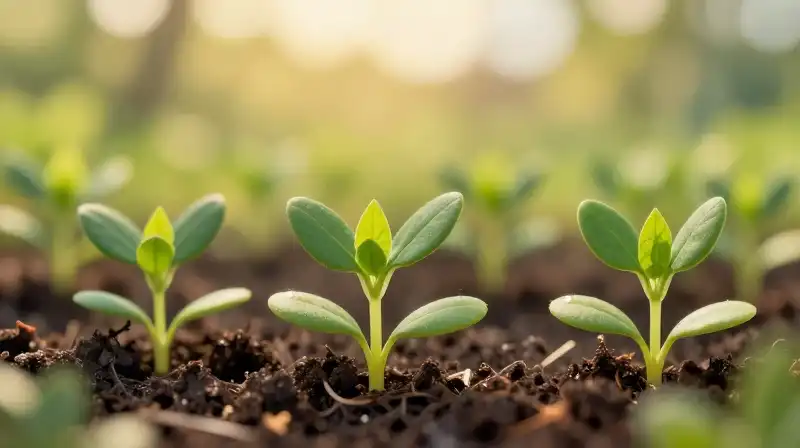
Stevia Germination: Starting the Process
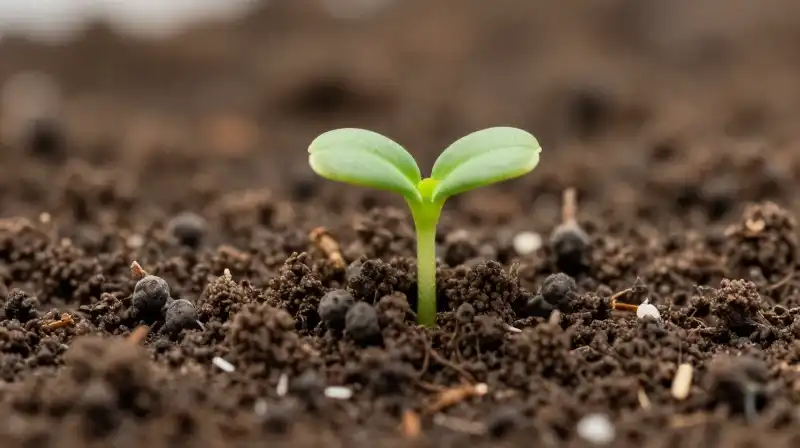 The initial success of your stevia crop hinges on creating an optimal environment for the seeds to sprout. Stevia is a sensitive grower, and simply planting the seeds in any soil will likely result in failure.
Pre-Planting Seed Viability
Ensure your stevia seeds are from a reputable source, as product integrity is crucial for high viability. If you plan to purchase stevia seeds for planting or *organic stevia seeds*, verifying the supplier’s quality standards is a practical first step.
Optimizing Germination Conditions
To overcome the low natural germination rate, you must provide consistent warmth, moisture, and light from the start.
- Light Exposure: Stevia requires exposure to light to sprout successfully. This is non-negotiable; provide constant light through your germination phase.
- Temperature and Moisture: Maintain consistently warm and moist soil conditions. Optimal temperature control is key during the early stages.
- Process: Sow the seeds, keep the soil consistently damp but not waterlogged, and ensure the tray receives light. Monitoring these conditions closely is necessary to maximize initial sprouting rates.
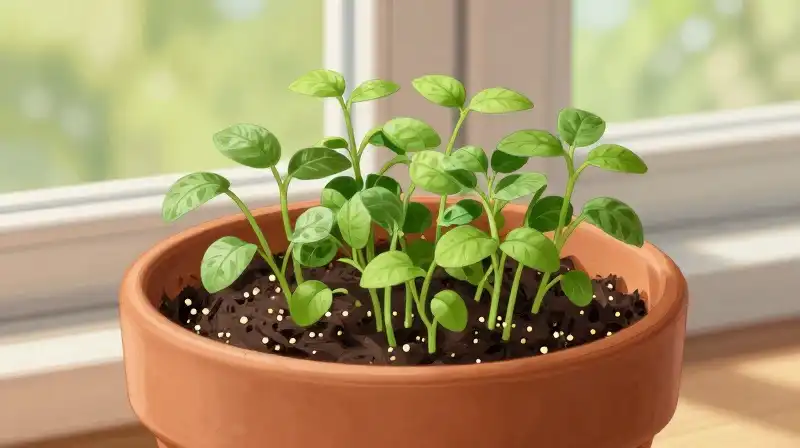
Year-Round Indoor Growth Strategy
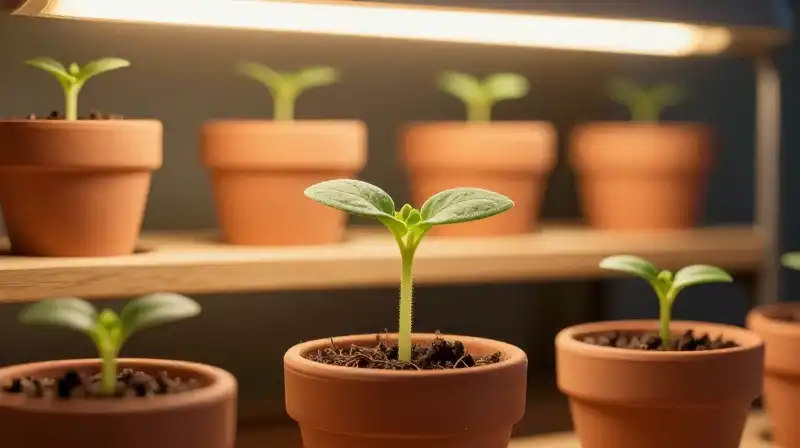 If you wish to grow stevia outside of a tropical climate, indoor cultivation is the most reliable method. However, this requires an understanding of the plant’s substantial light requirements to prevent etiolation (weak, leggy growth).
The Critical Role of Light
Indoor growth demands sustained, intense light. Stevia needs 12 to 14 hours of light daily to flourish and produce foliage efficiently. Relying solely on ambient light from a south-facing window may not be sufficient, especially in winter.
Setup Recommendations
To guarantee year-round growth, utilize specialized lighting.
- Grow Lights: Employ high-quality LED or fluorescent grow lights positioned close enough to provide consistent, strong light throughout the 14-hour cycle.
- Container Use: Utilize containers suitable for indoor plant maintenance. Proper drainage is essential to prevent root rot, a common error in indoor cultivation.
- Climate Control: Maintain indoor temperatures conducive to growth, mimicking the warmth required for outdoor success.
Outdoor Cultivation and Climate Limitations
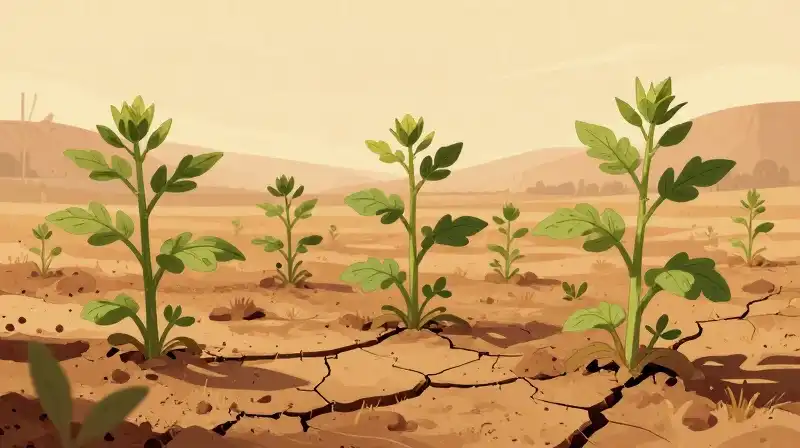 For gardeners in suitable regions, outdoor planting offers a more traditional growing experience. However, stevia’s sensitivity to cold dictates whether it should be treated as an annual or a perennial.
Tender Perennial Status
Stevia is classified as a tender perennial in USDA zones 10–11. This means it can survive in these warm climates but will not withstand typical frost or prolonged cold.
Adapting to Cooler Climates
If your area falls outside of the optimal USDA zones, stevia must be managed as an annual. It cannot survive frost and requires protection or careful timing to ensure it matures and flowers before the first freeze. Planning your planting around seasonal changes is vital for success in temperate zones.
Answering Key Cultivation Questions
Can stevia be grown from seeds?
Yes, stevia can be successfully grown from seeds. Successful growth depends entirely on providing the specific environmental conditions it needs, particularly consistent light and warmth during germination and maturity. While the natural germination rate is low, adherence to precise horticultural guidelines ensures successful establishment.
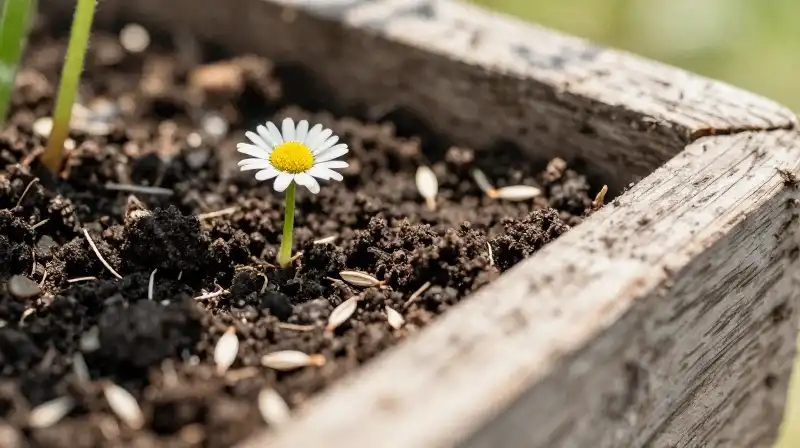
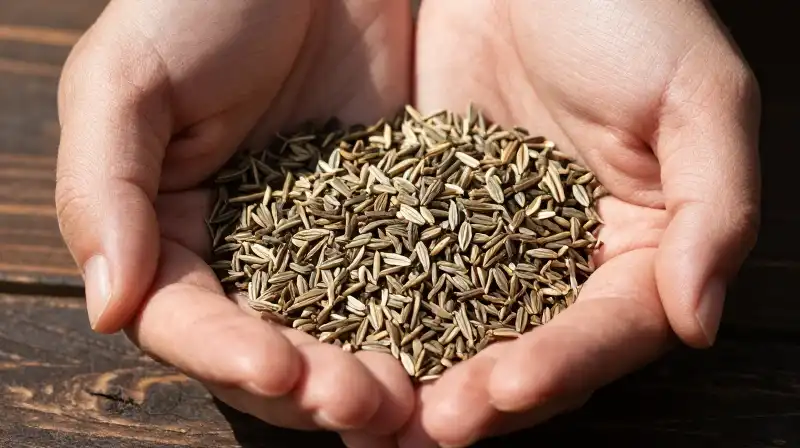
What do stevia seeds look like?
Stevia seeds are small and typically appear as standard herb seeds, though specific characteristics can vary by variety. Regardless of appearance, high-quality seeds from reliable suppliers provide the best chance for successful germination and plant vigor.
Harvesting and Plant Maintenance
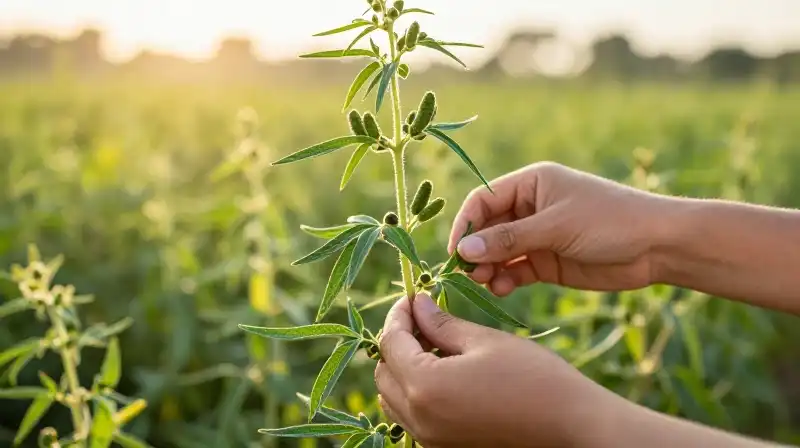 The primary goal of growing stevia is the production of its foliage, which is used as a natural food ingredient.
Foliage Harvesting
Once the stevia plant has established itself and is actively producing leaves, it is time to harvest. Traditional use involves gathering the fresh leaves. Harvesting the leaves when they are mature ensures the best flavor and concentration of compounds.
Ongoing Care
Continued successful growth requires consistent care:
- Feeding: Regular fertilization, tailored to vegetative growth, helps maintain robust leaf production.
- Pruning: Pruning can encourage bushier growth and more consistent foliage availability.
- Pest Management: Monitor the plants regularly for common pests and intervene promptly using organic methods to maintain the quality of your herb.
Practical Guidance for Selection and Success
 To achieve a robust yield, the cultivation approach must match your local climate and desired growth duration.
| Growth Scenario | Primary Requirement | Key Challenge | Best For |
|---|---|---|---|
| Indoor (Year-Round) | 12–14 hours of artificial light | Sustaining high light intensity | Temperate or cool climates |
| Outdoor (Warm Climate) | USDA Zones 10–11 | Managing high heat | Warm, frost-free environments |
| Outdoor (Cool Climate) | Seasonal timing | Frost prevention/short growing window | Temperate seasonal gardening |
| By correctly assessing your growing environment and adhering strictly to the light and moisture requirements, you can ensure the successful transition of stevia seeds into a productive, natural food source. Always prioritize quality seeds and appropriate horticultural conditions over haste. |
Frequently Asked Questions
Can stevia be grown from seeds?
Yes, stevia can be successfully grown from seeds, but it requires specific environmental conditions to succeed. Successful growth depends on providing consistent light and warmth, as the natural germination rate is low.
Related Articles