Growing Magnolia from Seed: Tips for Successful Germination

Introduction
> Growing Magnolia from seed is not a quick project; it is a long-term commitment that requires overcoming the seed’s natural dormancy. The primary challenge in successful germination is not planting, but ensuring the seeds undergo proper physiological preparation—a process that simulates the required winter conditions. For those interested in acquiring magnolia seeds, successful sprouting relies entirely on precise pre-planting treatments, specifically a thorough cleaning process followed by a period of cold stratification. If you are aiming for a mature, flowering tree, understanding the multi-stage nature of propagation is the first essential step. > >
Preparing the Magnolia Seeds: Cleaning and Scarification
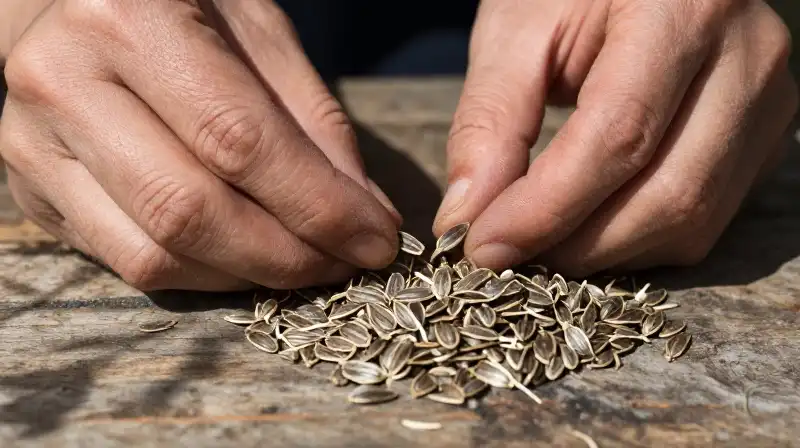 > Before the seeds can respond to environmental cues, they must be prepared manually. The raw seeds are often encased in a fleshy, contrasting fruit pulp that must be entirely removed, as this pulp can interfere with the germination process. Furthermore, the seed coat itself often requires softening to allow the embryo to sprout. This initial preparation is divided into two steps: cleaning and scarification. > >
Manual Cleaning and Soaking
> The seeds, which are typically jet black and hard, require careful separation from any surrounding pulp. A common and effective method is a 24-hour water soak. This process serves a dual purpose: it allows the excess, citrus-scented fruit pulp to soften and be removed, and it initiates the process of scarification. > >
The Role of Scarification
> > Scarification is the term for partially breaking down the seed coat. By soaking the seeds for 24 hours in warm water, you are beginning this process. A thin, weakened seed coat allows water and oxygen to penetrate more easily once the seeds are planted, significantly boosting the chances of successful germination compared to planting them in their original, intact state. > >
Breaking Dormancy: Cold Stratification
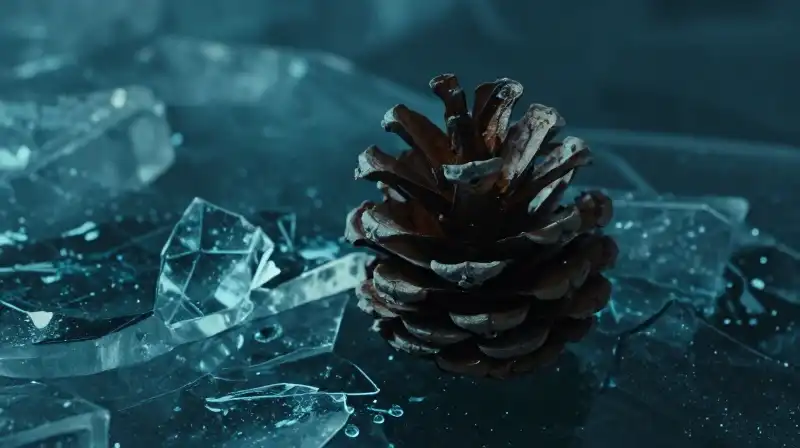 > > Even after cleaning, magnolia seeds remain dormant. They require a sustained cold period, a process known as stratification, which mimics the seasonal change that triggers sprouting in nature. This crucial period must last approximately 120 days before the seeds are ready for planting. > >
Stratification Method 1: Refrigeration
> > For controlled indoor methods, you can store the cleaned seeds in a refrigerator. To maintain necessary moisture and simulate natural conditions, place the seeds within a medium such as moist compost or vermiculite. The seeds should remain in this cool, moist environment for the full three-month duration. > >
Stratification Method 2: Outdoor Exposure
> > An alternative, more natural approach is to sow the seeds directly in a medium, such as sandy compost, and allow them to remain outdoors throughout the winter. This method utilizes the natural temperature fluctuations and moisture of the environment to break the internal dormancy. > >
Planting and Long-Term Growth
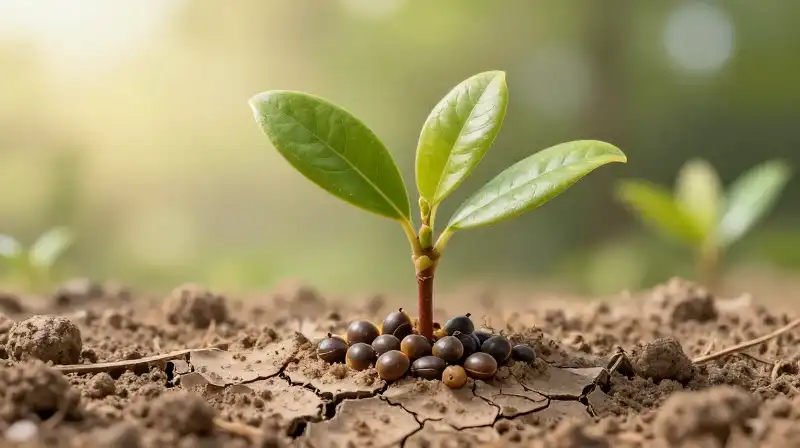 > > Once the stratification period is complete, the seeds are ready to be planted. Proper planting technique is critical for a strong start. > >
Sowing the Seeds
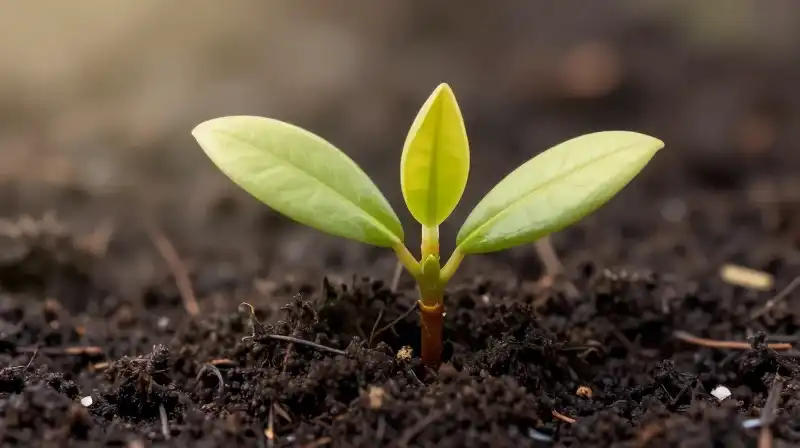
> > After preparation, sow the seeds individually into pots filled with warm, nutrient-rich compost. Ensure the seeds are planted 1/4 inch deep. After sowing, firmly tamp the soil and apply a light mulch to conserve moisture and regulate soil temperature. > >
Growing Expectations and Reality
> > Growing Magnolia from seed is a patient endeavor. It is important to establish realistic expectations. Most Magnolia species require a significant time commitment, often needing at least 10 years to reach a mature size capable of flowering. > > A practical warning regarding commercial varieties: certain named hybrid varieties may be sterile, which means that even if seeds are procured, they may not be capable of successful propagation. For a quicker and more reliable path to flowering trees, commercial propagation methods like layering are often cited as the preferred technique by professional growers. > >
Understanding Magnolia Species and Environment
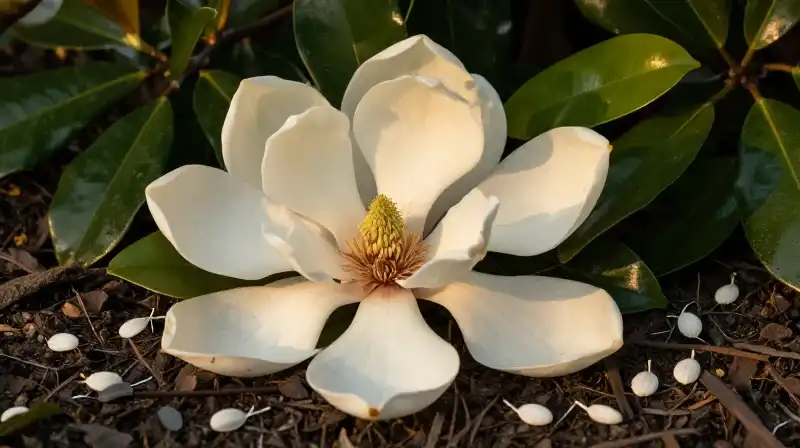 > > The Southern Magnolia (*Magnolia grandiflora*) is widely valued for its aesthetic presence in the American South and similar climates. This species is a notable evergreen, recognized for its impressive structure. > >
Optimal Growing Conditions
> > *M. grandiflora* thrives in USDA Hardiness Zones 7 through 9. This tree can achieve a substantial mature height, sometimes reaching 80 feet. The foliage is characterized by a durable, evergreen quality, and the tree typically produces highly fragrant, creamy white flowers, usually blooming from May through July. > >
Addressing Specific Seed Questions
> > People often wonder if Magnolia trees produce seeds. While the trees do produce seed-bearing pods (often referred to as magnolia seeds or pods), the successful harvest requires the careful collection of the fruit following maturation. If you are considering buying magnolia seeds for planting, ensure they are hand-sorted to maximize viability. > >
Practical Precautions and Summary
> > Before initiating a seed propagation project, be aware of the inherent complexities. While commercial supplies may be packaged in specific quantities (e.g., 15 seeds), the variability in seed health requires careful handling. Properly refrigerated and stored, raw seeds can maintain viability for up to one year. > > To ensure the highest likelihood of success, prioritize the cold stratification phase. Never skip the 120-day chilling period, regardless of whether you choose the refrigerator method or the outdoor winter method. Remember that while *magnolia seeds* are viable, the time investment for a mature, flowering tree is substantial. Be prepared for a decade of nurturing before the reward of its fragrant blossoms.
Frequently Asked Questions
Do magnolia trees give off seeds?
Yes, magnolia trees produce seed-bearing pods, which are often referred to as magnolia seeds or pods. The successful harvest of these seeds requires the careful collection of the fruit following its maturation.
How to Grow a Magnolia from Seed
Clean and Soaking
Carefully separate raw seeds from surrounding fruit pulp. Perform a 24-hour water soak to soften the seed coat and initiate scarification.
Cold Stratification
Maintain the seeds in a sustained cold period for approximately 120 days. This can be done by keeping seeds in moist compost or vermiculite in a refrigerator, or by sowing them directly outdoors in sandy compost throughout the winter.
Sowing the Seeds
Sow the cleaned and stratified seeds individually into pots filled with warm, nutrient-rich compost, ensuring they are planted 1/4 inch deep.
Post-Sowing Care
Firmly tamp the soil after sowing, and apply a light layer of mulch to help conserve moisture and regulate soil temperature.
Related Articles