How to Grow Phlox Seeds: Tips for a Thriving Garden

Introduction
Phlox, particularly the vigorous *Phlox drummondii*, offers one of the most dependable cottage garden displays, producing mounds of fragrance and color that attract essential pollinators. Though often enjoyed for their vibrant pink, red, purple, or white blossoms, successful growth requires precise attention to the unique germination needs and maintenance requirements of this flowering annual. Whether you are starting a full garden or looking for garden phlox seeds for a border, establishing robust plants relies heavily on understanding both the initial sowing process and the subsequent care in different environmental conditions.
Choosing Your Sowing Method: Direct vs. Indoor Starting
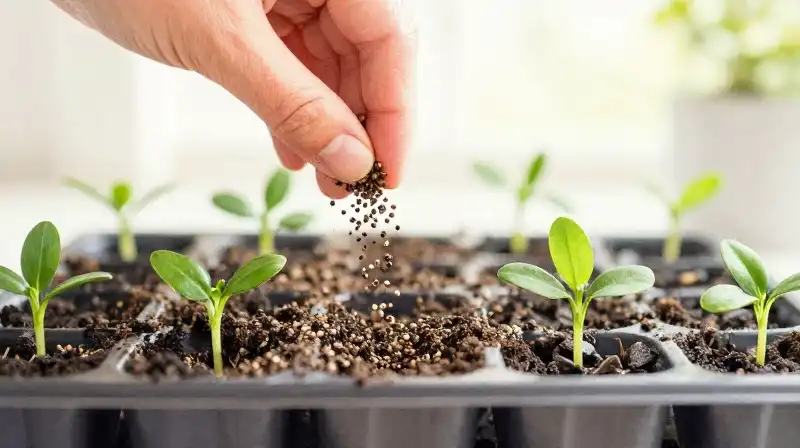 The most effective way to grow phlox involves selecting between direct seeding in the garden or starting indoors. The decision depends on your available space, the season, and your desire for earlier blooms.
Direct Seeding in the Garden
Direct seeding is the recommended, simplest, and most reliable method for garden phlox seeds. This approach is ideal for those seeking the most straightforward growth cycle. * **Timing:** You can plant directly into the garden once the risk of frost has passed. * **Benefit:** It allows the plant to grow in its natural environment from day one, often leading to more robust, natural root systems.
Starting Phlox Indoors
While possible, starting phlox seeds indoors requires careful timing to ensure the seedlings are strong enough to survive the transition to outdoor conditions. * **Timing:** Begin sowing approximately six to eight weeks before your last expected frost date. * **Transplanting:** Only transplant seedlings outside once they have developed their “true leaves” and the threat of frost has completely passed.
Optimizing Growing Conditions for Germination and Growth
Phlox thrives in a wide range of climates (Zones 3 through 9), but its success depends on optimizing light exposure and managing initial soil health.
Light and Temperature Needs
Phlox is flexible regarding light, successfully handling conditions from full sun to partial shade. However, managing heat is crucial for long-term vigor.
- Sun Exposure: While it tolerates shade, Phlox reaches its full potential and density in a location that receives several hours of direct sunlight daily.
- Heat Management: During intense summer heat, providing afternoon shade can prevent leaf scorch and heat stress, allowing the plant to conserve energy for blooming.
Preparation of the Growing Medium
Because phlox is generally drought-tolerant once mature, the primary goal during germination is to provide a consistent, well-draining environment. Use a high-quality soil mix that allows for excellent drainage. Avoid planting phlox in heavy, water-logged soil, which can lead to root rot.
The Art of Sowing and Spacing for Airflow
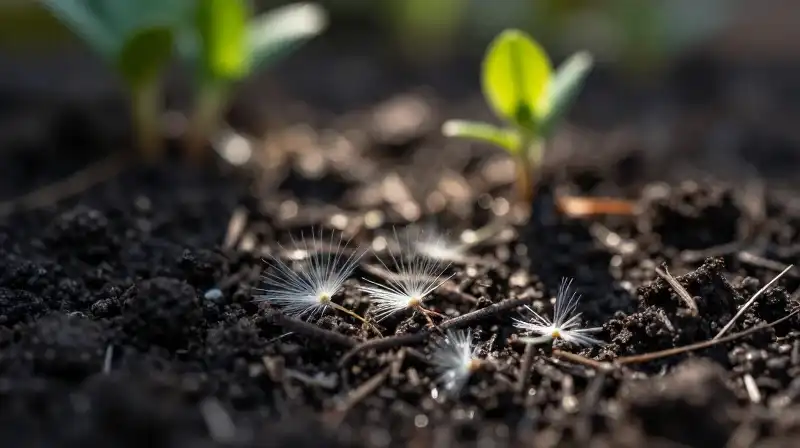 Achieving a lush, disease-free Phlox garden begins with proper sowing techniques and intentional plant spacing.
The Darkness Requirement
One of the most critical factors for successful germination is darkness. Phlox seeds require this period to trigger the sprouting process.
- Prepare your seedbed or tray with the appropriate soil.
- Scatter the garden phlox seeds evenly.
- Cover the seeds with a thin layer of soil or mulch. This covering provides the necessary dark, consistent humidity required to initiate growth.
Spacing for Health and Airflow
Proper spacing is not just about allowing the plant to grow; it is a vital defense against common issues like powdery mildew.
- Optimal Spacing: Space individual plants eight to twelve inches apart.
- Prevention: This ample spacing ensures sufficient airflow through the plant canopy, which significantly reduces the likelihood of fungal diseases and keeps the garden healthy and robust.
Nurturing Mature Phlox to Extend Bloom Periods
Once Phlox is established, ongoing maintenance dictates the quality and longevity of your display.
Hydration and Soil Protection
Although Phlox is relatively drought-tolerant once established, consistent watering is necessary, particularly during the initial establishment phase and in dry climates. To help maintain moisture and cool the soil during hot, dry summers, applying a layer of organic mulch to the root zone is highly advised.
Feeding and Pruning for Continuous Color
To encourage frequent and abundant flowering, a gentle feeding regime and deadheading practices are key.
- Fertilizing: In early summer, fertilize with either a rich compost top-dressing or a balanced fertilizer. This practice promotes robust flower development and encourages the plant to extend its bloom season.
- Deadheading: Regularly pinch off or remove spent, faded flowers. Deadheading allows the plant to redirect its energy from seed production back into producing new, vibrant floral clusters, maintaining a neat appearance throughout the season.
Preventing Common Growing Errors and Managing Challenges
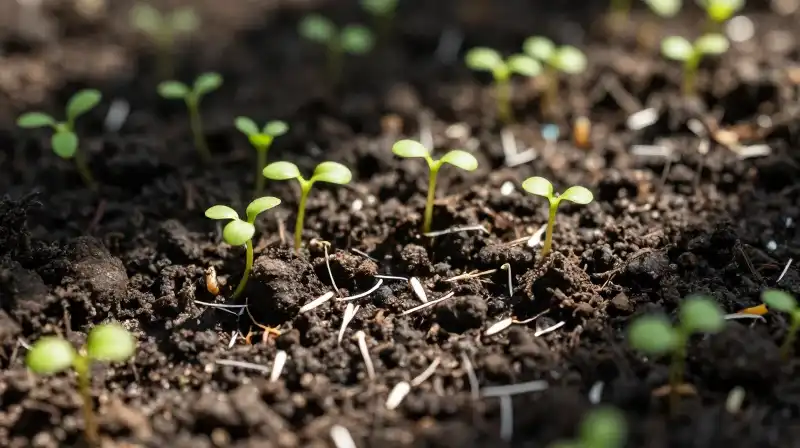 Even with a healthy start, gardeners can encounter specific issues with Phlox. Anticipating these challenges helps you maintain a thriving garden.
Avoiding Overwatering
The primary mistake many gardeners make is overwatering. Phlox requires moisture for germination and establishment, but once the roots are fully developed, they are surprisingly resilient. Ensure your planting depth is correct, and allow the top layer of soil to dry slightly between deep waterings to prevent root suffocation.
Airflow and Pest Control
If your Phlox plants are starting to look leggy or stressed, check your spacing. If they are too crowded, thin them out to ensure adequate sunlight penetrates the foliage and that the air circulates properly. A well-maintained, airy plant is less susceptible to the pests and diseases that thrive in damp, stagnant conditions.
Practical Considerations for Phlox Garden Planning
To ensure your Phlox display is both sustainable and visually striking, consider these final practical steps. Phlox is celebrated for its delicate, sweet fragrance and its role in supporting local ecosystems. By providing a reliable source of nectar, Phlox acts as a vital attractor for butterflies, hummingbirds, and bees. When planning your space, ensure you dedicate a zone where your Phlox can thrive without being overly competing with neighboring plants, allowing it the distinct space it needs to form those beautiful, luxuriant blooms. Consistent attention to drainage, heat management, and deadheading will maximize the visual and ecological return on your investment in garden phlox seeds.
How to Germinate Phlox Seeds for Best Growth
Prepare Seedbed
Prepare your seedbed or tray with the appropriate soil.
Scatter Seeds
Scatter the garden phlox seeds evenly.
Cover Seeds for Germination
Cover the seeds with a thin layer of soil or mulch to provide necessary darkness and consistent humidity.
Related Articles