How to Grow Lemon Eucalyptus Seeds: Planting and Care Guide

Introduction
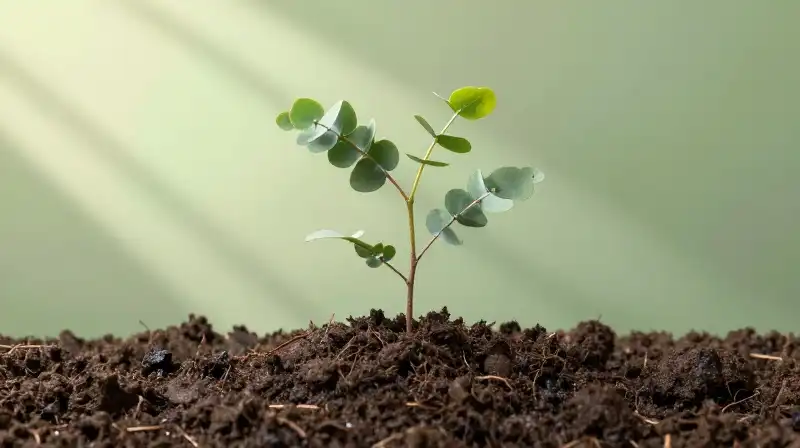
Lemon Eucalyptus (Eucalyptus Citriodora) seeds hold promise for growers seeking the intense, crisp aroma of citrus in the garden. Known for its rapid growth and distinctive fragrance, this plant requires specific conditions to successfully transition from seed to established shrub. Unlike many common garden plants, successful propagation of Lemon Eucalyptus relies heavily on managing the early, critical germination phase.
This guide provides a precise roadmap for starting Lemon Eucalyptus, covering everything from optimal seed preparation and planting depth to managing the environmental variables needed for a strong start. If you are looking for a method to grow Lemon Eucalyptus seeds, follow these specific steps to maximize your chance of successful germination and healthy seedling development.
Preparation and Climate Requirements
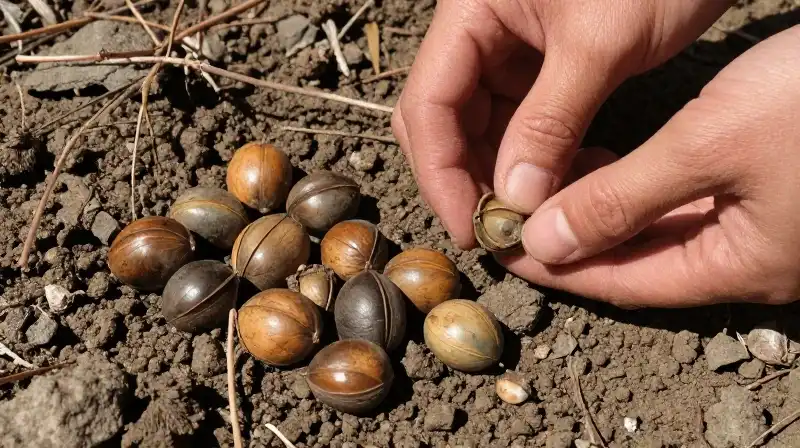
Before sowing, understanding the optimal environment is crucial. Lemon Eucalyptus thrives in warmer climates and is relatively tolerant of high light exposure. Because the mature plant is fast-growing and can fill space, initial planning regarding its long-term placement is advisable.
Ideal Environmental Conditions
- Climate: It prefers warm climates and is best suited for USDA zones 8 through 11. While some cold-hardy varieties exist, standard Lemon Eucalyptus requires protection in colder regions.
- Seed Storage: Seeds should be stored in a cool, dry location. They do not require pre-soaking or scarification; immediate planting after storage is recommended.
- Starting Location: Initial growth must occur in a controlled environment, such as a greenhouse or indoors, to guarantee the consistent temperatures necessary for successful germination.
The Germination Process: Sowing Techniques
Germination of Lemon Eucalyptus seeds is a timed process, typically taking between 14 and 21 days. Precision in planting is vital for a successful outcome.
Step-by-Step Planting Guide
- Select Your Container: Begin planting in a small nursery pot measuring 2 to 3 inches. Do not use terracotta containers during the initial germination phase, as the material may impede moisture retention necessary for the initial sprouting.
- Determine Planting Density: For optimal establishment, sow 2 to 3 seeds per nursery planter. This ensures that even if some seeds fail to germinate, there are chances for successful growth.
- Set Sowing Depth: Plant the seeds at a shallow depth of 1/4 inch to 1/8 inch. Keeping the seeds close to the surface allows for easier warmth penetration and monitors for early signs of sprouting.
- Maintain Optimal Temperature: The ideal temperature range for germination is between 70°F and 85°F. Consistent warmth is critical for driving the metabolic process required to open the seed and begin sprouting.
Post-Germination Care and Transition
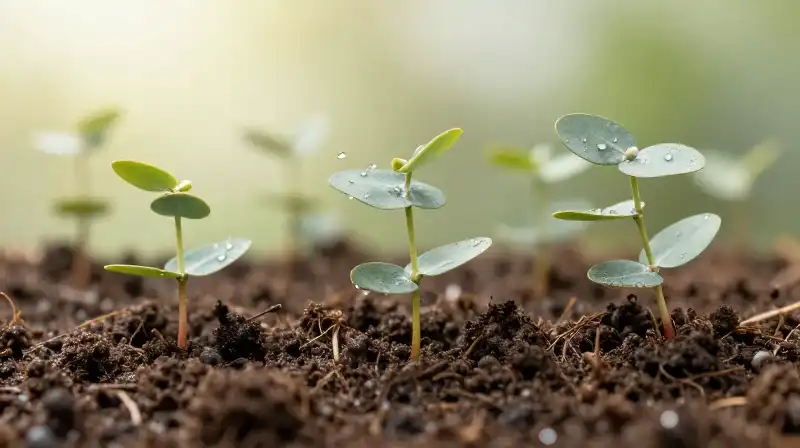
Once seedlings emerge, the focus shifts from initiating growth to strengthening the young plant to handle environmental stresses.
Nursery Care Protocol
- Initial Environment: Keep seedlings in the protected greenhouse or nursery until they are established enough to survive outside.
- Root Development: Monitor the roots carefully. As the plant develops, it will need progressively larger pots and increased space.
- Hardening Off: Before moving the established seedling to its permanent outdoor location, gradually expose it to direct sunlight and outdoor temperatures over several weeks. This process, known as “hardening off,” prepares it for the rigors of the external environment.
Addressing Common Grower Questions
Specific concerns often arise regarding the utility and health impact of this type of plant. Addressing these queries provides clarity on the plant’s practical uses and limits.
Does Eucalyptus Help With Diabetes?
Regarding health claims, there is no scientific evidence to support the claim that Lemon Eucalyptus directly helps manage or cure diabetes. The plant’s primary value lies in its aromatic oils and its use in fragrance and natural plant applications. Always consult a qualified medical professional for advice regarding diabetes management.
Where to Find Seeds and Buying Options
If you are searching for Eucalyptus seeds bulk or near you, check reputable online gardening suppliers (including those on major marketplaces like Amazon) and local specialty nurseries. When purchasing, look for seeds specifically identified as “Eucalyptus seeds” or “Lemon Eucalyptus seeds” to ensure you receive the desired variety and not a generic species.
Critical Constraints and Practical Warnings
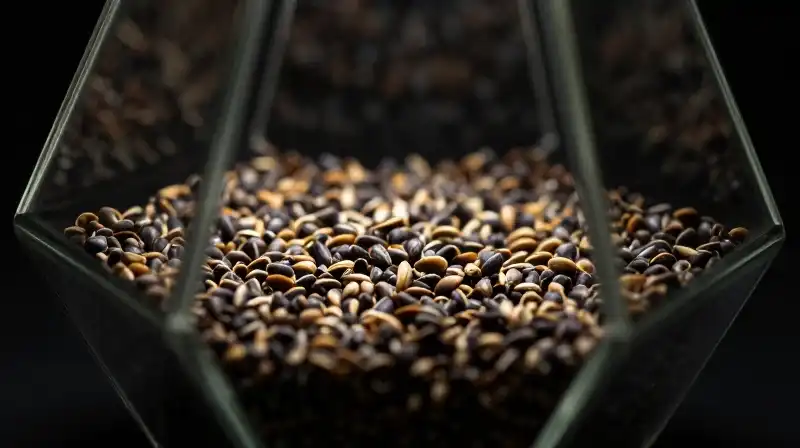
Successfully growing Lemon Eucalyptus requires adherence to specific ecological and horticultural limits to avoid costly failure.
| Parameter | Critical Requirement | Why it Matters |
|---|---|---|
| Starting Container | Shallow pot (2-3 inches) | Prevents root restriction and overheating during the critical germination phase. |
| Temperature | 70°F - 85°F | Ensures metabolic activity is high enough for the 14-21 day germination window. |
| Maturity | Several years | Expect a long-term investment; this is a slow grower that requires patience. |
In conclusion, the key to growing Lemon Eucalyptus seeds lies in treating the initial germination phase as a high-precision scientific endeavor. By strictly controlling the temperature, maintaining ideal moisture levels in the chosen containers, and adhering to the shallow planting depth, you can successfully initiate a plant that will eventually provide a rich, natural citrus fragrance for years to come.
Frequently Asked Questions
Does eucalyptus help with diabetes?
There is no scientific evidence to support the claim that Lemon Eucalyptus directly helps manage or cure diabetes. Its primary value lies in its aromatic oils and natural applications, and users should always consult a qualified medical professional for diabetes management.
How to Germinate and Start Lemon Eucalyptus Seeds
Select Your Container
Begin planting in a small nursery pot measuring 2 to 3 inches. Do not use terracotta containers during the initial germination phase, as the material may impede moisture retention necessary for the initial sprouting.
Determine Planting Density
For optimal establishment, sow 2 to 3 seeds per nursery planter. This ensures that even if some seeds fail to germinate, there are chances for successful growth.
Set Sowing Depth
Plant the seeds at a shallow depth of 1/4 inch to 1/8 inch. Keeping the seeds close to the surface allows for easier warmth penetration and monitors for early signs of sprouting.
Maintain Optimal Temperature
The ideal temperature range for germination is between 70°F and 85°F. Consistent warmth is critical for driving the metabolic process required to open the seed and begin sprouting.
Related Articles