Top Dressing Sand Haul Rates and Delivery Zone Pricing


Introduction
When sourcing top dressing sand for any landscaping or turf project, determining the most cost-effective delivery strategy is essential. Transportation costs are often a significant factor in the total project budget. This guide provides a detailed breakdown of the haul rates and delivery zone pricing structure, allowing customers to optimize their material sourcing by understanding how costs vary based on their assigned delivery zone and the specific transport service required.
Understanding the Zone-Based Pricing Structure
 The total logistics cost for receiving top dressing sand is directly dependent on the customer’s geographic location. Our pricing is structured across ten distinct delivery zones, ranging from Zone 1 (the closest to the origin) through Zone 10 (the furthest range). The complexity of the route, distance, and logistical effort of reaching a specific zone dictates the rate assigned.
It is crucial to note that all published haul rates cover the transportation of materials only. These delivery fees do not include the cost of the top dressing sand itself. Therefore, when comparing project budgets, the material cost and the transport fee must be calculated separately based on the zone.
Comparing Haul Rate Options: Standard vs. Light Load Transport
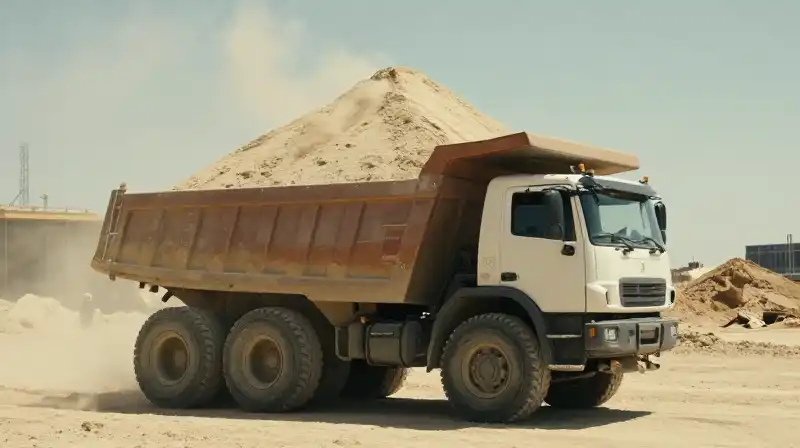 To accommodate varying project needs, two distinct categories of service are offered, each with a different associated fee structure. Selecting the correct option ensures the delivery process is both efficient and financially sound.
Standard Haul Rates: This option is designed for comprehensive deliveries involving standard quantities of material and full-scale transport. It is the primary method for securing bulk orders and large material loads.
Light Load Rates: Specifically offered for smaller, lighter quantities of material or specific, low-volume top dressing sand needs, the Light Load option provides a specialized service with significantly lower associated fees. This allows for efficient sourcing of smaller quantities without incurring the full standard haul cost.
Decision point for clients:
- If your order volume is standard and you require a full logistical service for bulk material, choose the Standard Haul Rate.
- If you are sourcing specialized, smaller quantities, or only require light, focused transport, the Light Load Rate provides a cost advantage.
Top Dressing Sand Selection: Quality and Application
 When finalizing your order, the quality of the sand matters just as much as the haul rate. “Top dressing sand” is a broad category, and specific applications demand specific properties.
What sand is best for top dressing?
The ideal sand depends on the environment being treated: the texture and composition must be suitable for the intended use. Sand used for general landscaping should be finely screened to ensure even coverage. For high-performance turf areas, the ideal sand must be chemically balanced and appropriately graded to promote root health and drainage.
Is lawn sand the same as top dressing?
While there is considerable overlap in materials, “lawn sand” often refers to a general gardening product, whereas “top dressing sand” implies a more specific requirement for coverage or horticultural application. It is often classified by its function. If you are seeking specialized sand for sports fields or high-end turf, you should verify that the sand meets the USGA standard or similar quality benchmarks to ensure durability and uniformity.
What is the best sand for top dressing greens?
For delicate greens, the best sand must be highly consistent and often meticulously washed and screened. This provides a fine, even layer that supports the grass’s health without compaction. Using quality, specific-grade sand ensures that the material performs its role in maintaining an optimal playing surface, distinguishing it from generic masonry sand or playground materials.
Optimizing Your Logistics Strategy for Material Sourcing
 To reduce overall project costs and streamline the procurement of top dressing sand, several logistical considerations can significantly impact the final invoice.
Focus on Bulk Purchasing: For large-scale projects, ordering enough material to cover multiple future needs often qualifies for specialized bulk rates, which may supersede the standard haul rate matrix. Always inquire about bulk discounts tailored to your total anticipated tonnage.
Understand the Exclusion: A critical point to remember is that all provided rates pertain strictly to delivery logistics. You are responsible for procuring the raw material cost. This clarity prevents miscalculation when comparing this transport provider to others. To calculate your true cost, you must add the material price to the zone-based haul rate.
Service Type Matching: Avoid overpaying for Light Load services if your order size actually exceeds the Light Load threshold. Conversely, do not select the Standard Haul Rate if your needs fall well within the capacity of the Light Load service. Matching the volume to the service type is key to efficient spending.
Delivery Zone Decision Flow: A Practical Guide
 When you are ready to proceed, you must assign your delivery zone based on your physical location. The following steps simplify the decision-making process:
- Determine the approximate distance or zone number relevant to your delivery location (e.g., Zone 3, Zone 7).
- Identify the necessary service type based on the intended quantity of top dressing sand (Standard for large loads; Light Load for small loads).
- Cross-reference your Zone and Service Type against the current haul rate schedule to establish the transportation cost.
- Calculate the final budget by adding the sand material cost to the determined transport fee.
Strategic Summary: Making an Informed Decision
Managing a project effectively means mastering both the material quality and the logistics. By using this zone-specific guide, you can precisely budget for transport and ensure you are receiving the correct type of material for your specific needs—whether that is high-grade USGA sand for professional greens or standard lawn top dressing.
Always verify the specific requirements for your intended use (e.g., masonry vs. turf) before placing a bulk order, and confirm the precise geographic zone before final billing to prevent logistical discrepancies. Efficient sand sourcing combines quality material with optimized transport.
Frequently Asked Questions
What sand is best for top dressing?
The ideal sand depends on the environment, as the texture and composition must suit the intended use. For general landscaping, it should be finely screened, while high-performance turf requires chemically balanced and appropriately graded sand, and delicate greens need a highly consistent, meticulously washed, and screened material.
Is lawn sand the same as top dressing?
While there is considerable overlap in materials, lawn sand often refers to a general gardening product, whereas top dressing sand implies a more specific requirement for coverage or horticultural application. It is frequently classified based on its intended function.
What is the best sand for top dressing greens?
For delicate greens, the best sand must be highly consistent and often meticulously washed and screened to provide a fine, even layer. Using quality, specific-grade sand ensures the material supports the grasss health without causing compaction and maintains an optimal playing surface.
Guide to Determining Delivery Zone and Cost for Top Dressing Sand
Determine Delivery Location and Zone
Determine the approximate distance or zone number relevant to your delivery location (e.g., Zone 3, Zone 7).
Identify Necessary Service Type
Identify the necessary service type based on the intended quantity of top dressing sand (Standard for large loads; Light Load for small loads).
Establish Transportation Cost
Cross-reference your Zone and Service Type against the current haul rate schedule to establish the transportation cost.
Calculate Final Budget
Calculate the final budget by adding the sand material cost to the determined transport fee.
Related Articles