German Pink Tomatoes: Growing Guide for Best Flavor and Size

Introduction
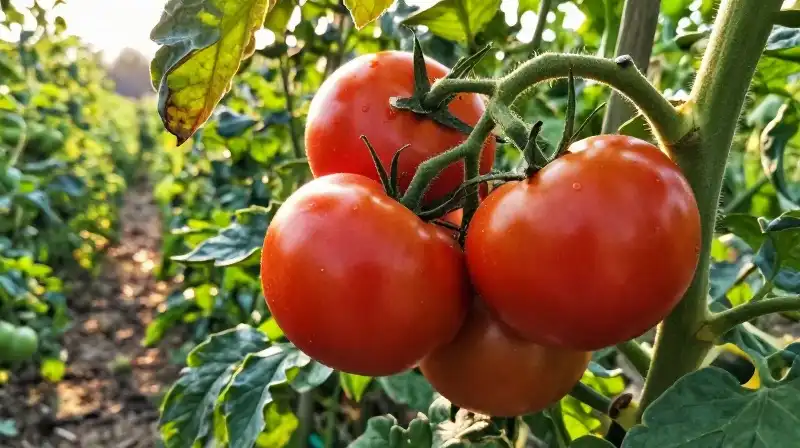
German Pink tomatoes are prized by gardeners for their dependable, steady harvest throughout the season and their large, attractive fruit. They are considered a high-performing variety, but their size and productive nature require specific care beyond standard tomato growing practices. Successfully cultivating this variety hinges on understanding its need for significant space, consistent nutritional support, and meticulous environmental control. This guide provides a detailed roadmap for maximizing yield and ensuring the best possible flavor for German Pink tomatoes.
Understanding the German Pink Tomato Profile
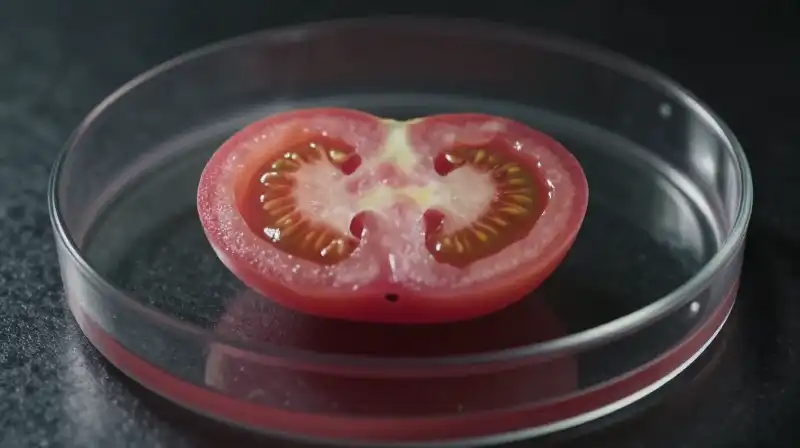
Before planting, it is essential to understand the physical characteristics and growth habits of the German Pink tomato. This variety is known for continuous fruit production and robust size.
Size and Growth Habit
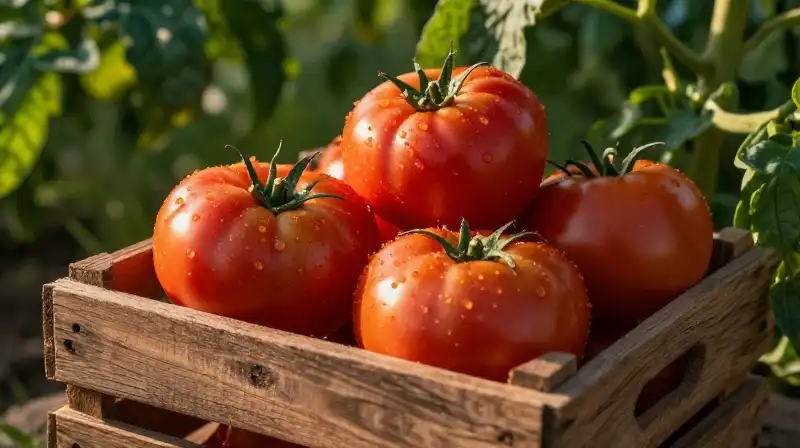
One common question about German Pink tomatoes is how large they get. These tomatoes develop substantial, appealing fruit. While size can vary depending on genetics and growing conditions, they are classified as producing large-to-extra-large fruit.
Regarding growth habits, German Pink tomatoes exhibit two primary types: determinate and indeterminate. Determinate plants reach a set height and produce fruit all at once, while indeterminate varieties continue to grow and produce fruit throughout the entire growing season. The overall maturity time for German Pink tomatoes is typically within 85 to 90 days after transplanting under optimal conditions.
Ideal Growing Conditions and Environmental Requirements
German Pink tomatoes are warm-season crops and require a specific environment to thrive, particularly regarding soil quality and temperature regulation.
Soil and Sunlight
These tomatoes thrive in soil that is warm, well-drained, and possesses excellent air and water infiltration. Optimal soil pH for cultivation is maintained between 5.8 and 6.6. If your soil requires adjustment, lime testing is necessary to ensure the pH is within this favorable range.
They demand full sun to reach their full potential, meaning at least six to eight hours of direct sunlight daily. Good preparation of the planting site is key to establishing a healthy root system.
Temperature Control for Peak Quality
Temperature management is critical for both vigorous growth and the development of proper fruit coloration. Optimal daytime temperatures fall within the range of 65°F to 85°F. Growth will begin to cease if daytime temperatures exceed 95°F.
Crucially, nighttime temperatures must remain below 85°F. If nights become too warm, the tomatoes may fail to develop their desired deep red coloration, impacting the final appearance and flavor.
Optimizing Planting and Cultural Practices
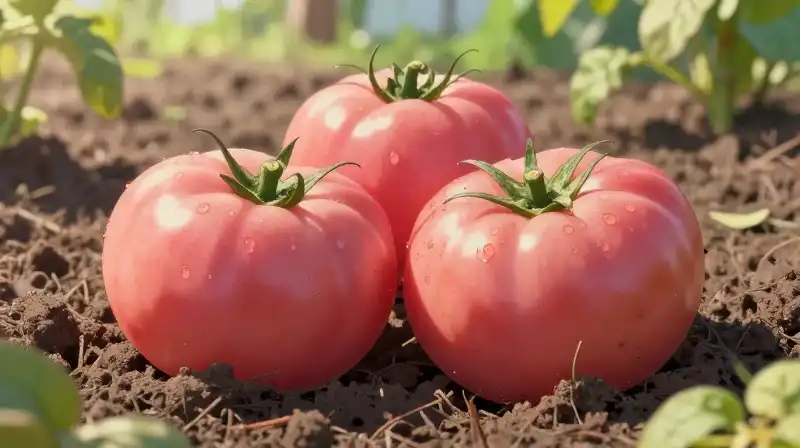
High-quality production of German Pink tomatoes requires precision in planting, spacing, and continuous structural support.
Planting Timing and Soil Preparation
Because German Pink tomatoes are warm-season crops, they should not be planted until the soil temperature at a three-inch depth reaches 60°F. Cultivation typically begins by starting transplants 42 to 56 days before the planned field planting date.
Spacing and Physical Support
Maximizing yield depends heavily on proper spacing to allow adequate air circulation and nutrient access. Commercial guidelines often suggest planting 12–18 inches within rows and 60 inches between rows. Providing off-the-ground support (staking or caging) is non-negotiable, as the weight of the large German Pink fruits requires robust physical support to prevent plant damage.
If growing in containers, the requirements for space increase significantly due to the plant’s size and the fruit’s bulk. Containers must be substantial, ideally 10 gallons or larger, to accommodate the roots and the weight of the harvest.
Nutrition and Maintenance Strategies
To maintain the consistent, high-level productivity for which German Pink tomatoes are known, targeted feeding and consistent moisture are necessary.
Water and Fertilization
Consistent and reliable watering is fundamental to healthy German Pink plant growth. Irregular or insufficient watering can lead to stress and stunted development.
To maximize productivity and promote abundant fruit set, regular feeding is recommended. Fertilization should specifically prioritize high-phosphorus nutrients. Phosphorus is vital for the robust flowering and subsequent fruit development that this variety is known for.
Harvesting and Storage Guidelines
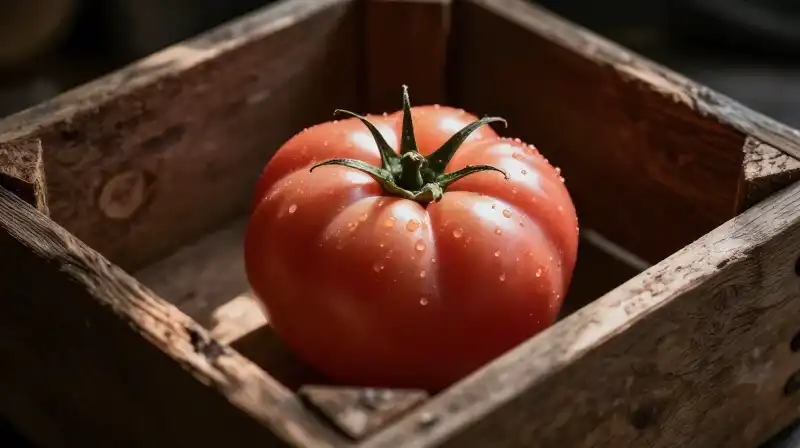
The harvest of German Pink tomatoes differs significantly depending on the intended market—fresh market sales versus wholesale distribution.
Harvest Maturity
For fresh-market purposes, the harvest is labor-intensive, requiring multiple pickings throughout the season as the fruit matures. However, for wholesale markets, tomatoes are typically picked at the “breaker stage” or mature green. This approach minimizes damage during transport, ensuring the fruit arrives intact, though it may require ripening post-purchase.
Post-Harvest Storage
Once fully mature, red German Pink tomatoes can maintain quality for four to seven days if stored correctly. The ideal conditions for storage are a temperature between 46–50°F and a humidity level of 90–95% to preserve flavor and texture.
Practical Warnings and Final Considerations
While German Pink tomatoes offer a rewarding harvest, their high yield and large size introduce specific horticultural challenges that must be managed to avoid common gardening mistakes.
The most common mistake is underestimating the space requirement. Both the plant itself and the harvested fruit demand significant room, whether in a large bed or a substantial container. Adequate physical support is not merely a suggestion but a practical necessity for the longevity of the plant. Finally, while the continuous production is a benefit, managing the regular feeding requirements, particularly the phosphorus-rich boosts, is critical to ensuring that the plants maintain their high output quality across the entire growing season.
Frequently Asked Questions
How big does a German pink tomato get?
German Pink tomatoes develop substantial, appealing fruit and are classified as producing large-to-extra-large fruit.
How to Grow German Pink Tomatoes
Prepare the Growing Environment
Ensure the soil is warm, well-drained, and has excellent air and water infiltration, maintaining a pH between 5.8 and 6.6. The planting site must receive full sun (6-8 hours daily).
Plant at the Correct Time and Spacing
Do not plant until the soil temperature at a three-inch depth reaches 60°F. Start transplants 42 to 56 days before the field planting date. Plant 12–18 inches within rows and 60 inches between rows, or use containers 10 gallons or larger.
Provide Structural Support
Install off-the-ground support (staking or caging) to accommodate the weight of the large German Pink fruits, especially if growing in containers. This physical support is non-negotiable.
Maintain Consistent Nutrition and Watering
Provide consistent and reliable watering to prevent plant stress. Fertilize regularly, prioritizing high-phosphorus nutrients to promote robust flowering and fruit development.
Monitor Temperature Requirements
Ensure daytime temperatures remain between 65°F and 85°F, and nighttime temperatures remain below 85°F, as heat stress can affect color and flavor.
Harvest at the Desired Stage
For fresh market sales, harvest labor-intensively as fruit matures. For wholesale markets, pick at the “breaker stage” or mature green to minimize damage during transport.
Store Fully Mature Tomatoes
Store fully mature red German Pink tomatoes in ideal conditions: 46–50°F temperature and 90–95% humidity, to maintain quality for 4 to 7 days.
Related Articles