Growing Chamomile Seeds: A Complete Cultivation Guide

Introduction
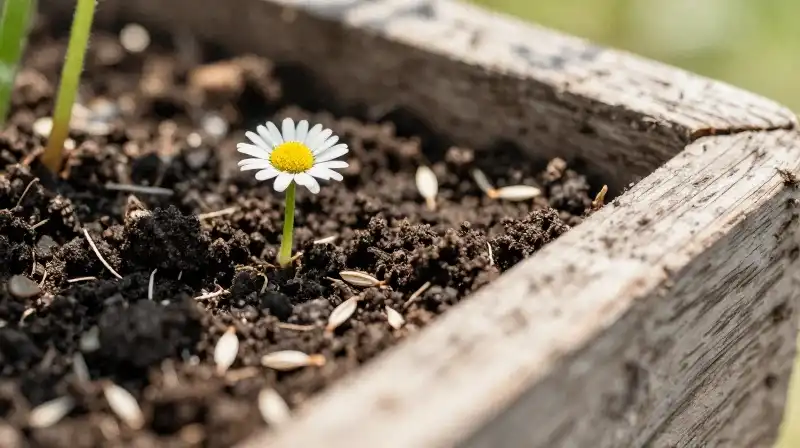
Growing chamomile from seed yields a beautiful, daisy-like annual plant highly prized for its potent calming properties and beautiful aesthetic. Native to the Asteraceae family, this perennial herb has been utilized for thousands of years in traditional medicine for its anti-inflammatory and antioxidant benefits. However, success with chamomile seeds—specifically when achieving healthy germination and vigorous growth—requires precise attention to light requirements and environmental conditions. Whether you are aiming for chamomile seeds for tea or seeking to integrate it as a beneficial companion plant in your garden, understanding the nuances of its cultivation is the first step toward a successful harvest.
Determining the Right Sowing Strategy
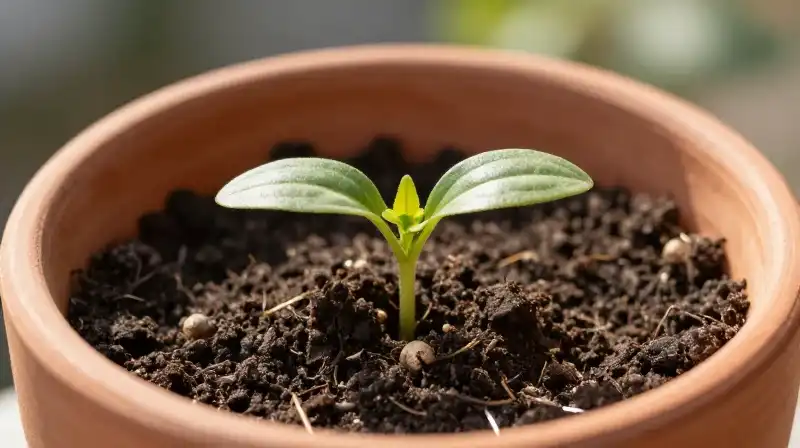
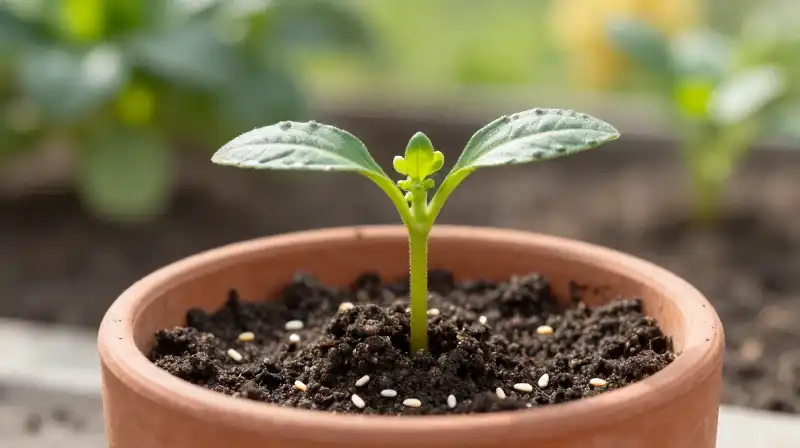
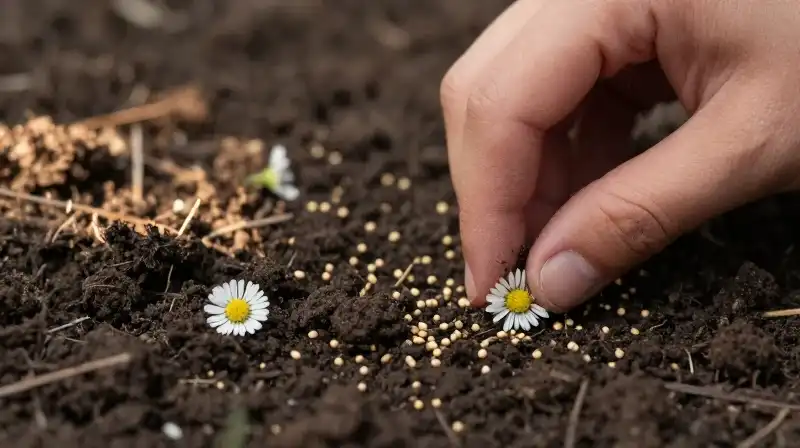 The method by which you start your chamomile seeds depends on your climate and the desired planting season, as they have different responses to temperature and sunlight. Chamomile seeds must be planted directly onto the soil surface, as they require light exposure to trigger germination and will not sprout if covered.
Starting Chamomile Seeds Indoors
If you are planning an early spring garden, starting 6–8 weeks before your last anticipated frost is necessary.
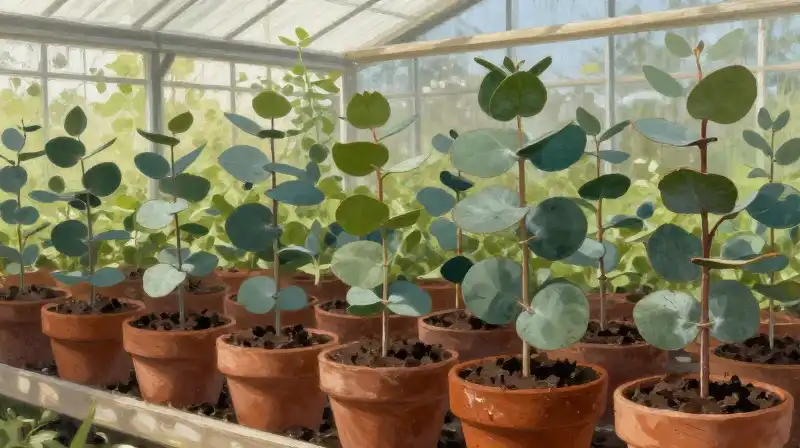
The optimal germination temperature for these seeds is approximately 65°F. Because light is non-negotiable for successful sprouting, use shallow trays or containers where the seeds are spread in a single layer. Once the seedlings have established themselves, they must be carefully thinned, leaving two to four inches between the strongest plants to ensure proper air circulation and adequate sunlight as they grow into robust, bushy plants. After hardening them outdoors for about seven days, they are ready for their permanent garden location.
Direct Sowing Outdoors for Natural Cycles
For those planting later or preferring a more natural approach, direct sowing after the first frost is often recommended, as the plant is accustomed to colder temperatures. You may need to simulate cold stratification, achieved by planting the seeds late in the fall. When direct sowing, ensure you use rich, well-drained organic soil and place the seeds directly on the surface rather than covering them with soil.
Cultivating Ideal Growth Conditions
Chamomile thrives in environments that provide consistent moisture, ample light, and nutrient-rich soil. Managing these elements correctly is key to preventing common issues like fungal growth and ensuring a high-quality harvest.
Soil and Nutrition
Chamomile prefers rich, deeply organic soil that drains well. Improving soil quality with organic matter aids in regulating the temperature and providing the nutrients needed for vigorous growth. Applying an organic mulch around the base of the plants is highly effective; it helps retain vital moisture, suppresses weeds, and buffers the soil temperature against extreme fluctuations.
Watering Techniques and Mulching
Consistent watering is crucial. To prevent fungal issues, always apply water directly at the base of the plant. Avoid wetting the foliage, as damp leaves can encourage mildew. If conditions are dry, regular deep watering is needed, and the use of a protective organic mulch will reduce the frequency of necessary watering by maintaining consistent soil moisture.
Maintenance and Encouraging Vigor
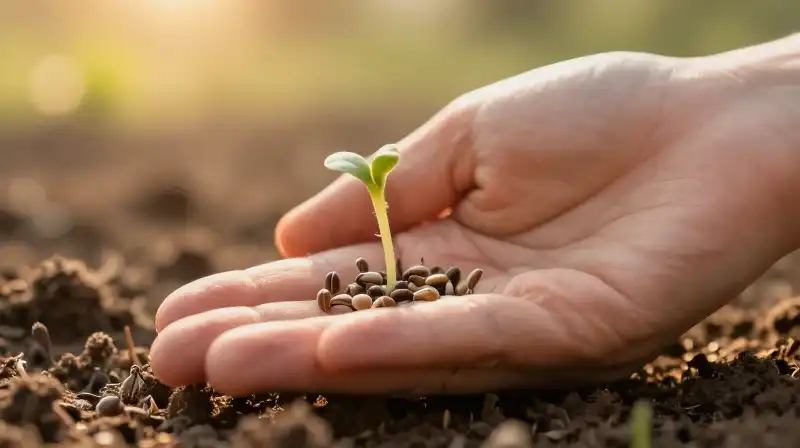 To ensure your chamomile patch is robust, healthy, and ready for optimal harvesting, consistent maintenance—including strategic pruning and pest monitoring—is recommended.
When the plants reach about six inches in height, apply gentle pinching by removing the tips of the stems. This simple act of pruning promotes a denser, bushier growth pattern, leading to more productive plants. Chamomile is naturally resistant to most common garden pests, but you may occasionally encounter aphids or spider mites. If these infestations occur, use preventative measures or treat with insecticidal soap or neem oil to manage them organically.
In the garden, chamomile also functions as a helpful companion plant. It promotes the health of surrounding vegetation and can be planted alongside beneficial companions like bee balm, phlox, and Black Eyed Susan.
Harvesting and Preservation for Culinary Use
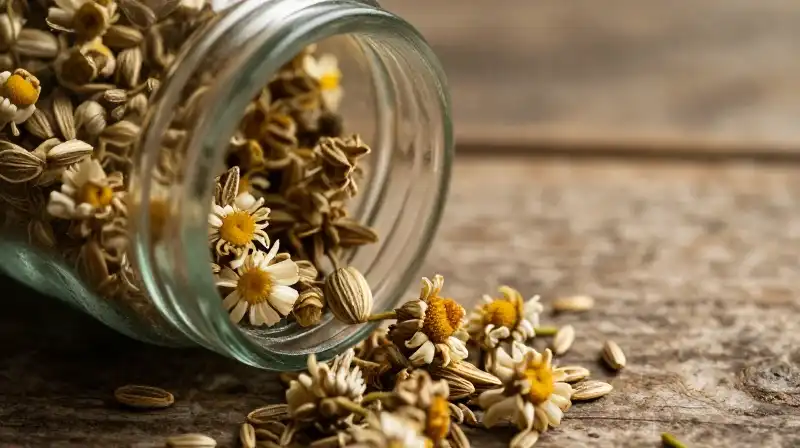 The flowers of the chamomile plant are highly prized for their medicinal and culinary uses, requiring specific timing and processing to maintain quality.
The best time to harvest the chamomile flowers is in the morning after the morning dew has evaporated. Select blooms that are fully open but have not yet begun to show signs of browning. These harvested flowers can be used immediately for fresh tea, or for long-term storage.
To preserve them for future use, the harvested flowers must be dried in a single, thin layer in a well-ventilated area until completely dry. Once brittle, they should be stored in airtight glass containers, ensuring they are protected from moisture and light to maintain their aromatic qualities.
Addressing Common Cultivation Questions
As chamomile seeds are widely available, several common questions arise regarding its care, safety, and growth pattern. Below are answers to frequently asked concerns about growing and using the herb.
-
Is chamomile easy to grow from seed?
Generally, yes, chamomile is known for its resilience. However, “easy” relies on providing the necessary specific conditions. It requires specific light for germination, rich organic soil, and consistent care; otherwise, it can be finicky.
-
Does chamomile grow back every year?
Yes, while it is often referred to as an annual, it functions as a perennial herb. The plant will usually self-seed and regrow in the garden, provided the conditions support it, though it may require yearly care depending on the climate.
-
Is chamomile tea OK with chemo?
As with any medicinal herb, individuals undergoing medical treatment should always consult their healthcare provider before consuming any new teas or supplements to ensure it does not interact with prescribed medications.
-
Does chamomile affect GABA receptors?
Research suggests chamomile possesses calming and sedative properties, likely due to its interaction with the body’s systems. While it is widely known for its mild tranquilizing effects, the extent of its effect on specific neurotransmitter receptors like GABA is an area of ongoing botanical study, and it should be used safely.
Choosing the Best Time and Variety
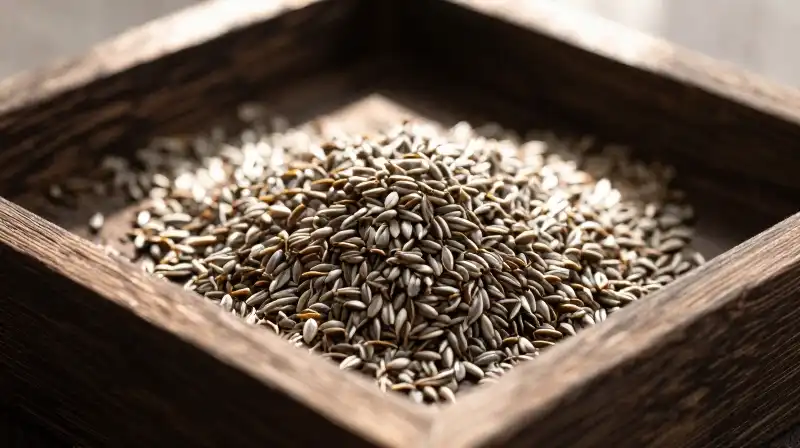
When selecting chamomile seeds, consider the intended use and climate. For a quick harvest focused on fresh tea, choose varieties known for early blooming. If you are looking for durable seeds for a dedicated summer harvest, look for varieties noted for continued production.
If you are searching for a more defined variant than the standard species, German Chamomile (*Matricaria recutita*) is a common and highly regarded variety, recognized globally for its medicinal qualities. Regardless of the variety, always ensure the source is reputable, especially if buying chamomile seeds for culinary or health purposes, and check if they are certified organic.
Summary of Cultivation Priorities
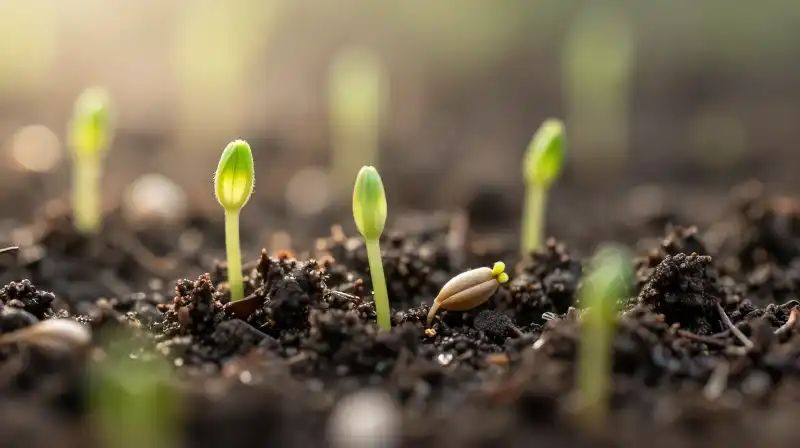
To ensure a successful growing season and a high-quality yield of aromatic flowers, focus on these critical priorities: utilize well-drained, organically rich soil; respect the light requirements by sowing seeds directly onto the soil surface; maintain consistent watering at the base of the plants; and remember that regular pinching and thinning are essential for maximizing the plant’s vigor and flower production.
How to Grow and Harvest Chamomile
Select and sow seeds
Determine if you will start indoors (6-8 weeks before the last frost) or sow directly outdoors after the first frost. Ensure the seeds are planted directly on the soil surface, as light is required for germination.
Prepare the environment
Use rich, well-drained, deeply organic soil. Apply an organic mulch around the base of the plants to retain moisture, regulate temperature, and suppress weeds.
Thin and establish seedlings
Once seedlings are established, carefully thin them, ensuring two to four inches between the strongest plants. Hardening off seedlings outdoors for about seven days before permanent placement is recommended.
Maintain ideal growth conditions
Maintain consistent watering by applying water directly at the base of the plant (avoiding foliage to prevent mildew). Ensure the plants receive ample light and nutrients.
Promote plant vigor
When plants reach approximately six inches in height, perform gentle pinching by removing the tips of the stems to promote denser, bushier growth. Monitor for pests like aphids and treat with organic methods if necessary.
Harvest the blooms
Harvest the chamomile flowers in the morning after the dew has evaporated, selecting blooms that are fully open but not yet browning.
Dry and preserve
To preserve the flowers, dry them in a single, thin layer in a well-ventilated area until completely brittle. Store the dried flowers in airtight glass containers, protected from light and moisture.
Related Articles