Distylium Blue Cascade Shrub: Care, Features, and Planting Ideas

Introduction
The Distylium Blue Cascade offers a distinctive landscape element, blending year-round blue-green foliage with striking ruby red blooms during the winter months. This shrub is a reliable, low-maintenance perennial choice for gardeners seeking vibrant color and structure even when other plants are dormant. Unlike shrubs that demand heavy pruning or frequent care, the Blue Cascade performs exceptionally well as a hardy, drought-tolerant addition to gardens, capable of serving as a focal specimen or a practical foundation planting. Understanding its specific environmental needs and versatile uses will help maximize its visual impact in your landscape, regardless of your hardiness zone.
Environmental Requirements for Distylium Blue Cascade
Successful cultivation of Distylium Blue Cascade depends on providing the right balance of light, soil, and moisture. While highly adaptable, its ideal conditions ensure robust health and consistent growth.
Sun and Shade: This shrub thrives in full sun, which encourages the dense, uniform growth and maximizes the foliage’s blue-green hue. However, it remains vigorous and performant in part shade, making it suitable for more sheltered areas of a garden.
Soil and Moisture: While it adapts to various soil types, Distylium Blue Cascade performs optimally in moist, well-draining soil. It is critical to avoid heavy, waterlogged clay, as this can impede root health. Adequate drainage is the key factor when establishing the plant.
Hardiness: The Blue Cascade is resilient and is suited to grow in USDA hardiness zones 6b through 9. This broad range allows it to thrive in diverse climates across the eastern United States and northern regions.
Foliage and Seasonal Appeal of the Shrub
The primary appeal of Distylium Blue Cascade lies in its multi-season visual impact. Its characteristics deliver sustained interest rather than just a fleeting bloom.
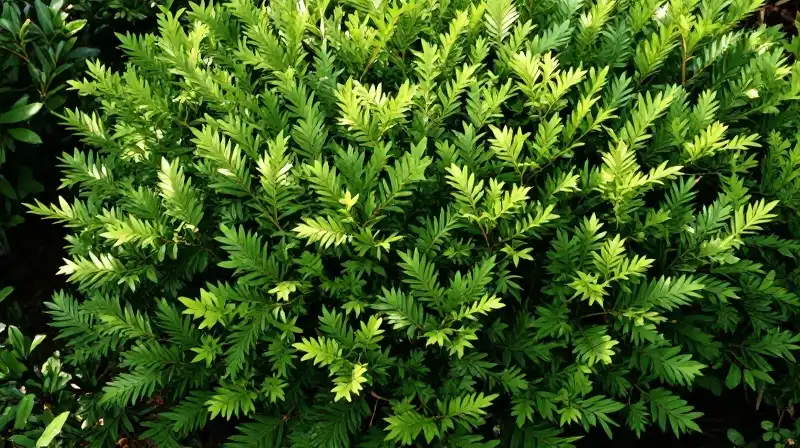
- Foliage: The shrub maintains its attractive blue-green, broad-leaf evergreen foliage throughout the entire year. This consistent color provides structure and vibrancy, even during the height of summer.
- Flowering: Its most dramatic feature is the delicate, ruby red flowers. These blooms are typically concentrated during the winter months, specifically from January through March, providing a crucial pop of warm color when most garden plants are resting.
- Mature Size: In its mature form, Distylium Blue Cascade generally reaches a height and spread of 3 to 4 feet. This manageable size makes it a versatile choice for various garden settings.
Maintenance and Resilience Factors

The Blue Cascade is known for its low-maintenance profile, a significant advantage for busy gardeners. Its natural resistances allow it to thrive with minimal intervention once established.
Pest and Disease Resistance: The plant naturally resists many common garden pests and diseases, significantly reducing the need for chemical treatments. This inherent health makes care effortless.
Drought and Deer Tolerance: Once the shrub is established in its site, it is relatively drought tolerant, meaning it can withstand dry spells. Furthermore, it is a known deer deterrent, making it a reliable choice in areas where local wildlife might graze on other plantings.
Pruning: While regular maintenance pruning is not strictly necessary, the shrub tolerates heavy pruning. This flexibility allows you to shape the Blue Cascade as a compact, defined specimen or allow it to grow in a more natural, rounded form.
Landscape Applications: Where to Plant Distylium Blue Cascade
Because of its versatility, the Blue Cascade works well in a variety of landscape roles, functioning just as easily as a structural element as it does as a vibrant burst of color.
As a Specimen or Focal Shrub: Due to its distinct color and seasonal blooms, a single, well-placed Distylium Blue Cascade can serve as a striking focal point in mixed beds, especially during late winter when its red flowers contrast beautifully with the blue-green leaves.
Foundation and Border Plantings: Its ability to thrive as a broad-leaf evergreen allows it to be used effectively in foundation plantings, providing year-round structure to the base of homes or along walkways. It also makes an excellent choice for borders, offering a clean, consistent look.
Containers and Mass Plantings: The Blue Cascade performs well in containers, offering flexibility for patio displays. Planting it in mass groupings creates a dramatic, unified swath of blue-green foliage that is highly effective in large landscape displays.
Practical Considerations Before Planting
Before installing Distylium Blue Cascade in your garden, evaluate your space and goals against its specific requirements to avoid disappointment.
Evaluate Microclimates: While it prefers full sun, if your location has a “microclimate” (a specific small area with differing conditions), assess whether that spot is adequately draining. Even with its resilience, poor drainage is the primary cause of failure.
Consider Seasonal Needs: If your landscape’s primary goal is summer foliage, consider other plants. The Blue Cascade delivers its most unique benefit—the ruby red winter bloom—only between January and March. Factor this seasonal delivery into your overall garden plan.
Adjusting for Space: Because the shrub has a mature size of 3-4 feet, measure your planting area to ensure it can expand without overwhelming the space. If you require a smaller shrub, plan for heavy pruning early in its development.
Conclusion: Designing with Distylium Blue Cascade
The Distylium Blue Cascade is a resilient, low-input plant that brings crucial winter color and consistent evergreen structure to any landscape. Its combination of blue-green foliage, reliable hardiness in zones 6b-9, and tolerance for neglect makes it an excellent choice for those seeking dependable beauty. Prioritize providing moist, well-draining soil and appropriate sunlight to ensure the shrub reaches its 3-4 foot potential. Use its ability to provide structural contrast and seasonal color to anchor your foundation plantings or define a garden border, benefiting from its natural resistance to pests and drought after establishment.
Related Articles