Growing Micro Basil Indoors: Simple Steps for Perfect Harvest

Introduction
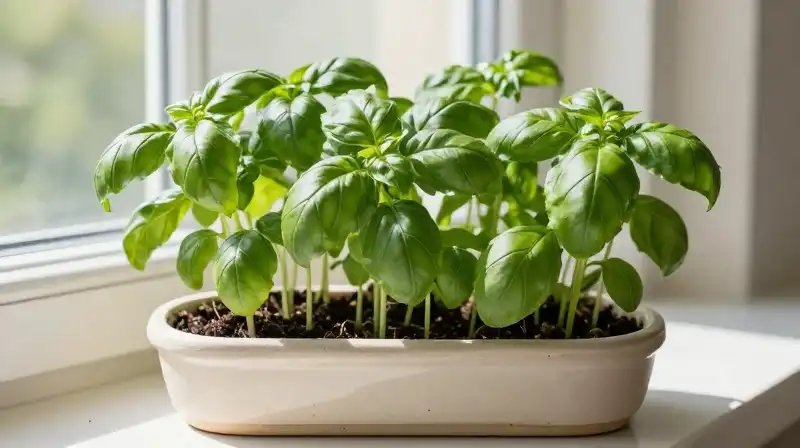
Micro basil, defined as basil grown specifically for its baby leaves or microgreens, offers an intensely flavorful, visually striking alternative to traditional full-sized basil. Cultivating this culinary variant indoors is a relatively simple, cost-effective project ideal for the summer months, resulting in a harvest that delivers a distinct fresh and bold aroma. Successful cultivation requires precision in environment and ongoing maintenance, but the reward is a low-effort, high-flavor ingredient perfect for garnishing, flavoring, and finishing dishes.
Establishing the Ideal Indoor Growing Environment
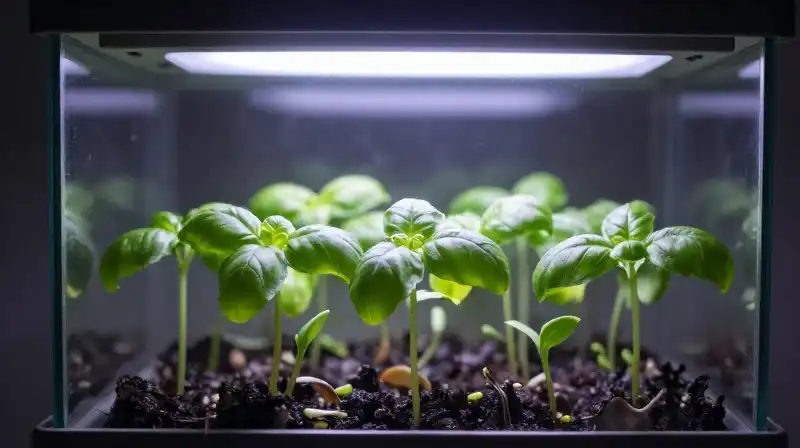 For micro basil to thrive, its environment must mimic a warm, sun-drenched outdoor setting. Basil is a warmth-loving plant, making temperature control crucial for efficient growth and germination.
Light: The most critical requirement is ample sunlight. While indoors, this usually means positioning the tray near a south-facing window, where the plant can receive at least three to four hours of direct light daily. In environments lacking sufficient natural light, supplemental grow lights are necessary to prevent weak, spindly growth and maintain a vibrant, compact leaf structure.
Temperature and Shelter: Basil performs best in consistently warm conditions. Indoor areas should maintain a stable temperature to ensure germination occurs within the typical five-to-fourteen-day window. If your home has cool nights or is subject to strong drafts, consider placing the growing setup inside a protected area, such as a covered patio or a warm, draft-free spot inside the house.
Selecting the Right Supplies and Medium
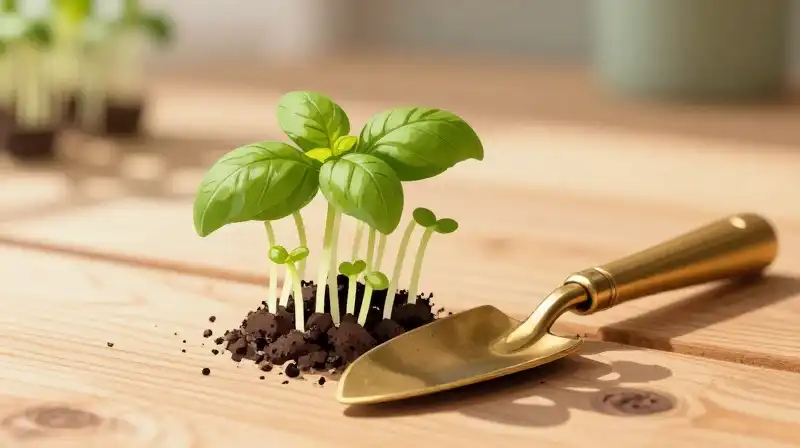 Starting a micro basil crop requires specific materials optimized for small-scale, quick growth.
Growing Medium: While multipurpose compost is a common choice, many specialized cultivators favor Coco Coir for micro basil due to its excellent water retention and lightness. The medium must provide a consistent, damp environment without becoming waterlogged, which can quickly lead to root rot.
Containers and Setup: Use a suitable container, such as a deep, stable seed tray or a shallow tray. These structures allow for close sowing—no more than one centimeter between seeds—which is essential for achieving a dense, flavorful crop.
Sourcing Seeds: Since microgreen cultivation requires a high density of seeds, plan to source micro basil seeds in larger quantities to ensure you have enough coverage for a profitable and plentiful harvest.
Sowing and Facilitating Germination
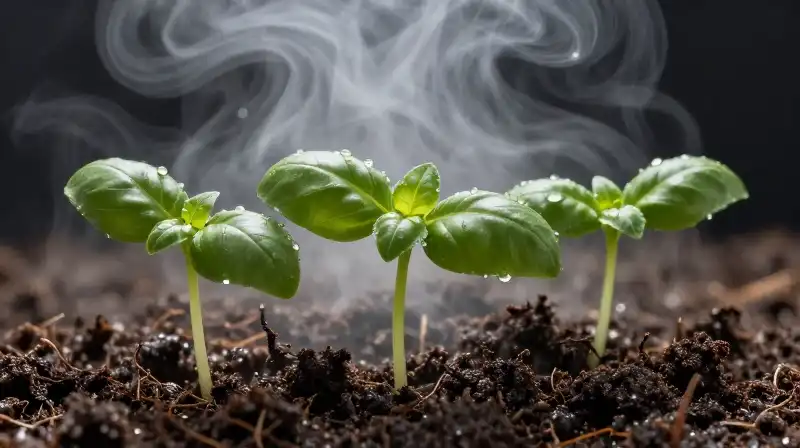 Once the environment and medium are ready, the sowing process itself is straightforward but requires adherence to specific depth rules.
Planting Density: Scatter the seeds evenly across the surface of the prepared compost or coco coir. Sowing them closely together is intentional; it ensures a lush, dense mat of green foliage that provides better overall flavor and vigor.
Cover and Initial Watering: Gently cover the seeds with a light dusting of the chosen growing medium. This soil layer helps retain moisture and provides the necessary insulation to trigger germination. After sowing, water the tray carefully, ensuring the compost remains damp but not saturated.
Watering Methods: Some production methods incorporate watering the plants from below. This approach allows the seeds and young roots to draw moisture directly from the soil, providing even coverage and preventing accidental foliage wetting, which is beneficial when the seedlings are small.
The Essential Thinning Process for Plant Vigor
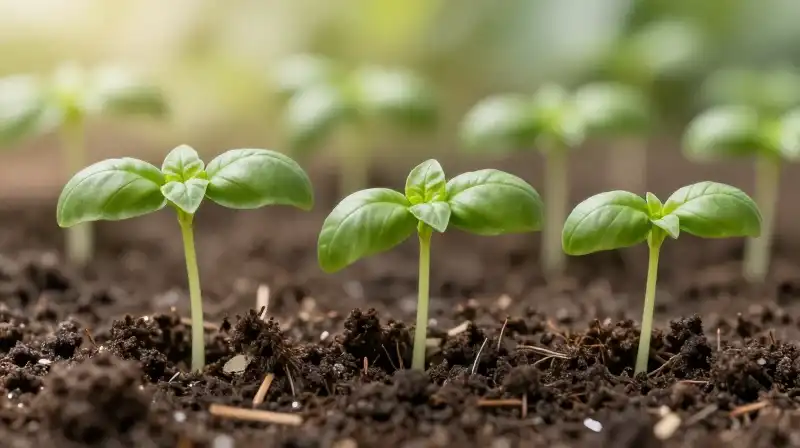 A common mistake in microgreen cultivation is neglecting thinning. While sowing closely together is required to provide a dense mat, these seedlings must be spaced correctly to reach their full potential.
Why Thin: Failure to regularly ‘thin out’ the seedlings results in overcrowding. Overcrowding compromises plant vigor, restricts root development, and can lead to competition for nutrients, ultimately diminishing the bold flavor and texture characteristic of high-quality micro basil.
How to Thin: Once the seedlings have emerged, begin the thinning process regularly, ideally every three to four days. Select the healthiest plants and ensure that adequate space is left for each one to grow unimpeded. This maintains plant strength, promotes continuous leaf growth, and allows for more optimal flavor development.
Optimizing Growth and Maintenance
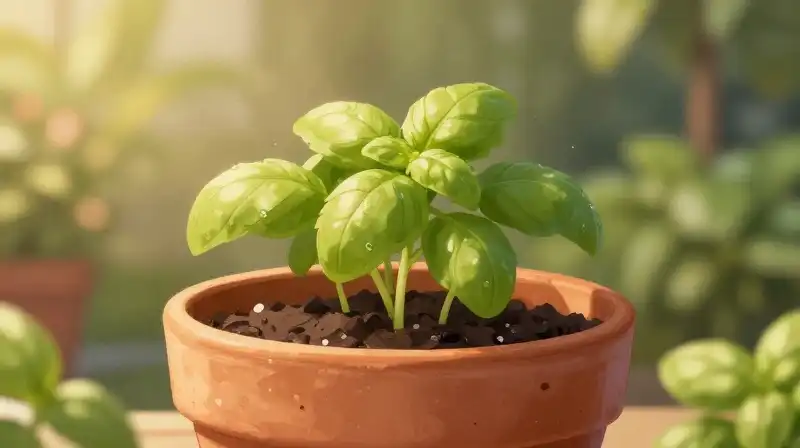 Consistent care is required throughout the life cycle of the micro basil to ensure a continuous harvest of premium leaves.
Moisture Management: Regular watering is mandatory. Monitor the compost daily, ensuring it remains consistently moist but never saturated. Using consistent attention prevents wilting and maintains the plant’s lively green appearance.
Environmental Protection: As basil is a warmth-loving plant, if weather or indoor conditions shift, protect the plants. During cold nights or when wind becomes a factor, ensure the setup remains sheltered and insulated to prevent chilling the tender leaves.
Progressive Harvesting for Sustained Yield
Micro basil microgreens are unique because they allow for progressive harvesting, meaning you can pick leaves over several weeks without killing the plant.
Harvesting Technique: As the leaves gradually become larger and more robust, you should begin harvesting the progressively larger leaves. It is critical that thinnings remain frequent to ensure that as you remove leaves, the remaining plants still have the necessary space and energy to continue growing.
Optimal Time: The leaves are typically harvested when they reach a size suitable for a garnish or incorporation into small dishes, typically after the initial period of vigorous growth.
Culinary Applications of Micro Basil
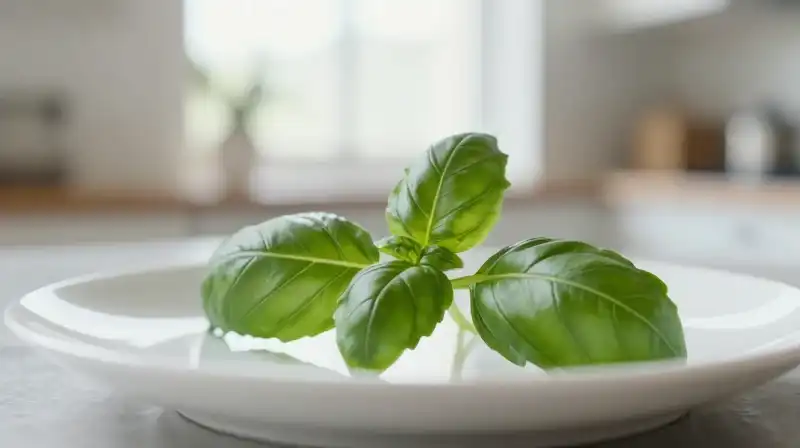 Due to their fresh texture and concentrated flavor, micro basil is highly versatile in the kitchen, making them far more than just a garnish.
Italian Classics: These microgreens are incredibly suitable for adding a punch of flavor to Italian dishes. They work excellently in freshly made spaghetti sauce, where they can integrate into the sauce’s aroma and taste.
Pesto and Salads: Micro basil can be incorporated directly into a homemade pesto, contributing a brighter, more delicate flavor compared to large basil leaves. Furthermore, their vibrant color and peppery notes make them a superb topping for Caprese salads and caprese toast.
Soups and Wraps: Beyond savory sauces, micro basil adds visual appeal and fresh flavor to soups and can be folded into wraps and grain bowls to introduce a burst of aromatic herbaceousness.
Keys to a Successful Micro Basil Harvest
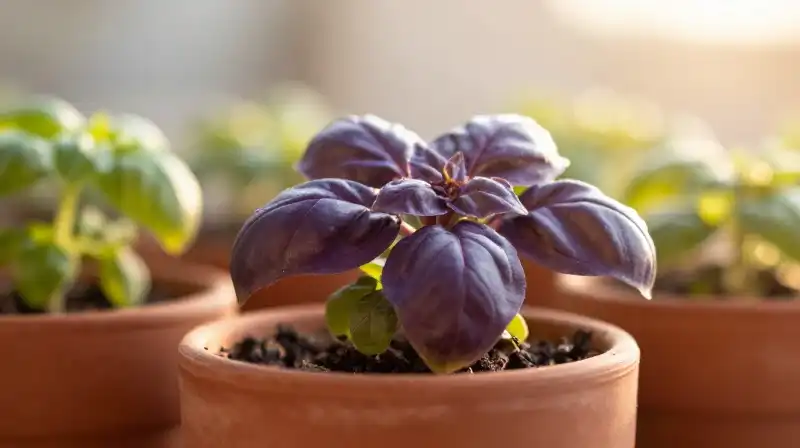 Achieving the intense flavor and beautiful presentation of quality micro basil depends on more than just following a planting guide.
The Thinning Imperative: Maintain vigilant thinning. This is the single most critical maintenance task. Proper spacing maximizes the flavor and vigor of each individual plant, ensuring a high-quality product.
Consistent Climate: Never compromise on warmth and light. Since micro basil is sensitive to cold and weak light, maintaining a stable, warm environment—whether under a bright window or a dedicated grow lamp—is non-negotiable for efficient germination and robust growth.
Sustained Attention: Micro basil requires continuous attention to moisture levels and growth spacing. By maintaining these simple, daily habits, you can reliably produce a flavorful and aesthetically pleasing harvest that elevates your culinary creations.
Explore more: Celtic Symbols for Brotherhood: Meanings and Interpretations
How to Grow Micro Basil Indoors
Establish the Growing Environment
Ensure the growing area is warm and stable. Provide the basil tray with at least three to four hours of direct sunlight, or use supplemental grow lights if natural light is insufficient.
Select Supplies and Prepare Medium
Choose a suitable container (deep or shallow tray) and a growing medium such as Coco Coir or multipurpose compost. Plan to use a high density of seeds for a lush crop.
Sow and Initiate Germination
Scatter seeds evenly across the prepared medium and gently cover them with a light dusting of the soil. Water the tray carefully, ensuring the medium remains damp but not saturated.
Maintain Seedling Vigor Through Thinning
Once seedlings emerge, begin the thinning process regularly, ideally every three to four days. Select the healthiest plants and ensure they have adequate space to grow without overcrowding.
Monitor Moisture and Protection
Keep the growing medium consistently moist, but never let it become waterlogged. Protect the setup from cold nights, strong drafts, or environmental shifts.
Progressive Harvesting
As the leaves become larger and more robust, begin harvesting the progressively larger leaves. Ensure thinnings remain frequent to allow remaining plants the energy to continue growing.
Related Articles