Blue Flowers and Green Foliage: Your Guide to Vibrant Cultivation

Introduction
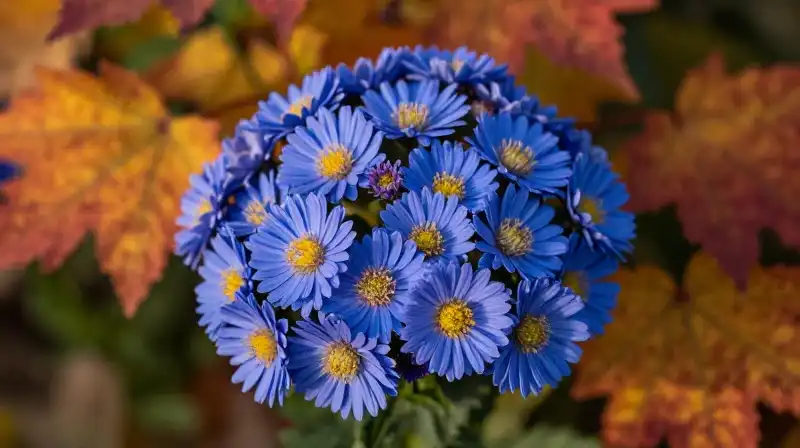
To cultivate a vibrant garden centered around blue flowers, the key lies in balancing the intense color of the blooms with the structural contrast provided by complementary green foliage. A striking blue color requires more than just selecting the right variety; it demands a precise approach to growing conditions, specifically light exposure and soil chemistry. Whether you seek tall spires, dense mounds, or delicate ground cover, understanding the specific requirements for your chosen plants will determine the intensity and longevity of your blue-green display.
Selecting Your Blue Bloom: Form and Function
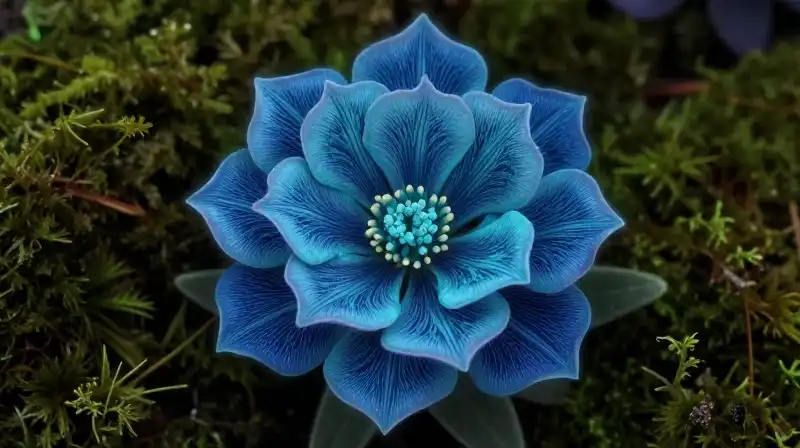 Not all blue flowers achieve the same visual impact, so choosing a variety based on its habit is essential for design planning. Different plant forms dictate how and where the flowers will appear in your landscape.
Habit-Specific Blue Flower Types
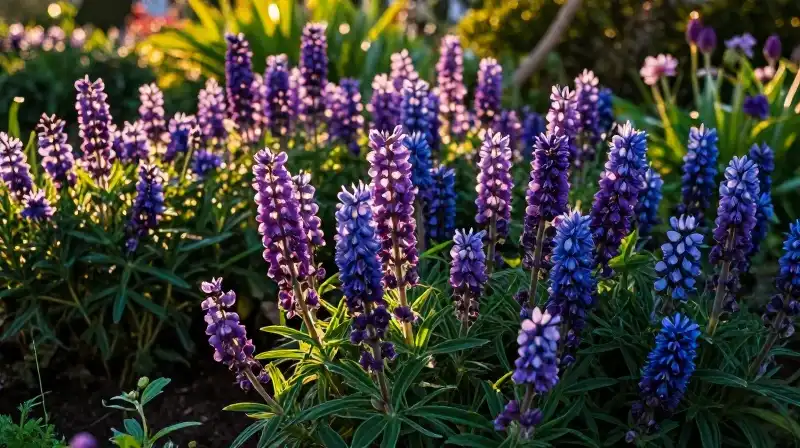
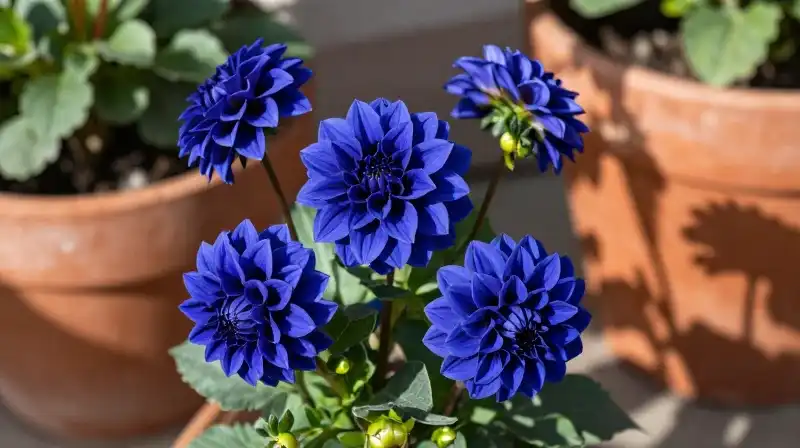
* **Towering Spires:** These vertical forms draw the eye upward and are ideal for the back of a border or focal points in a garden. They provide height and a strong structural presence. * **Dense Blooms/Mounds:** These varieties spread horizontally, creating a lush carpet of color that is excellent for filling large spaces or adding depth to mid-layers. * **Subtle Ground Cover:** These low-growing forms establish a continuous blanket of color, perfect for edging pathways or covering bare soil. * **Shrub and Vine Forms:** Some blue varieties grow like bushes or creep along structures, adding a softer, more enveloping texture to a garden design.
Cultivation Requirements for Blue Flower Intensity
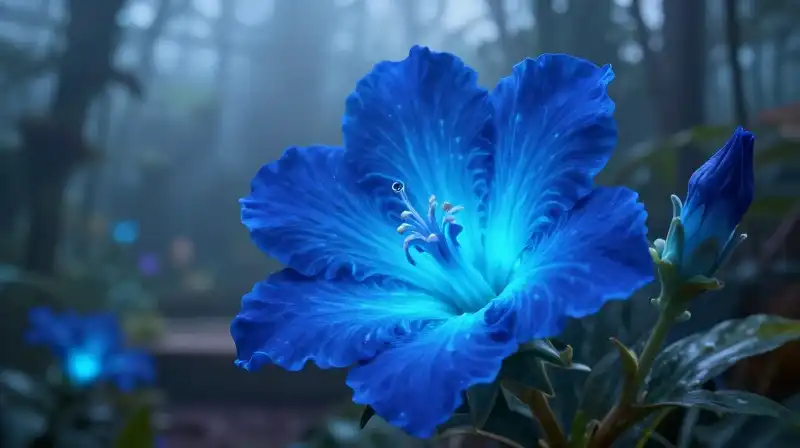 Achieving a “clear blue hue” is not guaranteed and often relies on environmental conditions—particularly sunlight and soil structure.
Light and Moisture Preferences
Most blue flowering plants thrive under one of two specific light conditions.
Prior to planting, determine if your specific species requires full, hot sun to encourage maximum flowering, or if it prefers partial shade to protect delicate blossoms. Moisture needs also vary greatly: some prefer consistently moist, well-drained soil, while others, such as certain arid-climate types, require a dry, well-drained environment to prevent root rot.
Managing Soil Chemistry for Color
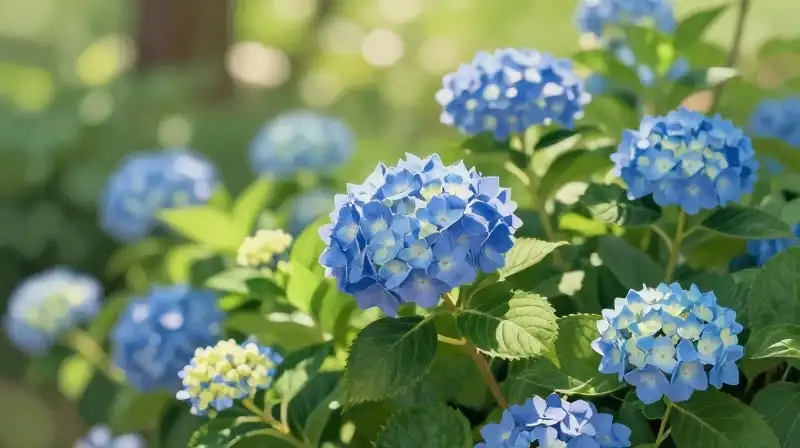
The secret to achieving the most vivid blue colors in certain varieties, most notably hydrangeas, lies in altering soil acidity.
- Acid-Loving Plants: To push blue flowers toward their deepest blue saturation, you must lower the soil pH by adding acidic amendments (like sulfur or aluminum sulfate).
- Neutral and Alkaline Needs: Many other blue varieties require a neutral or slightly alkaline pH. Attempting to force acidity on these plants will prevent them from developing the most robust colors.
Enhancing Foliage: The Role of Green Contrast
The visual appeal of blue flowers is significantly amplified by contrasting green leaves. Many varieties naturally possess contrasting foliage, but selecting plants with healthy, vibrant green leaves can enhance the blue’s intensity.
Why Green Foliage Matters
The color green provides a necessary visual resting point, allowing the blue blooms to “pop.”
Look for plants where the foliage is either a brilliant, saturated green (providing high contrast) or a silvery/chartreuse green (providing a more subtle, softer contrast). Contrasting foliage also provides structure, keeping the overall look from becoming a confusing wash of color.
Maintenance and Longevity
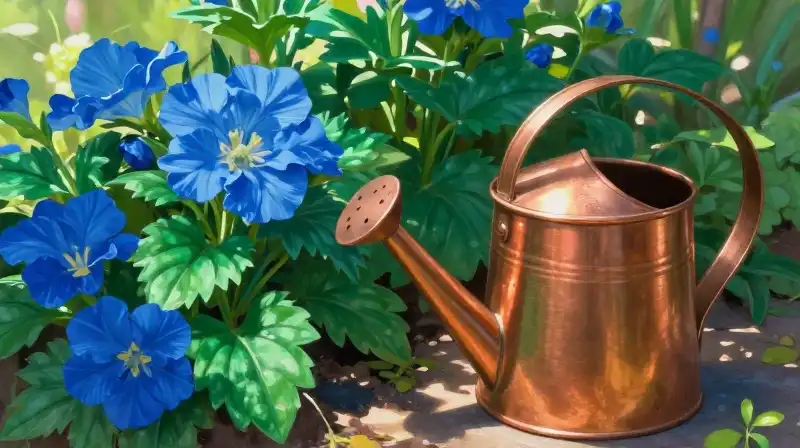 Successful cultivation requires specific ongoing care. Managing blue flowers involves a combination of structural support and bloom renewal.
Essential Growth Practices
To ensure a long season of blooms and healthy plants:
- Deadheading: Regularly removing spent flowers (deadheading) is crucial. This practice signals the plant to redirect energy into producing new buds rather than setting seed, prolonging the flowering cycle.
- Staking and Support: Plants with tall, upright forms or heavy bloom clusters often require staking or cages to maintain their shape and prevent damage from wind or rain.
- Soil pH Monitoring: Because color intensity is so dependent on acidity, regular soil testing is highly recommended, especially in the early seasons, to ensure the growing medium is correct.
Optimizing Blue and Green Pairing: A Practical Approach
When designing a garden, grouping plants with similar environmental needs is the most practical approach.
Consider the relationship between the growth habit and the light requirements when placing plants in groups:
- Full Sun Borders: Group varieties with similar moisture and heat tolerance to create continuous low-maintenance beds.
- Partial Shade Underplanting: Use ground cover or low-growing perennials beneath larger, more shade-tolerant blue varieties to fill gaps and maintain color saturation during the cooler parts of the day.
- Cuttables and Structure: Reserve taller, more dramatic spires or vine-like blue varieties for areas where you plan to harvest flowers for cutting, providing vertical interest alongside denser ground-hugging varieties.
Avoid Common Blue Flower Pitfalls
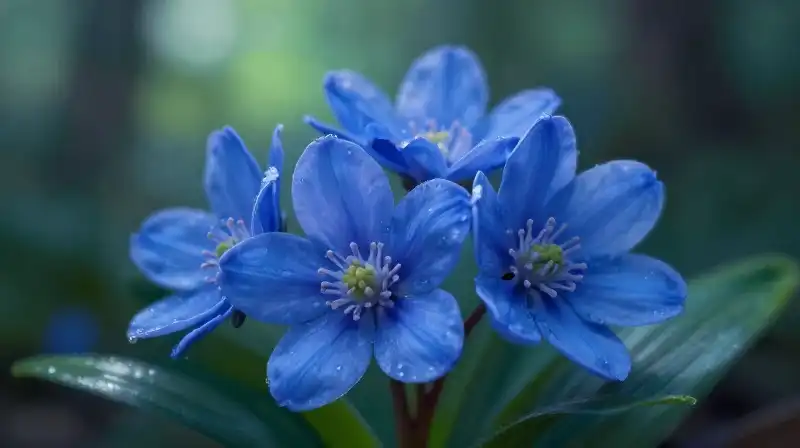 Several factors can prevent blue flowers from achieving their full potential.
Be wary of these frequent gardening errors:
- Ignoring Drainage: Most blue varieties, despite their varying moisture needs, are susceptible to root diseases if the soil remains waterlogged. Always ensure your planting area is well-drained.
- Neglecting Seed Longevity: Many common blue varieties, such as certain Forget-Me-Nots, exhibit a strong tendency to self-seed. While this is wonderful for natural spread, excessive self-seeding can sometimes compete with cultivated plants, requiring careful management if you wish to maintain specific plant forms.
- Over-Fertilizing: Excessive fertilization can encourage lush, green foliage (the plant’s growth phase) at the expense of the vibrant bloom production, diminishing the color impact.
Synthesis for Vibrant Cultivation
 Successfully growing a vibrant garden defined by blue flowers and lush green foliage requires moving beyond simple plant selection toward intentional horticultural management. The most crucial decision is verifying the soil requirements for your specific species—especially regarding acidity—and matching those needs to your garden’s light availability. By prioritizing proper soil pH, consistent deadheading, and deliberate grouping of varieties based on their form (spires versus ground cover), you can ensure a resilient, beautiful, and intensely blue-green landscape throughout the season.
How to Cultivate a Vibrant Blue-Green Flower Garden
Select Plant Form
Determine the plant's habit (tower, mound, ground cover, or vine) to plan its specific placement within the garden design.
Assess Environmental Needs
Identify whether the specific blue flower requires full sun or partial shade, and determine its precise moisture needs (consistently moist vs. arid) to ensure proper placement.
Adjust Soil Chemistry
Alter the soil pH as required; add acidic amendments (like sulfur or aluminum sulfate) to lower pH for acid-loving plants, or use neutral/alkaline soil for others.
Design Plant Groupings
Organize the garden by grouping varieties with similar environmental tolerances, such as creating full-sun borders or partial-shade underplanting.
Establish Proper Drainage
Ensure the planting area is well-drained to prevent root rot, which is a common pitfall for most blue varieties.
Maintain Bloom Cycle
Regularly deadhead (remove) spent flowers to signal the plant to redirect energy into producing new buds, extending the flowering period.
Provide Structural Support
Use staking or cages for plants with tall forms or heavy bloom clusters to maintain shape and prevent damage from weather.
Monitor Soil Conditions
Perform regular soil testing, especially in early seasons, to verify the growing medium is maintaining the correct acidity for optimal color intensity.
Related Articles