What is Nepenthes rajah? Facts on Borneos Giant Carnivorous Plant

Introduction
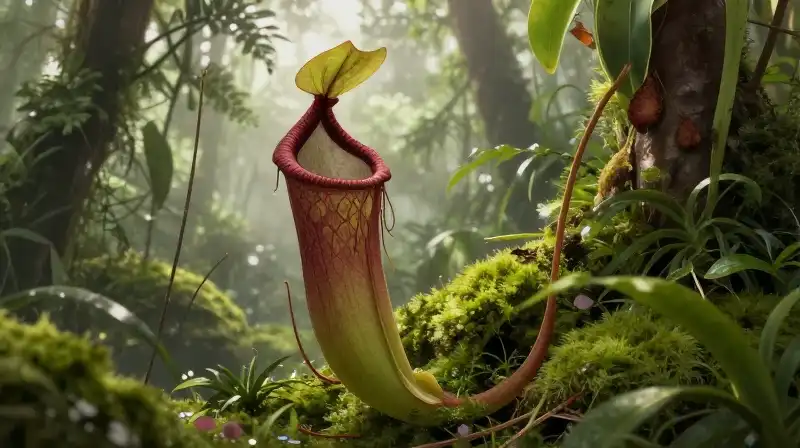
Nepenthes rajah is not merely one of the world’s largest carnivorous plants; it is a spectacular biological specimen native to the high slopes of Borneo. Known for its “King” status—a designation reflected in its name—this plant captivates botanists and collectors alike due to its formidable size, complex ecological role, and unique growth characteristics. Endemic to the Mount Kinabalu region in Sabah, Malaysia, this species represents the pinnacle of the Nepenthaceae family’s impressive ability to adapt to high-altitude environments. While its spectacular urn-shaped pitchers dominate the public imagination, understanding N. rajah requires looking at its intricate relationship with its surroundings and the specialized conditions it demands.
This article explores what makes Nepenthes rajah a globally significant species, covering its distinctive features, its critical role in the Borneo ecosystem, and the specific horticultural realities of growing this magnificent highland plant.
The Distinctive Morphology and Origins of N. rajah
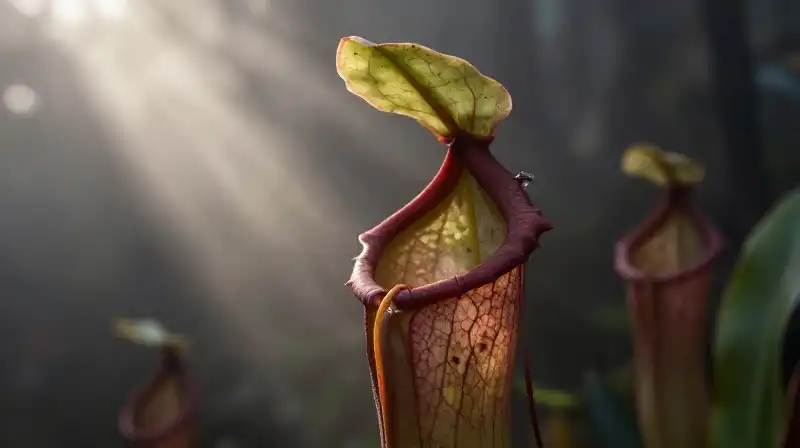
Botanically classified as a Highland Tropical plant, Nepenthes rajah possesses several features that set it apart from other members of the genus. Its most immediate characteristic is its immense scale. The pitchers, or traps, are exceptionally large and urn-shaped, capable of reaching heights exceeding 41 cm (or 4 feet). In the wild, these containers have been observed to hold volumes of liquid greater than three liters, allowing the plant to lure and capture sizable prey.
Beyond the size of the traps, the plant exhibits structural adaptations suited to its scrambling growth habit. It typically features thick, leathery, and distinctive peltate leaves. The term rajah in Malay translates to “King,” a fitting tribute to the plant’s commanding physical presence and the dramatic way it utilizes its massive, ground-based traps. It is worth noting that while the large pitchers dominate, the species can also produce rare, smaller aerial “upper” pitchers alongside the massive “lower” traps.
A Specialist of the Highlands: The Ecology of Borneo
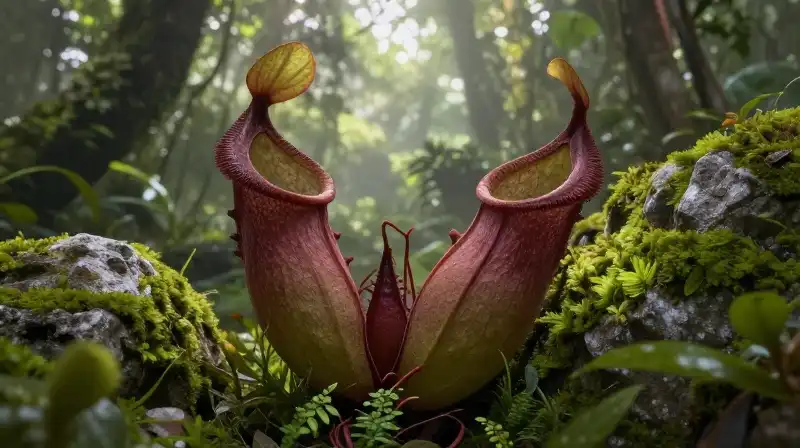
Nepenthes rajah is an indicator species, requiring extremely specific conditions to thrive in the wild. It is endemic to the high-altitude regions of Mount Kinabalu and the neighboring Mount Tambuyukon in Sabah, Malaysian Borneo. Its survival is tied to several unique environmental factors:
- Soil and Climate: It grows on serpentine soils, which are rich in heavy metals such as nickel and chromium. This specific soil chemistry influences the plant’s growth and is integral to its life cycle. It thrives as a montane species, needing warm days (25–30 °C) balanced with cool nights (10–15 °C).
- Mutualism with Fauna: One of the most fascinating facts about N. rajah is its symbiotic relationship with mountain treeshrews and summit rats. These animals are attracted to the sugary nectar produced by the plant. In turn, their excrement provides a source of essential nitrogen, which is then absorbed by the plant—a rare instance of a mutualistic relationship driving the plant’s carnivorous efficiency.
- Conservation Status: Due to its limited native range and vulnerability, Nepenthes rajah is officially listed as an endangered species on the IUCN Red List and is protected under CITES Appendix I.
Cultivating the Giant: Practical Considerations for Growers
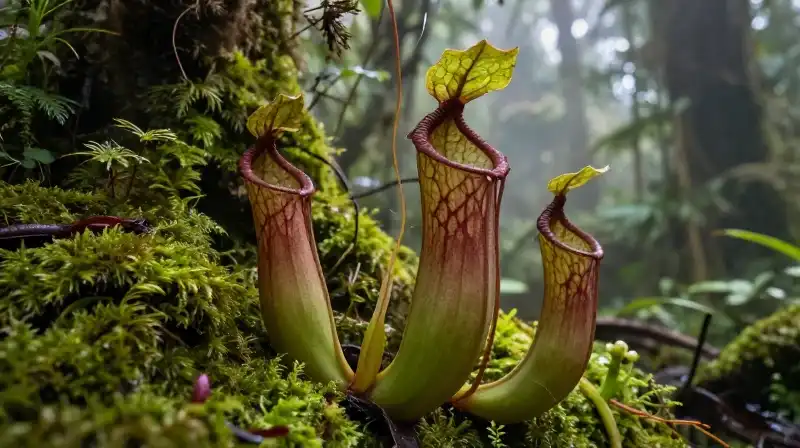
While the magnificence of Nepenthes rajah makes it a highly sought-after plant, its cultivation presents specific challenges. It is a slow grower, particularly during the juvenile stage, which often requires patience. Unlike common garden plants, it requires a highly specialized environment that mimics the conditions of its native habitat.
To successfully cultivate this highlander, growers must prioritize consistent environmental stability and appropriate substrates:
- Environmental Requirements: The plant requires high levels of humidity (aiming for around 75% relative humidity) and consistent direct sunlight, reflecting its need for high-altitude warmth and intense light.
- Substrate and Growth: Specialized substrates, typically sphagnum mixes, are recommended. Because of its large and extensive root structure, consistent repotting and good root health are critical for preventing distress.
- Temperature: Maintaining the diurnal temperature swing—warm days and significantly cooler nights—helps signal the plant that it is in a montane environment, promoting steady, resilient growth.
It is important to note that while *Nepenthes rajah* is known to capture various prey—including insects, geckos, and even small vertebrates like frogs—its presence in controlled environments is purely aesthetic, and careful monitoring of its environment is paramount.
Summary of Key Facts and Buying Considerations
For prospective buyers and serious enthusiasts, differentiating N. rajah from other species and understanding its market context is essential. The plant is a cornerstone of the Nepenthaceae family, recognized globally for its unique size and ecological function.
| Attribute | Details |
|---|---|
| Scientific Name | Nepenthes rajah |
| Native Range | Mount Kinabalu & Mount Tambuyukon, Borneo |
| Growth Type | Scrambling, High-altitude |
| Conservation Status | Endangered (IUCN) / CITES Appendix I |
| Cultivation Priority | High Humidity & Specific Thermal Swings |
While propagation has been increased through tissue culture collaborations, N. rajah remains a high-value and sensitive species. Collectors should approach its acquisition with an understanding of its stringent environmental demands and its critical status in the wild.
Frequently Asked Questions
What is Nepenthes rajah?
Nepenthes rajah is a spectacular, high-altitude carnivorous plant native to the Mount Kinabalu region of Borneo, recognized as one of the worlds largest. It is known for its immense, urn-shaped pitchers that can reach heights exceeding 41 cm and its unique ecological role in the environment.
How to Cultivate Nepenthes rajah
Maintain Environmental Stability
Ensure the plant is kept in a highly specialized environment mimicking its native highland habitat.
Control Humidity and Light
Provide high levels of humidity (aiming for around 75% relative humidity) and consistent direct sunlight.
Select Appropriate Substrate
Use specialized substrates, typically sphagnum mixes, suitable for its large and extensive root structure.
Maintain Temperature Swings
Support a diurnal temperature swing, balancing warm days with significantly cooler nights to promote steady growth.
Manage Growth and Root Health
Perform consistent repotting and monitor root health carefully to prevent the plant from experiencing distress due to its specific needs.
Related Articles