Growing Strawberries Indoors: Guide to Year-Round Harvest

Introduction
Achieving a year-round harvest of fresh strawberries indoors is a practical solution for urban gardening, allowing for the consistent supply of farm-style flavors regardless of external climate or season. While strawberries are traditionally viewed as an outdoor plant, successfully cultivating them within a home relies on mimicking, and often optimizing, their natural growing conditions. This detailed guide outlines the necessary steps, systems, and environmental controls required to transition strawberries from a seasonal garden to a reliable, indoor cultivation method.
Will Strawberries Grow Well Indoors?
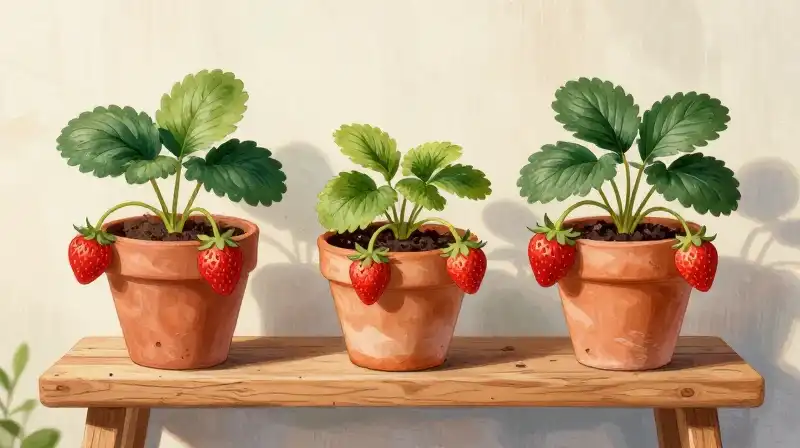
The short answer is yes, but it requires a structured approach. Strawberries will thrive indoors provided you can precisely control three critical environmental factors: light intensity, temperature, and moisture. Simple placement on a windowsill is usually insufficient for productive yields. To ensure robust growth and high-quality fruit, the growing environment must be actively managed, whether you choose a traditional soil method or a specialized hydroponic system.
The viability of indoor growing hinges on understanding that you are essentially creating a controlled microclimate. This moves the process beyond simple gardening into applied botany, requiring attentive management to avoid common pitfalls like low light, nutrient deficiencies, or overly damp roots.
Choosing Your Cultivation Method: Soil vs. Hydroponics
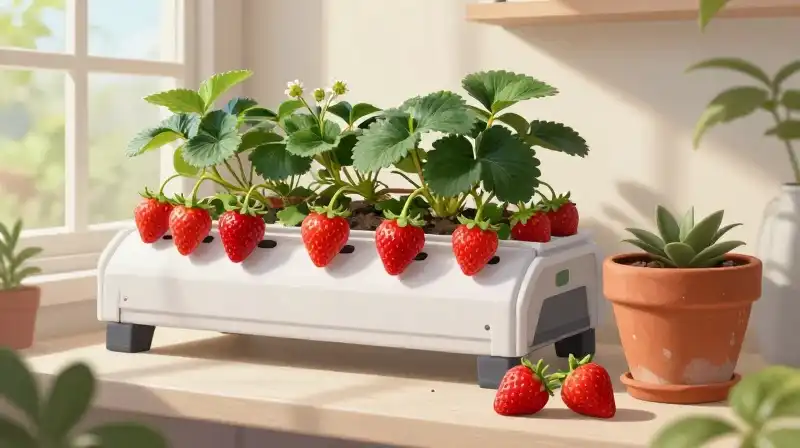
The choice between traditional soil and advanced hydroponics depends on the desired level of effort and technological integration. Both methods allow for successful growing strawberries indoors, but they offer distinct advantages in efficiency and control.
Soil-Based Indoor Gardening
This method is suitable for beginners and those who prefer a more familiar gardening technique. It involves traditional potting mix, ensuring the roots have the necessary aeration and texture. Requirements include a well-draining container and consistent monitoring of soil moisture. Strawberries require about 10 cm (4 inches) of depth to establish a strong root system and accommodate multiple harvests.
Hydroponics and Automated Systems
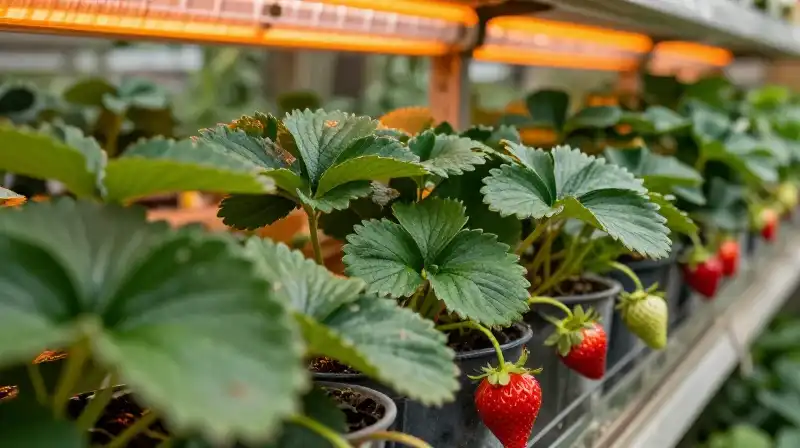
For maximal efficiency and year-round consistency, hydroponics is the superior choice. Automated indoor garden systems (like vertical farms) manage nutrient delivery, pH levels, and water circulation, dramatically reducing the time and expertise needed for cultivation. These systems are ideal for serious growers who want high yields in minimal space and require precise control over the plant’s nutritional intake.
Comparison of Indoor Methods
| Feature | Soil Cultivation | Hydroponics/Automated Systems |
|---|---|---|
| Initial Setup | Relatively simple; standard potting mix | More complex; requires equipment and plumbing |
| Nutrient Delivery | Occasional fertilization; relies on soil composition | Precision, automated delivery (highly consistent) |
| Space Optimization | Limited by container size | Excellent (often vertical growing) |
Essential Requirements for Indoor Growth
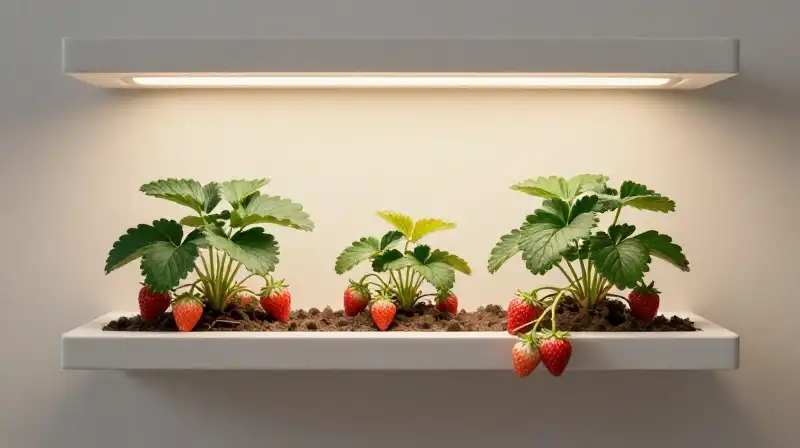
To make strawberries grow successfully indoors, you must address the specific needs of the plant in a controlled environment. These requirements go beyond basic temperature management.
Optimal Light Management
Light is the most crucial element in indoor strawberry cultivation. Standard ambient home lighting is almost never sufficient to produce viable fruit indoors. You must implement specialized grow lights. The ideal light intensity (DLI - Daily Light Integral) must be maintained throughout the day.
When selecting grow lights, prioritize LEDs designed for vegetative and fruiting stages. These lights provide the spectrum necessary for photosynthesis and fruit ripening. If using a horizontal setup, ensure light reaches the underside of the leaves to encourage vertical growth and fruit development.
Space and Orientation for Yield
Indoor strawberry plants need space not just horizontally, but often vertically, to maximize density. Consider tiered shelving or vertical growing kits. Even in a horizontal setting, plants spread outwards, so adequate container size is necessary to prevent the roots from being constricted as the plant matures.
A successful arrangement allows air circulation around the plants, which is critical to preventing common indoor issues like fungal diseases and mold.
Structuring the Growing Process Step-by-Step
Regardless of whether you select soil or hydroponics, the growing timeline involves several predictable stages.
- Starting the Plants: Start from healthy seedlings or certified starter kits for quicker establishment. Growing from seed indoors requires patience and a longer initial grow cycle before fruiting can begin.
- Potting and Placement: Place the plants in adequately sized containers. Set up your lighting system and establish a consistent feeding schedule (fertilizer or nutrient solution).
- Maintenance: Monitor moisture levels daily or via your automated system. Ensure the temperature remains stable (ideal temperature ranges are typically slightly cooler for vegetative growth and slightly warmer for flowering/fruiting).
- Harvest: Berries usually ripen quickly once they begin setting, but consistent monitoring is required to know exactly when they are ready for peak flavor and ripeness.
Addressing Common Indoor Strawberry Growing Errors
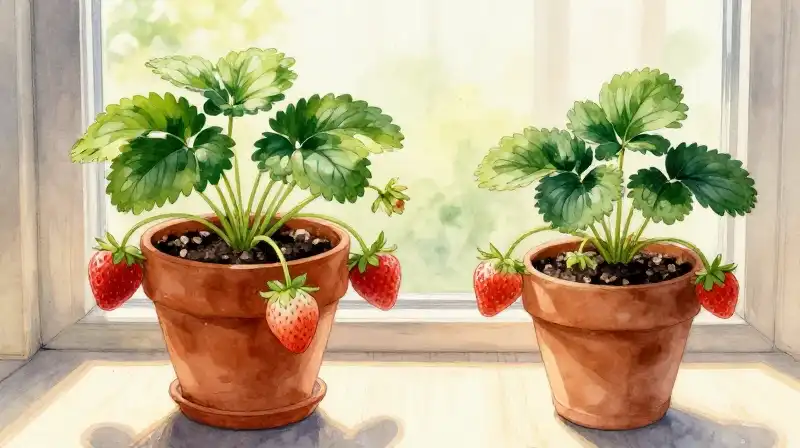
The greatest barriers to success in indoor strawberry cultivation are often simple, yet easily overlooked, factors.
Frequent Errors to Avoid:
- Insufficient Light Intensity: This is the most common failure. Plants will grow leafy but never set fruit without adequate high-intensity lighting.
- Overwatering: Too much moisture leads to root rot, which is detrimental to root health and can kill the plant. Ensure your containers have proper drainage or that your automated system maintains strict moisture limits.
- Nutrient Imbalance: While some beginners manage soil nutrients successfully, automated systems or consistent fertilization is required to provide the precise macro and micronutrients needed for vibrant fruit development, especially once the plants transition into the fruiting stage.
Practical Synthesis and Operational Checklist
To summarize the path to a reliable year-round strawberry harvest, view the project as an optimized environmental system. Success depends on the consistent management of light and nutrient delivery.
Before beginning your indoor cultivation project, confirm the following practical criteria:
- Light Source: Is there a dedicated grow light system providing adequate intensity?
- Nutrient Control: Is your feeding method (soil or liquid) precisely calibrated for the current growth stage?
- Airflow: Are you using circulation fans to ensure no stagnant, humid pockets form around the foliage?
- System Selection: Do you require the minimal effort of an automated system, or are you prepared for the manual monitoring of a soil setup?
By addressing these operational checkpoints, you transform a casual gardening effort into a successful indoor agricultural operation, guaranteeing a continuous supply of fresh, high-quality strawberries throughout the year.
Explore more: Traditional Día de los Muertos: Symbols, History, and Custom
Frequently Asked Questions
Will strawberries grow well indoors?
The short answer is yes, strawberries can grow indoors, provided that light intensity, temperature, and moisture are precisely controlled. Simply placing them on a windowsill is usually insufficient for achieving productive yields.
How to grow strawberries indoors
Starting the Plants
Start from healthy seedlings or certified starter kits for quicker establishment. Growing from seed indoors requires patience and a longer initial grow cycle before fruiting can begin.
Potting and Placement
Place the plants in adequately sized containers. Set up your lighting system and establish a consistent feeding schedule (fertilizer or nutrient solution).
Maintenance
Monitor moisture levels daily or via your automated system. Ensure the temperature remains stable (ideal temperature ranges are typically slightly cooler for vegetative growth and slightly warmer for flowering/fruiting).
Harvest
Berries usually ripen quickly once they begin setting, but consistent monitoring is required to know exactly when they are ready for peak flavor and ripeness.
Related Articles