Black Spots on Basil Leaves: Identifying Causes and Effective Remedies

Introduction
If black spots on basil leaves appear, it is often a sign of a sudden shift in environmental conditions or plant health, but not always a pest problem. To correctly identify the issue and find the right treatment, you must determine the physical pattern of the damage. Most black spots are not the result of one single cause; instead, they usually point toward one of three primary culprits: early frost damage, fungal infection, or specific nutrient deficiencies. By analyzing where and how the spots manifest, you can quickly diagnose the problem and begin the process of saving your plant.
Identifying the Root Cause of Black Spots on Basil
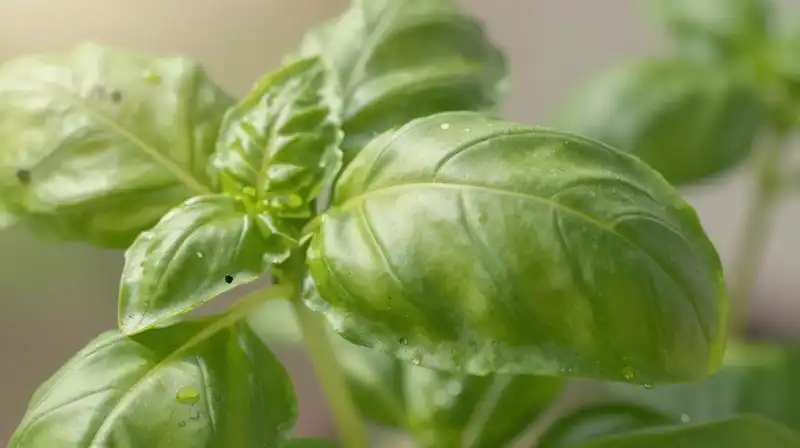
The key to successfully treating black spots on basil lies in distinguishing the symptom from the cause. A generalized approach often fails, so carefully observe the pattern of the discoloration:
Frost Damage: Look for Edge Damage
Frost is a sudden environmental stress that typically affects the most tender tissue. If your plant was exposed to temperatures near freezing, the damage manifests in a very specific way:
- Location: Damage is almost exclusively found on the tips and outer edges of the uppermost, newest leaves.
- Appearance: The spots or brown discoloration appear crisp and brittle.
- Timing: This damage occurs rapidly, usually overnight or immediately following a cold snap.
Because cold damage is localized to the newest, most exposed parts of the plant, this pattern is a clear indicator of a sudden drop in temperature rather than a systemic illness or nutritional failure.
Fungal Infections: Check the Underside of the Leaf
Fungal diseases, such as downy mildew, are highly likely if the black spots are scattered across the entire leaf surface, particularly if they develop in shaded or moist environments. These fungi thrive in high humidity and poor air circulation:
- Location: Spots can appear anywhere on the leaf, though they often begin on the underside.
- Appearance: They may start as grey or light brown patches and eventually darken. A crucial diagnostic sign of a fungal infection is if the spots extend off the leaves and onto the plant stems.
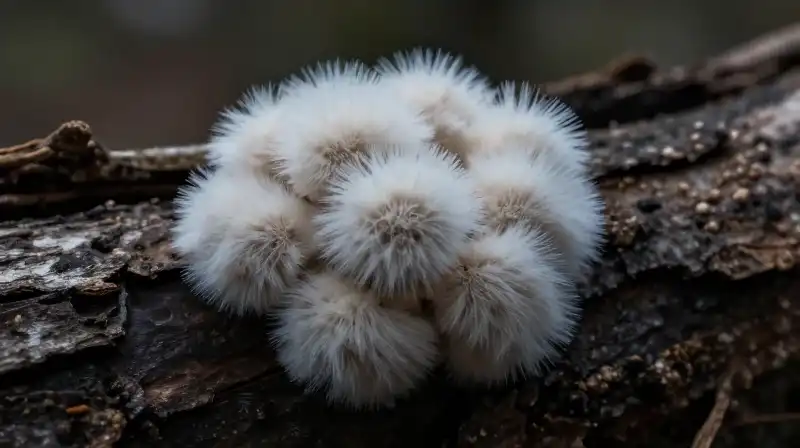
- Indicators: The presence of a fuzzy or powdery substance on the underside of the affected tissue confirms a fungal issue.
Nutrient Deficiencies: Look for Overall Wilting
Poor nutrition is a less common cause of sudden, localized black spots, but it is worth considering if the plant appears generally unhealthy. Unlike fungal spots that are confined to the leaf surface, nutrient deficiencies are systemic, affecting the plant’s overall vigor:
- Pattern: Instead of distinct spots, the leaves may turn a paler green, yellow, or simply begin to wither and decline across the entire plant.
- Cause: Lack of essential elements restricts the plant’s ability to maintain healthy cell structure.
Decision Criteria: How to Tell the Difference
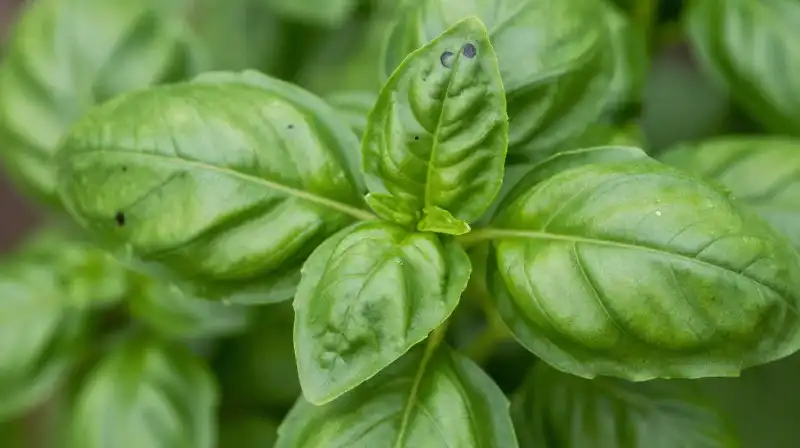
When evaluating black spots on basil, use this quick diagnostic guide to decide which category to treat first:
| Symptom Observation | Likely Cause | Next Step |
|---|---|---|
| Crisp, dark edges only on new growth. | Frost Damage | Move plant indoors and prune damaged tissue. |
| Scattered spots, often starting on the underside, spreading to stems. | Fungal Infection | Prune infected tissue and improve air circulation. |
| General leaf yellowing or withering, no sharp spots. | Poor Nutrition | Apply aged compost and check watering methods. |
Targeted Remedies for Basil Black Spots
Treating Frost-Damaged Basil
If the spots are due to cold stress, the damage is often irreversible, but the plant can be saved from further harm:
- Relocation: Immediately move the affected basil plant to a warm, protected location, ensuring temperatures remain stable and above 50°F (10°C).
- Pruning: Carefully cut away the brown, discolored, and shriveled leaves. This prevents the damaged tissue from taking up energy that should be used for healthy growth.
- Protection: Maintain consistent warmth and moisture to help the remaining healthy parts of the plant recover.
Managing Fungal Infections and Mildew
Controlling fungal issues requires immediate intervention to stop the spread of spores:
- Removal: Prune all affected plant tissue immediately. If you suspect a widespread infection, it is often best to remove the entire plant to prevent it from infecting healthy surroundings.
- Sanitation: Treat the affected area of the plant and surrounding soil with a diluted organic fungicide or a solution of water and mild soap.
- Airflow: Ensure high levels of air circulation. Do not allow the foliage to sit in stagnant, overly moist air, which is ideal for mold growth.
- Hydration: Switch from overhead watering to drip irrigation. Direct watering into the soil helps keep moisture off the leaves where fungal spores take hold.
Correcting Nutrient Deficiencies
If the spots are a symptom of nutritional lack, focusing on soil health and proper feeding is essential:
- Soil Amendment: Remove the damaged parts and increase plant spacing to allow for better root development. Apply well-aged, organic compost to stimulate the soil’s natural ability to supply nutrients.
- Consistency: Basil requires full, direct sunlight to thrive. Ensure the plant receives the necessary sun and is not being stressed by poor lighting.
- Water Control: Maintain consistent, moderate watering. Avoid overwatering, which can lead to root issues and inhibit nutrient uptake, contributing to general decline.
Protecting Basil from Black Spots: Prevention and Maintenance
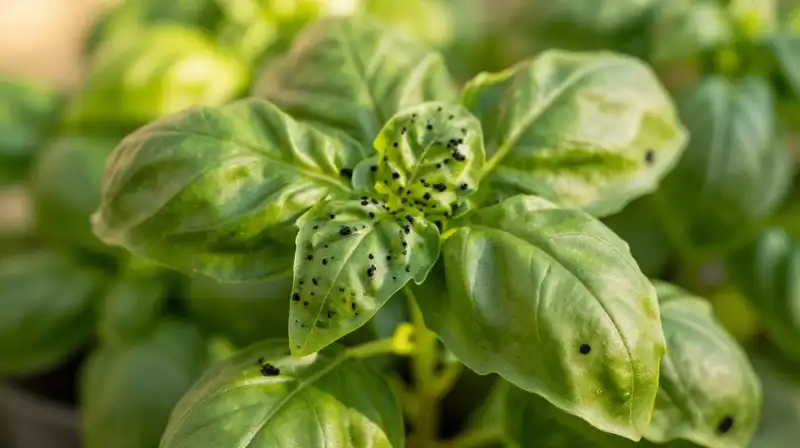
Preventing the return of black spots relies on creating the optimal environment for robust growth:
- Water Wisely: Use drip irrigation or deep soaking at the base of the plant. Never spray water directly onto the leaves.
- Promote Airflow: Avoid overcrowding your plants. Good airflow is the best defense against both fungal diseases and moisture-related stress.
- Mulch and Health: Applying organic mulch around the base of the basil helps maintain soil moisture and temperature consistency while keeping moisture away from the foliage itself.
- Sunlight: Ensure your basil receives at least six hours of direct sun daily. Stress from insufficient light makes plants more susceptible to all forms of disease.
Practical Warnings and Health Considerations
If you are considering using the basil for culinary purposes, it is important to address safety concerns. If you suspect fungal infection (white or gray powdery growth) or significant rot, it is advisable to prune the affected parts severely. If the black spots are severe, widespread, and accompanied by strong, unusual odors, discard the leaves, as toxins from aggressive fungal growth may be present. Always consult gardening experts or food safety guidelines if you are unsure about the origin of the black spots on your harvest. Consistency in care—monitoring air quality, temperature, and watering—is the primary safeguard for healthy basil.
How to Manage Fungal Infections on Basil
Removal
Prune all affected plant tissue immediately. If infection is widespread, consider removing the entire plant to prevent the spread.
Sanitation
Treat the affected area and surrounding soil with a diluted organic fungicide or a solution of water and mild soap.
Airflow
Ensure high levels of air circulation by avoiding stagnant, overly moist air, which encourages mold growth.
Hydration
Switch from overhead watering to drip irrigation, as directing water into the soil helps keep moisture off the leaves where fungal spores thrive.
Related Articles