Growing Fan Aloe (Aloe plicatilis): Cultivation Guide and Care Tips

Introduction
> Fan Aloe, scientifically known as *Kumara plicatilis* (though often still referred to by its original name *Aloe plicatilis*), is a striking, tree-like succulent characterized by its unique, sculptural foliage. Native to the winter rainfall areas of South Africa’s Western Cape, this plant brings dramatic visual interest to garden spaces. If you are planning to cultivate Fan Aloe, understanding its specific environmental needs—particularly its requirement for well-drained soil and its preference for seasonal rainfall—is essential for successful growth. This guide provides a comprehensive overview of its cultivation requirements, from initial planting to long-term seasonal care, ensuring you can achieve its characteristic architectural silhouette in your garden.
Understanding the Fan Aloe Identity
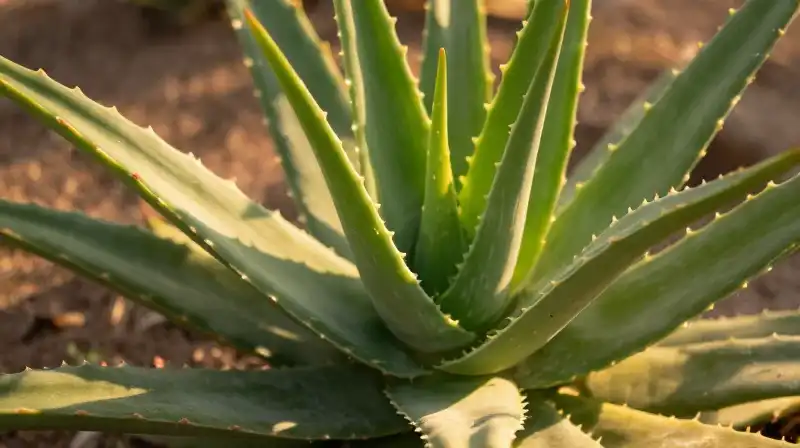 > Before planting, it is helpful to clear up some common misconceptions regarding this species. The common name *Fan Aloe* refers to the plant’s highly distinctive, fan-like leaves. However, it is important to note the scientific nomenclature: the plant has been reclassified as *Kumara plicatilis*. Regardless of the name used by growers, the plant is a slow-growing, cold-hardy specimen.
To help guide your selection and research, here is a quick comparison of the plant’s identity and typical growth pattern:
| Attribute | Description | Practical Implication |
|---|---|---|
| Scientific Name | Kumara plicatilis (formerly Aloe plicatilis) | Used for precise horticultural research and propagation. |
| Growth Type | Slow-growing, tree-like succulent | Best used as a specimen plant for long-term impact. |
| Foliage | Gray-green, fan-like, opposing pairs | Provides a striking, sculptural element to the garden. |
| Origin | Western Cape Mountains, South Africa | Thrives in areas with winter rainfall and dry summers. |
Cultivation Requirements and Environmental Decisions
> Success with Fan Aloe hinges on choosing the right placement and soil structure, which are dictated by its South African native environment. While the plant is an outdoor favorite, its suitability depends on your climate and light availability.
Sun Exposure and Temperature: Fan Aloe requires full sun to maintain robust color and a healthy growth rate. In hotter, inland climates, ensure the plant is protected from the most intense afternoon sun, especially if it is not fully established. The plant is remarkably hardy, tolerating temperatures down to approximately 23°F. However, while it tolerates light frosts, it is best placed in areas that do not experience prolonged, severe freezes.
Indoor Versus Outdoor Growing:
- Outdoor Placement: This is the ideal scenario. Place it in sunny, open garden spots or rocky slopes where it can reach its full 8–10 foot potential.
- Container/Indoor Use: Fan Aloe can be grown indoors or on protected patios, but only if it receives several hours of bright, direct light. Due to its nature as a slow-growing, substantial plant, it performs best in a large pot in a well-lit outdoor space. Never confuse its cultivation needs with other popular indoor succulents.
Optimal Soil and Watering Strategies
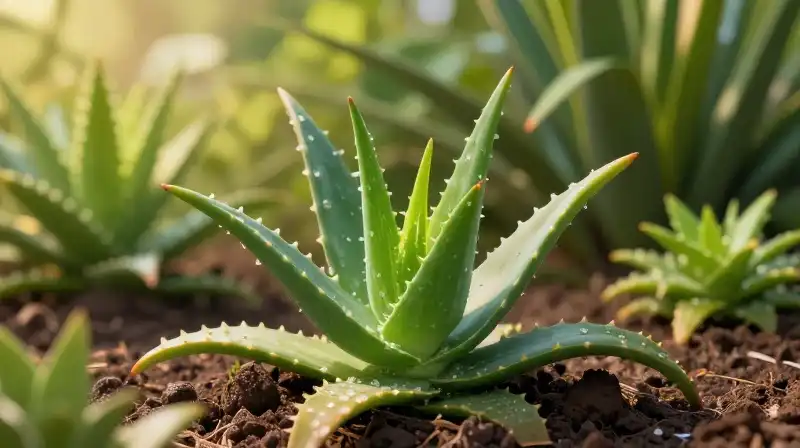 > Proper drainage is the single most critical factor in the care of *Kumara plicatilis*. As a succulent, it is highly susceptible to root rot if its environment becomes overly saturated.
The Soil Mix: The plant requires exceptionally well-drained soil. Simply amending standard garden soil is often insufficient. Use a base of native, crushed soil mixed with volcanic rock or large quantities of coarse gravel/crushed volcanic rock. This ensures that moisture rapidly moves away from the roots.
Seasonal Hydration Guide: Watering needs change dramatically with the seasons:
- Winter/Spring (Growing Season): If rainfall is inconsistent, provide thorough irrigation monthly. This is when the plant is actively growing and producing flowers.
- Summer/Dry Period: Water infrequently. Once established, the plant tolerates weeks of drought. Overwatering during hot, dry spells is the most common cause of decline.
- Best Practice: Always check the soil moisture before watering; wait until the soil is completely dry several inches down.
Addressing Common Cultivator Questions (FAQs)
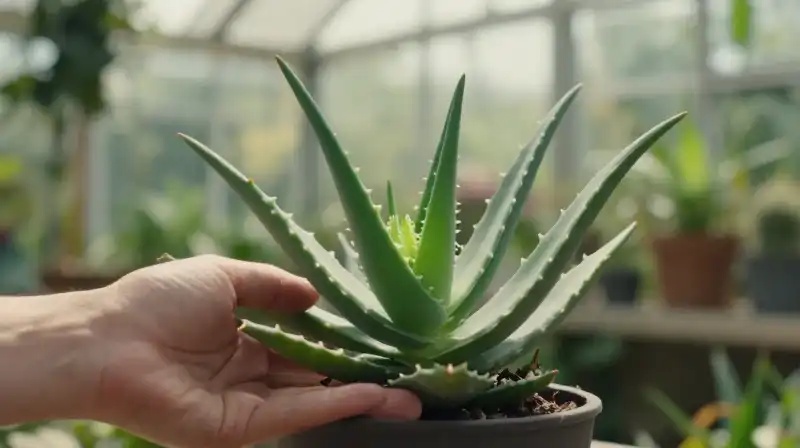 > Several common questions arise when beginning the care of Fan Aloe. Clarifying these points helps prevent the confusion between different plant species and care methods.
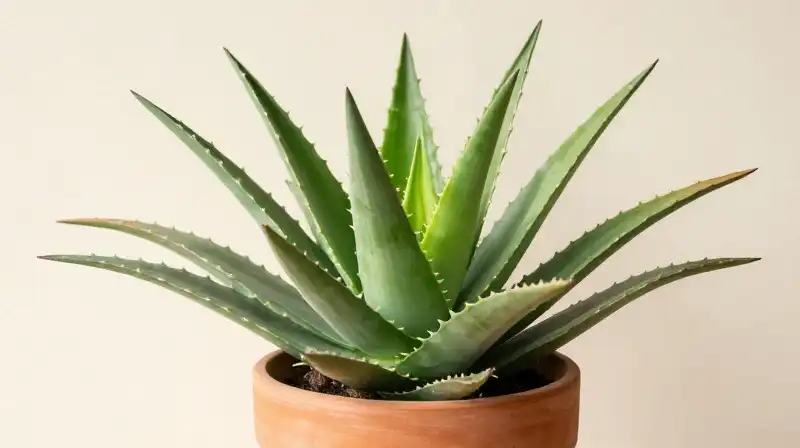
Is Fan Aloe the same as Aloe Vera? > No, these are two distinct plants. *Aloe plicatilis* is a dramatic, tree-like specimen valued for its architectural foliage and orange-red flowers. Aloe Vera, conversely, is a medicinal succulent with fleshy leaves containing gel, widely used for topical applications. They belong to different cultivation groups.
What is the medicinal use of Fan Aloe? > Unlike Aloe Vera, there is no widely recognized or common use for Fan Aloe as a medicinal plant. Its primary value is horticultural, prized as a unique specimen in the garden.
How do I manage pests like aphids on Fan Aloe? > While *Kumara plicatilis* can occasionally be bothered by soft-bodied pests like aphids, they are usually not a severe issue. If found, pests can be managed by physically wiping them off the flat, wide leaves using a strong stream of water or by removing the infested parts of the plant.
Long-Term Maintenance and Aesthetic Care
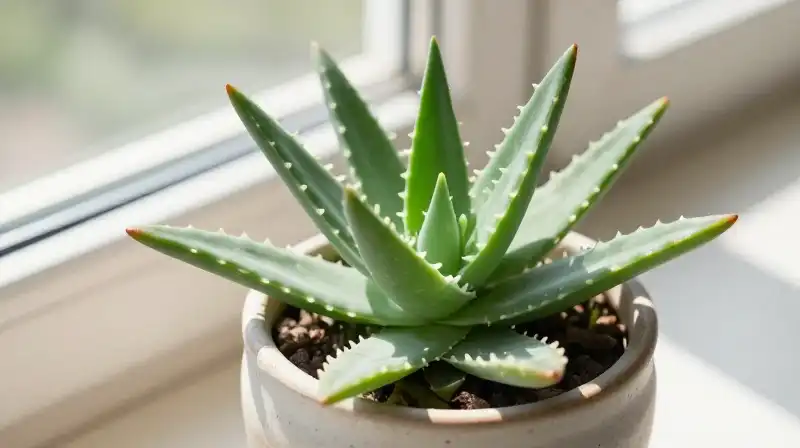 > As Fan Aloe matures, certain maintenance tasks will keep it looking its best, focusing on seasonal shifts and the plant’s natural development.
Seasonal Growth Cycles: The Fan Aloe is considered a winter grower, meaning it achieves its best height (typically 10–20 cm annually) and strongest growth during the spring and summer months. In late winter or early spring, look for its characteristic orange-red tubular flowers emerging from an erect, open terminal cluster.
Pruning and Leaf Management: Over time, older, lower leaves may naturally develop a ‘skirt’ of dead foliage. This is a natural process. Periodically trimming these dead leaves improves the plant’s aesthetic appeal and encourages new upward growth. Never strip the plant of all foliage, as this is necessary for the plant’s survival.
Critical Success Factors and Practical Warnings
> To ensure your Fan Aloe thrives, focus on these critical decision points and potential pitfalls.
Avoid the Pitfall of Overwatering: This is the single greatest threat to the plant. Always trust your eyes and the dry soil before giving it water. The requirement for low-water tolerance is not a suggestion, but a survival mechanism.
Establish the Plant Properly: When first planting, ensure the hole is dug to the correct depth and that the plant is positioned correctly, allowing roots to spread horizontally into the well-draining soil. Because it is a slow grower, early establishment is crucial for its longevity and size.
Placement Priority Summary:
- Priority 1 (Must Have): Excellent drainage (crushed rock/volcanic aggregate).
- Priority 2 (Optimal): Full sun exposure.
- Priority 3 (Important): Seasonal watering tailored to your local rainfall (Winter: Monthly; Summer: Infrequent).
Explore more: Traditional Día de los Muertos: Symbols, History, and Custom
Frequently Asked Questions
What is the medicinal use of Aloe plicatilis?
There is no widely recognized or common use for Fan Aloe as a medicinal plant. Its primary value is horticultural, as it is prized for its unique specimen status in the garden.
Is Aloe plicatilis indoor or outdoor plant?
Fan Aloe is ideally suited for sunny, open garden spots outdoors, but it can also be grown indoors or on protected patios. When grown inside, it requires several hours of bright, direct light to maintain a healthy growth rate.
Is Aloe plicatilis the same as aloe vera?
No, they are two distinct plants; Aloe plicatilis is a dramatic, tree-like specimen valued for its architectural foliage and orange-red flowers, while Aloe Vera is a medicinal succulent with fleshy leaves used for topical applications.
How to Grow Fan Aloe
Prepare the Growing Medium
Create exceptionally well-drained soil by mixing a base of native, crushed soil with volcanic rock or large quantities of coarse gravel.
Determine Placement
Place the Fan Aloe in a spot receiving full sun. Ideally, this is an open outdoor garden spot, but in containers, ensure it gets several hours of bright, direct light.
Establish the Plant
When planting, ensure the hole is dug to the correct depth. Position the plant so that roots can spread horizontally into the well-draining soil.
Monitor Soil Moisture
Before watering, always check the soil moisture. For proper care, wait until the soil is completely dry several inches down before providing irrigation.
Adjust Seasonal Hydration
During the growing season (winter/spring), provide thorough irrigation monthly if rainfall is inconsistent. During the summer/dry period, water infrequently, allowing the plant to tolerate extended periods of drought.
Perform Aesthetic Maintenance
Periodically trim older, lower leaves that naturally develop a 'skirt' of dead foliage. This improves the plant's appearance and encourages new, upward growth.
Related Articles