Alocasia Odora Batik: Growing and Caring for This Striking Aroid

Introduction
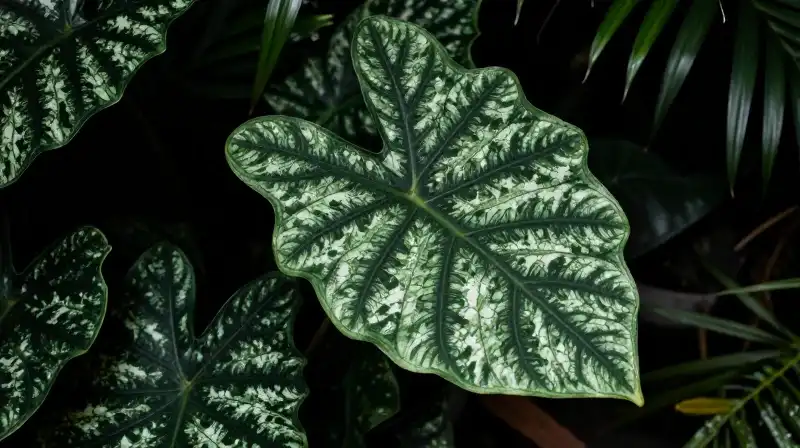
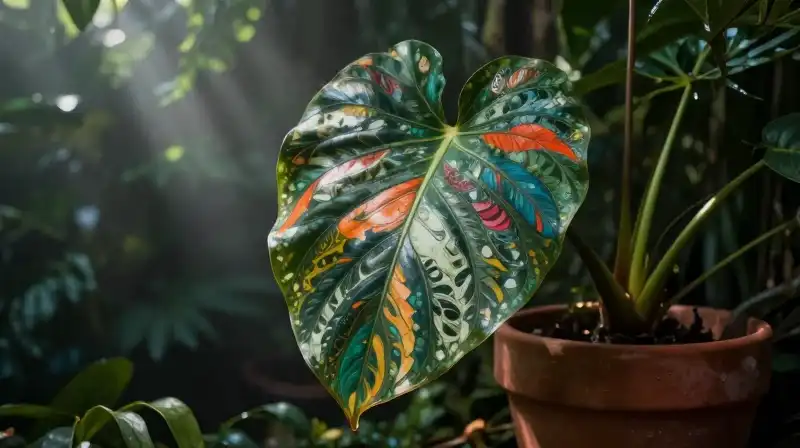
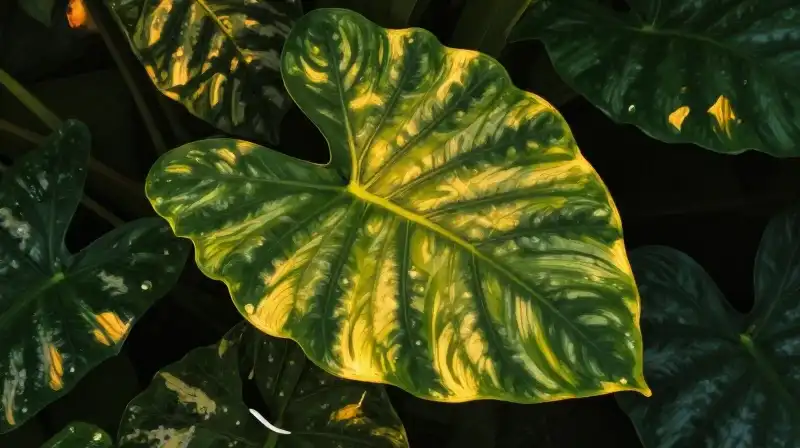
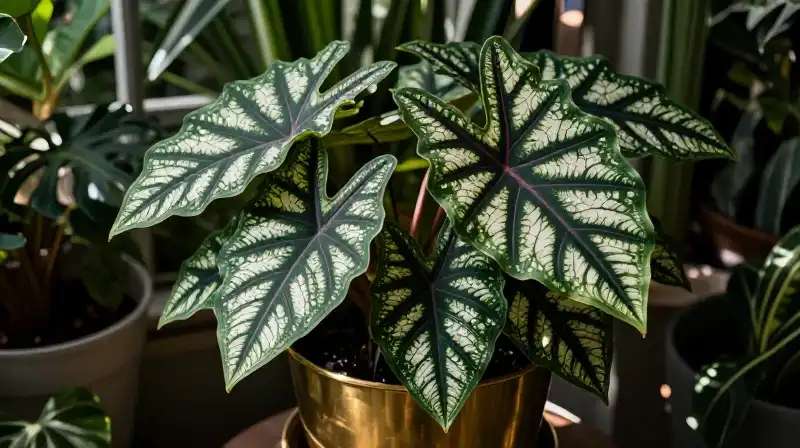
The Alocasia odora ‘Batik Variegated’ is more than just a houseplant; it is a dramatic statement piece for the modern tropical interior. Known for its architecture and bold variegation, this large aroid commands attention with leaves that strikingly resemble traditional Indonesian batik textiles. It offers a complex aesthetic that mimics splashes of cream, pale yellow, and light green over deep green tissue. If you are looking for an architectural centerpiece that demands optimal environmental conditions to showcase its dramatic complexity, understanding the specific needs of this demanding aroid is crucial.
Distinct Characteristics and Mature Appearance
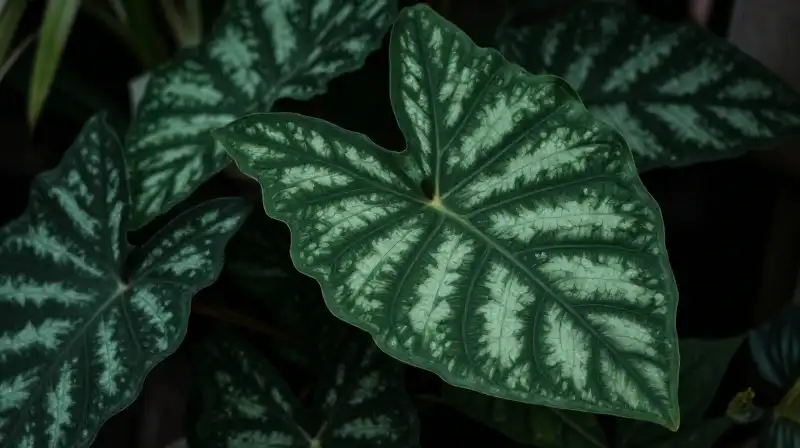
The appeal of Alocasia Batik lies in its sculptural form and its evolving color pattern. Unlike some plants where variegation is static, the ‘Batik Variegated’ becomes more dramatic and sophisticated as it matures. Its growth habit is upright, driven by thick petioles that support the plant’s large, arrow-shaped foliage. The leaves are typically deep green, providing a rich canvas for the irregular, creamy variegation.
When successfully maintained, the variegation becomes richly distributed, echoing the intricate patterns of genuine batik. This plant thrives on stable environments; fluctuations in temperature or humidity often lead to compromised variegation, making its consistent pattern a sign of good health and proper care.
Ideal Environmental Requirements
To maintain the strong, vibrant growth and consistent variegation characteristic of this aroid, the ‘Batik Variegated’ requires a specific tropical microclimate. Neglecting high humidity or adequate light will quickly hinder its growth and dull its visual impact.
Light and Temperature
- Light: It requires bright indirect light. Placing the plant where it receives filtered natural light, but not direct harsh afternoon sun, is essential. Direct sun can scorch the large, thin leaves.
- Temperature: Alocasia odora ‘Batik Variegated’ is a warm-loving plant. It requires consistent warmth and should be protected from cold drafts or temperatures that drop below 60°F (15°C).
Humidity and Air Circulation
High ambient humidity is perhaps the single most critical factor for this aroid. It thrives in consistently humid environments. Low humidity leads to crispy edges, poor leaf expansion, and overall stress. Keeping the air moist, either through a humidifier or by misting and pebble trays, supports the plant’s architectural vigor.
Cultivation: Soil and Watering Strategy
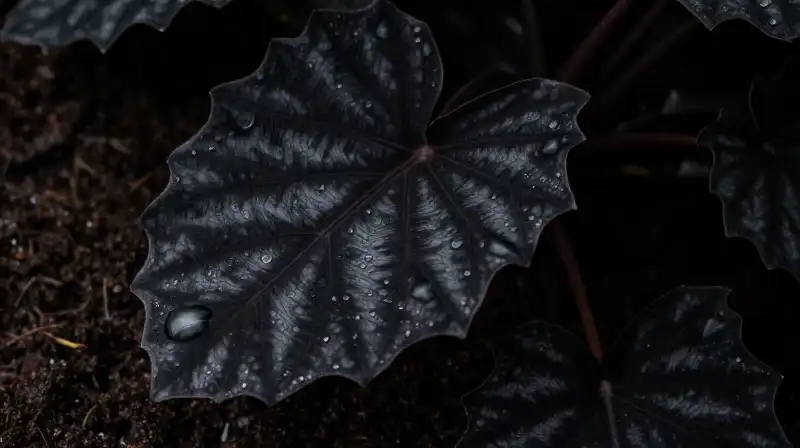
Successful cultivation of the ‘Batik Variegated’ requires a balance between keeping the soil moist and ensuring it never becomes waterlogged. Root rot is a common error among novice plant owners of this genus.
Potting Medium
The soil must have excellent drainage and be highly porous. A premium aroid mix typically includes a blend of peat, perlite, orchid bark, and sphagnum moss. This ensures the root structure is not suffocated while retaining enough moisture to support the plant’s large leaves.
Watering Technique
Water only when the top few inches of the soil feel dry to the touch. Since this plant requires consistently moist conditions, you must use a thorough saturation method—giving it plenty of water until it drains from the bottom of the pot—followed by allowing it to drain completely. Never let the pot sit in standing water.
Growth Expectations and Maturity
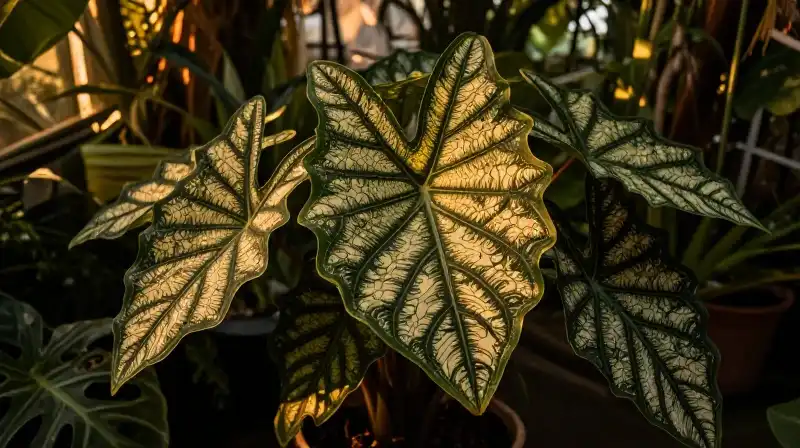
One frequently asked question is how big Alocasia batik gets, and the answer depends heavily on growing conditions and available space. Under ideal, consistent tropical conditions, the ‘Batik Variegated’ can reach impressive heights, often standing between 3 and 6 feet tall. However, in a standard indoor setting, it will likely remain a significant statement plant, reaching a mature size that fills a corner or large plant stand.
The plant’s dramatic quality increases with age. A young plant exhibits smaller, sometimes less complex leaves, but as it matures, the leaf size increases and the complexity of the ‘batik’ pattern becomes more pronounced, rewarding patient cultivation.
Alocasia Batik vs. Other Varieties: Making the Choice
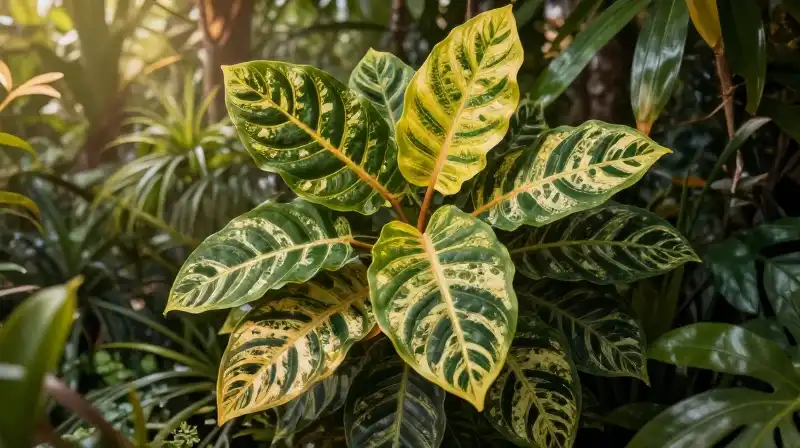
For collectors, the ‘Batik Variegated’ often comes up against other popular variegated Alocasia varieties like *Alocasia odora ‘Blizzard’* or *Macrorrhiza* hybrids. While these competitors offer different textures or color patterns, ‘Batik Variegated’ holds a unique place in the market:
| Feature | Alocasia Batik Variegated | Typical Alternatives |
|---|---|---|
| Aesthetic Focus | Bold, intricate, textile-like patterns. | Often focused on height or solid, consistent color. |
| Variegation Style | Irregular splashes (cream/pale yellow) on deep green. | Often white edging or solid light coloring. |
| Ideal Setting | High-impact architectural statement. | Various decorative niches. |
If your goal is a vibrant, living piece of textile art, the ‘Batik Variegated’ is a superior choice over varieties prioritizing simple white spotting.
Maintaining and Caring for Your Investment
Because Alocasia odora ‘Batik Variegated’ is categorized as a high-value statement plant, routine maintenance goes beyond simple watering. Protecting the plant ensures its long-term stability and value.
- Dust Removal: Due to the large, prominent leaves, dust accumulates quickly. Gently wipe the leaves with a damp cloth every few weeks to allow the plant to photosynthesize effectively.
- Stability is Key: Avoid sudden changes. Keep the plant in a location where it experiences minimal movement, drafts, or rapid climate shifts. This stability is what allows the variegation to remain consistent.
- Pest Watch: Regularly inspect the undersides of the leaves for common aroid pests like spider mites or scale. High humidity generally discourages pests, but a weekly check is always necessary.
Summary of Success
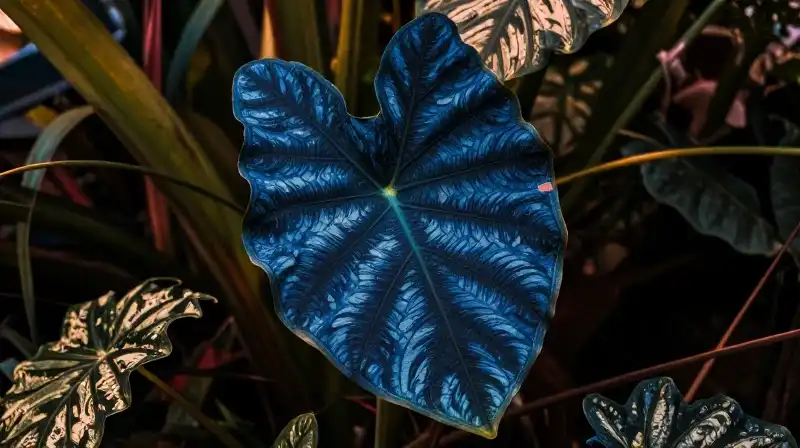
The Alocasia odora ‘Batik Variegated’ offers a rewarding combination of dramatic appearance and botanical complexity. Its success hinges on recognizing its specific tropical requirements. The main priority is achieving consistently high humidity and ensuring a consistent supply of bright, indirect light. By providing a stable, moist, yet well-draining environment, you ensure the plant maintains its striking resemblance to a rich, woven textile, turning your indoor space into a sophisticated botanical display.
Explore more: Celtic Symbols for Brotherhood: Meanings and Interpretations
Frequently Asked Questions
How big do Alocasia batik get?
Under ideal, consistent tropical conditions, the Alocasia Batik Variegated can reach impressive heights, often standing between 3 and 6 feet tall. In a standard indoor setting, it will likely remain a significant statement plant that fills a corner or large plant stand.
How to Cultivate and Care for Alocasia odora 'Batik Variegated'
Establish Ideal Environmental Conditions
Provide the plant with bright indirect light, ensuring it is protected from direct harsh afternoon sun, and maintain a consistent warmth above 60°F (15°C).
Maintain High Humidity
Keep the environment consistently humid using a humidifier, misting, or pebble trays to prevent crispy edges and support architectural vigor.
Prepare the Potting Medium
Use a premium aroid mix with excellent drainage and high porosity, typically blending peat, perlite, orchid bark, and sphagnum moss.
Water Using Saturation Method
Water only when the top few inches of the soil feel dry. Water thoroughly until it drains from the bottom of the pot, then allow it to drain completely; never let the pot sit in standing water.
Perform Routine Dust Removal
Gently wipe the large, prominent leaves with a damp cloth every few weeks to ensure effective photosynthesis.
Monitor for Pests
Regularly inspect the undersides of the leaves for common aroid pests like spider mites or scale and maintain high humidity to discourage pests.
Related Articles