Indoor Pepper Plant Guide: Success Tips for Light, Water, and Yield

Introduction
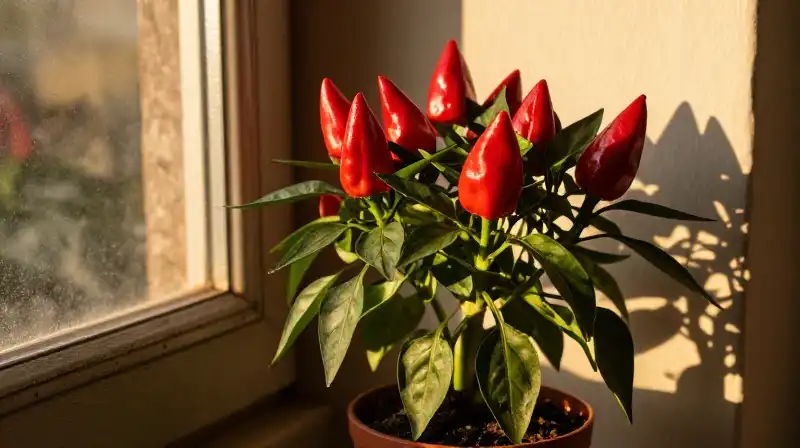
Successful indoor growing of pepper plants requires shifting focus from the unpredictable natural elements of a garden to meticulously controlled environmental factors. To achieve high yields and consistent fruit development inside, you must precisely manage light cycles, nutrient delivery, and airflow. Choosing the right system and variety is the foundational decision, but the long-term success depends on understanding the specific needs of the pepper plant when confined to an indoor setting.
Selecting the Ideal Indoor Setup and Varieties
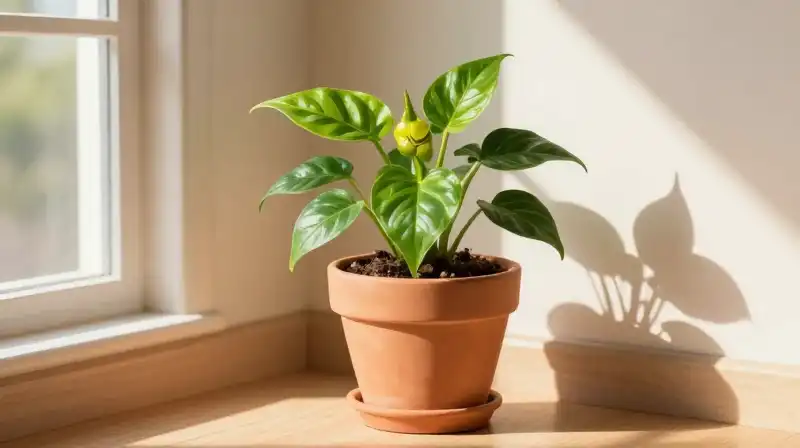 Choosing a suitable growing system is the first step toward a profitable indoor harvest. Your choice depends on your commitment to technical maintenance and the amount of space available.
Comparing Hydroponics and Soil Systems
For compact growing, both hydroponic and high-quality soil systems work, but they demand different skill sets.
Hydroponic Systems: These are highly efficient, requiring significantly less water than traditional soil methods. They provide direct access to perfectly measured nutrients, which drastically simplifies feeding but requires constant monitoring of the nutrient mix and pH level. They are ideal for maximizing yield in small, controlled spaces.
Traditional Soil: This offers a more traditional gardening experience and may be easier for beginners. However, success relies entirely on consistent and precise watering, ensuring the pot has adequate drainage to prevent root rot while allowing the soil to dry sufficiently between applications.
Choosing Compact and Indoor-Friendly Varieties
Not all pepper varieties are suited for indoor constraints. Select varieties known for their compact nature to avoid overcrowding and facilitate optimal light penetration. Consider these types:
- Sweet Varieties: Excellent for steady, high-volume yields in controlled environments.
- Hot Varieties: Compact varieties of chili peppers often thrive in the warmth of indoor settings.
- Ornamental Types: These are often more forgiving in indoor conditions but may not offer the same high yield as dedicated fruit-producing types.
Mastering the Light and Air Environment
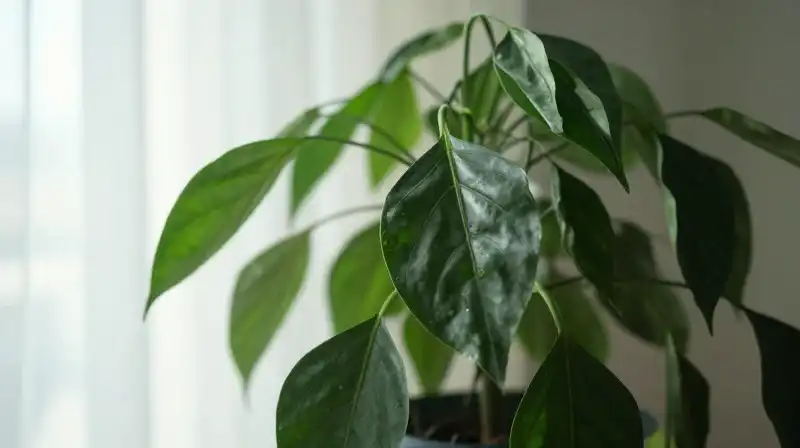 Light and air are the primary drivers of energy production in an indoor pepper plant. Since natural outdoor pollinators are unavailable, you must actively manage the plant’s environment.
Optimizing Light Cycles and Intensity
Pepper plants require substantial light exposure to produce fruit.
The required schedule is a consistent period of at least 15 to 16 hours of daily light. As the plants grow and mature, ensure the light source is gradually raised to maintain proper illumination across the entire canopy, preventing the growth of weak, shaded stems.
Air Circulation and Pollination
Indoor growing can lead to stagnant, humid air, which is detrimental to plant health.
A fan is essential for indoor pepper plants. The fan does two critical jobs: it strengthens the stems by simulating wind resistance and, crucially, it assists with pollination. You may also perform manual transfer of pollen (using a small paintbrush or cotton swab) if you observe peppers failing to set fruit, as this mimics the activity of outdoor pollinators.
Precision Watering and Nutrient Management
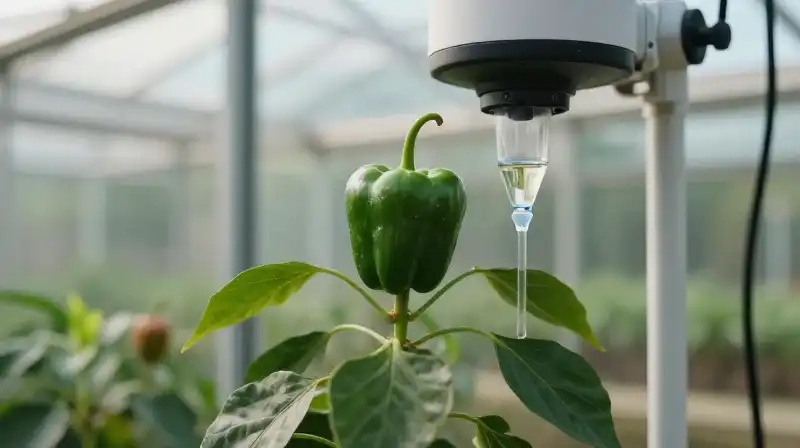 Water is not just hydration; it is the vehicle through which the plant absorbs and moves its necessary nutrients. Improper watering—whether too little, too much, or at the wrong time—can be fatal.
When and How to Water
The most accurate method for determining watering frequency is physical inspection of the growing medium.
- Optimal Timing: Water when the top layer of the growing medium feels slightly dry to the touch.
- Thorough Saturation: Apply water generously until it flows out of the pot’s drainage holes.
- Prevent Root Rot: It is absolutely essential that the pot is not allowed to sit in pooled water after watering.
Monitoring and Adjusting Nutrient Delivery
Whether you are using a hydroponic solution or nutrient-rich soil, managing the chemical balance is paramount.
If using a hydroponic system, supplement your water with liquid or dry hydroponic fertilizers. You must regularly monitor the nutrient mix and the pH level. As the plant progresses through different growth stages (vegetative to fruiting), the feeding schedule and required nutrient ratios will change, necessitating adjustments to the feeding regime.
Cultivating Peak Yield: Pruning and Harvesting
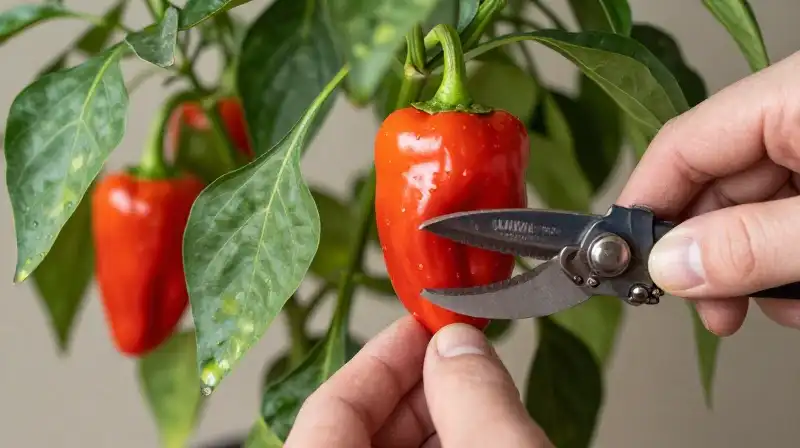 Once the plant is established, consistent maintenance focuses energy toward fruit production.
Pruning for Focused Growth
Regular pruning is necessary to redirect the plant’s metabolic energy away from excessive foliage and toward productive fruit.
Remove spent lower leaves, any yellow or damaged tissue, and any unwanted side shoots that are competing for resources. This focused energy maximizes the size and quantity of the final harvest.
The Importance of Consistent Harvesting
Harvesting your peppers consistently is a key factor in maintaining a continuous supply. Regular picking encourages the plant to maintain its vigorous production cycle rather than putting all its effort into one final, massive batch of fruit.
Troubleshooting Indoor Pepper Plant Issues
Can you grow peppers indoors year round? Yes, provided the environmental variables (light, temperature, humidity) are strictly controlled. Some common concerns require specific attention:
Preventing Common Indoor Growing Errors
Avoid these frequent mistakes to ensure the health of your indoor pepper plant:
- Insufficient Drainage: Never use containers without adequate drainage holes.
- Overwatering: Check the moisture level before every application to prevent root suffocation.
- Poor Airflow: Lack of circulation leads to heat buildup and susceptibility to fungal issues.
Conclusion: A Strategy for Indoor Success
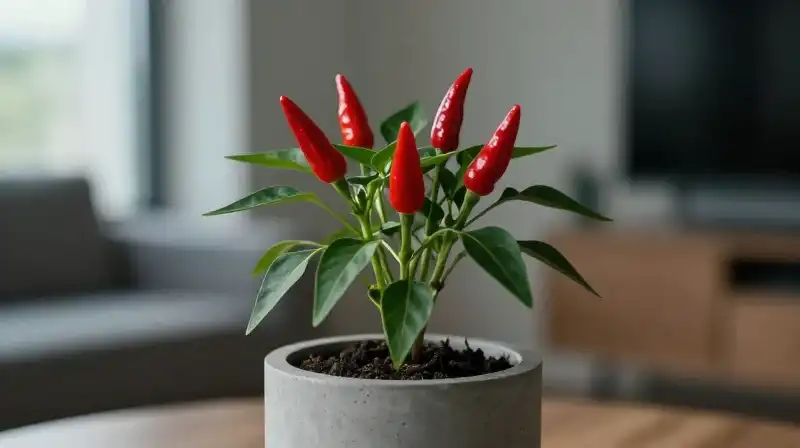 Successfully growing peppers indoors is a high-control process. To summarize the path to success, focus on these core criteria:
- Environment: Guarantee 15-16 hours of light and use a fan to aid pollination.
- System Selection: Choose a system (hydroponic or soil) that aligns with your maintenance capacity.
- Root Health: Water only when the top soil layer is dry, ensuring thorough drainage to prevent rot.
- Consistency: Maintain regular pruning and consistent harvesting to maximize continuous yield.
Explore more: Triquetra Meaning: Unpacking the Symbol of the Celtic Knot T
How to Grow Pepper Plants Indoors
Select System and Variety
Choose a suitable growing system (hydroponic or soil) and select compact, indoor-friendly pepper varieties to ensure optimal conditions in a confined space.
Establish Light and Air
Maintain a light cycle of at least 15 to 16 hours daily and use a fan to ensure consistent air circulation, which helps strengthen stems and aids in natural pollination.
Manage Watering
Check the growing medium by hand and water only when the top layer feels slightly dry, ensuring thorough saturation and preventing the pot from sitting in pooled water.
Monitor Nutrients
Regularly monitor the nutrient mix and pH level, supplementing the water with appropriate fertilizers and adjusting the feeding schedule as the plant progresses through different growth stages.
Prune for Focused Growth
Regularly remove spent lower leaves, yellow tissue, and unwanted side shoots to redirect the plant's metabolic energy away from excessive foliage and toward fruit production.
Harvest Consistently
Harvest peppers regularly to maintain a continuous supply and encourage the plant to maintain a vigorous, continuous production cycle.
Related Articles