Best Purple and Blue Flowers: Growing Guide for Stunning Garden Beds

Introduction
Blue and purple flowers are among the most sought-after choices in gardening, prized for the rare and striking intensity of their hue. Whether you are aiming for the delicate touch of sky blue, the regal depth of violet, or the vibrant saturation of lavender, the successful cultivation of these varieties requires understanding that not all blue and purple flowers behave the same way. Choosing the right species depends heavily on your garden’s specific conditions—from the light exposure and soil chemistry to the desired function (e.g., pollinators vs. groundcover). This guide provides the necessary criteria and specific recommendations to help you select and successfully grow stunning blue floral varieties in your garden beds.
Understanding the Nuances of Blue and Purple Color
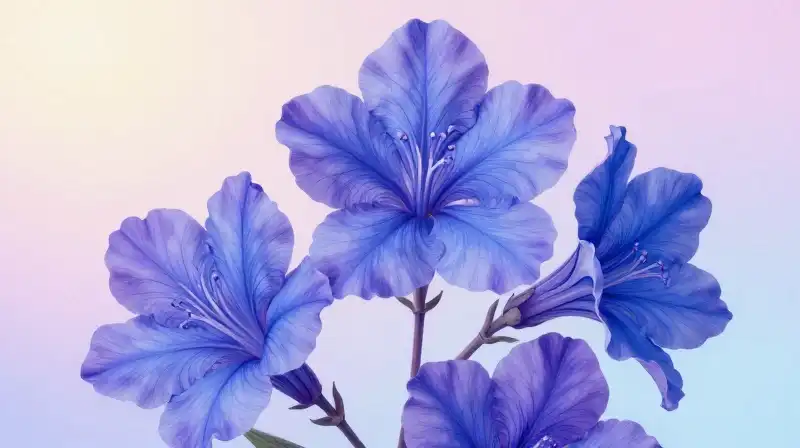 The appearance of blue in flowering plants is often misleading. Unlike a universally consistent shade, blue ranges from pastel lilac to intense royal indigo, and the effectiveness of the color is highly dependent on the plant’s genetics and its growing environment.
The Role of Soil Acidity
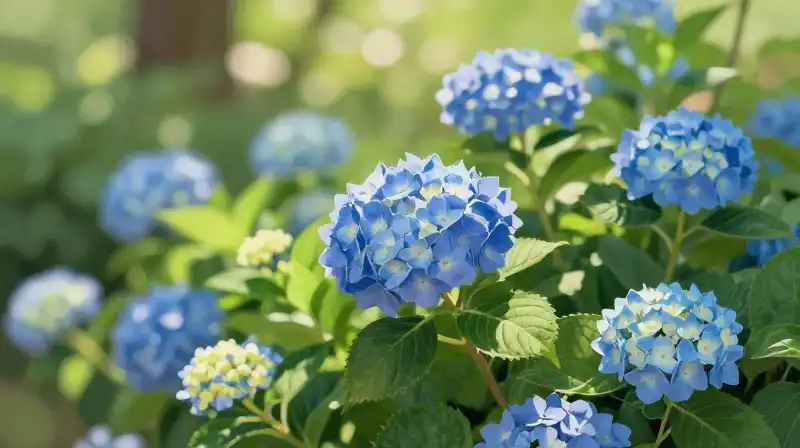
The most significant factor in achieving vibrant blue blooms, particularly in Hydrangeas, is soil acidity. Many types of hydrangeas and related species change color dramatically based on the pH of the soil.
- Acidic Soil (Low pH): Promotes the clearest blue hues.
- Alkaline Soil (High pH): Tends to shift the color toward pink or purple tones.
For other varieties, while soil acidity is less critical, maintaining moist, well-drained, or dry soil—depending on the species—remains paramount.
Defining Blue Shades by Growth Function
When planning a garden, classifying blue flowers by their primary function helps determine the appropriate planting strategy:
| Shade/Variety | Typical Appearance | Primary Garden Function | Best Environment |
|---|---|---|---|
| Gentiana/Caryopteris | Deep, saturated blue/violet | Visual Focal Point | Full Sun |
| Ajuga (Groundcover) | Duller, consistent blue-violet | Groundcover/Structure | Partial Shade to Full Sun |
| Agastache/Buddleia | Vibrant blue/lavender | Pollinator Attraction | Full Sun |
| Asters | Deep, varied blue/purple | Drought Tolerance/Late Season Color | Full Sun to Partial Shade |
Selecting Blue and Purple Perennials for Your Garden Type
To ensure your blue flowers thrive, choose species that match your microclimate and maintenance preferences.
For Sunny and Pollinator-Friendly Beds
Plants thriving in full sun that draw beneficial wildlife like butterflies and hummingbirds are excellent choices for high-visibility areas.
- Agastache: Highly aromatic and known for attracting pollinators; thrives in hot, full-sun conditions.
- Buddleia: Famous for its massive purple and blue blooms, attracting significant numbers of butterflies.
- Gentiana: Offers deep, striking saturated blue flowers, best suited to established garden areas with ample sun.
For Shadier or Woodland Areas
If your area receives dappled or indirect light, certain blue perennials provide year-round interest without burning in intense heat.
- Ajuga: An ideal low-maintenance groundcover, providing consistent blue-violet foliage and blooms in partial shade.
- Brunnerra: Offers attractive blue flowers and silver foliage, fitting well in woodland settings.
Drought-Tolerant and Structural Selections
Gardens with limited water resources or those requiring strong vertical structure benefit from specific selections.
- Asters: These blue and purple variety are extremely resilient and require minimal watering once established, making them perfect for xeriscapes.
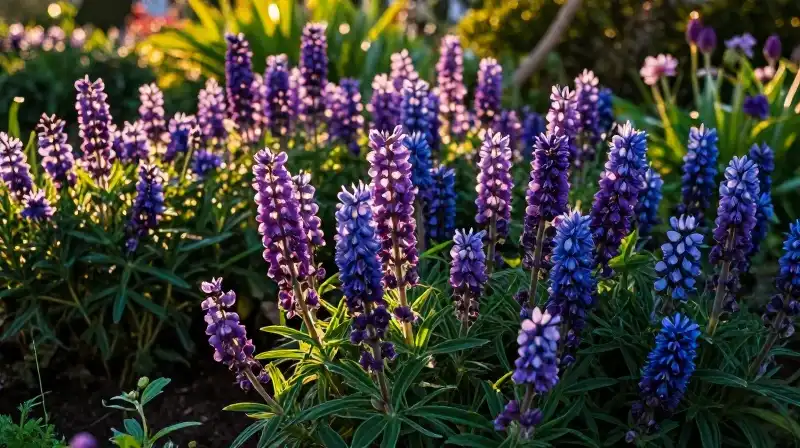
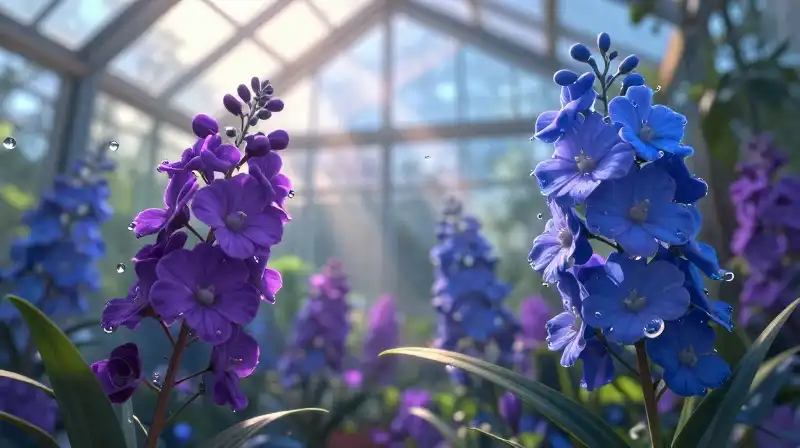
- Delphiniums: Selected for their tall, dramatic floral spires, these provide height and strong visual structure, though they require careful support.
Critical Growing Requirements and Maintenance
 Plant selection is only the first step; success depends on meeting the specific needs of the chosen variety.
Optimizing Soil and Light Conditions
The general rule for blue and purple varieties is that most prefer full sun for the most vibrant colors and robust growth. However, always verify the specific requirements of the genus you choose.
- Light Exposure: For maximum performance, blue-blooming perennials should receive at least six hours of direct sunlight. If shade is necessary, opt for species known to tolerate partial shade, such as Asters or Ajuga.
- Soil Drainage: Many perennial blue flowers, especially those used in groundcover, require well-drained soil to prevent root rot, even if the soil moisture varies depending on the season.
- Climate Compatibility: Before planting, always verify the plant’s hardiness zone compatibility with your local climate to ensure survival through winter and summer heat.
Essential Care and Maintenance Practices
Maintaining a strong, healthy bloom cycle requires specific ongoing attention.
- Staking and Support: For taller varieties like Delphiniums, staking is crucial. This prevents the heavy floral spires from toppling, allowing for better bloom presentation and structural integrity.
- Deadheading: The practice of deadheading (removing spent blooms) is vital for many perennial blue flowers. This signals the plant to divert energy into producing new flowers rather than setting seed, ensuring continuous blooms throughout the season.
- Resilience Planning: If you have deer in your area, select species known for deer resistance, or plan to use a protective barrier, as many beautiful blue and purple varieties are considered forage.
Avoiding Common Planting Pitfalls and Errors
Gardening requires predictive planning. To prevent frustration, be aware of common misconceptions and errors regarding blue flowering plants.
Misunderstanding Bloom Cycles
Many gardeners assume blue flowers bloom all season, but this is rarely the case. Many blue perennial flowers offer continuous color but in staggered phases—from early spring bloom cycles to late season flares. Understanding the expected bloom timing prevents disappointment.
The Difference Between Annual and Perennial Blue Flowers It is crucial to differentiate between annual blue flowers (which thrive for one season and die with the frost) and perennial blue flowers (which return year after year). Selecting perennials ensures long-term garden investment and sustained color, while annual varieties offer immediate, temporary saturation.
Final Planting Synthesis
 When designing a garden focused on purple and blue flowers, approach the project by prioritizing your primary goal: do you need continuous groundcover, a vibrant pollinator highway, or dramatic vertical structure? By matching your functional need to the appropriate plant—considering the light, soil needs, and maintenance level—you can successfully cultivate a garden that provides the brightness and aesthetic appeal of the rarest natural colors.
Explore more: The Three Horns of Odin: Mythological Origins and Historical
How to Successfully Cultivate Blue and Purple Flowers
Determine Garden Needs
Prioritize your garden goal (e.g., continuous groundcover, a pollinator highway, or vertical structure) and evaluate your available light, soil type, and microclimate to define appropriate planting needs.
Select Appropriate Species
Choose a suitable blue or purple plant variety (such as Asters for drought, or Delphiniums for height) that matches your defined functional needs and environmental constraints.
Optimize Planting Conditions
Ensure maximum vibrancy by verifying that the chosen plants receive at least six hours of direct sunlight, maintain well-drained soil, and match the local hardiness zone.
Implement Essential Maintenance
Adopt key care practices, including staking tall varieties to prevent flopping, deadheading spent blooms to encourage continuous flowering, and planning for protection against wildlife like deer.
Related Articles