Alocasia Regal Shield Care: Optimal Light, Humidity, and Soil

Introduction
Light Management for Maximum Foliage Impact While Alocasia ‘Regal Shield’ thrives in bright settings, it is essential to understand the difference between bright light and harsh, direct sun. This plant’s deeply pigmented leaves are designed to capture intense light, but direct exposure, particularly during the hottest parts of the day, can lead to irreversible damage.
Indirect Brilliance vs. Scorch
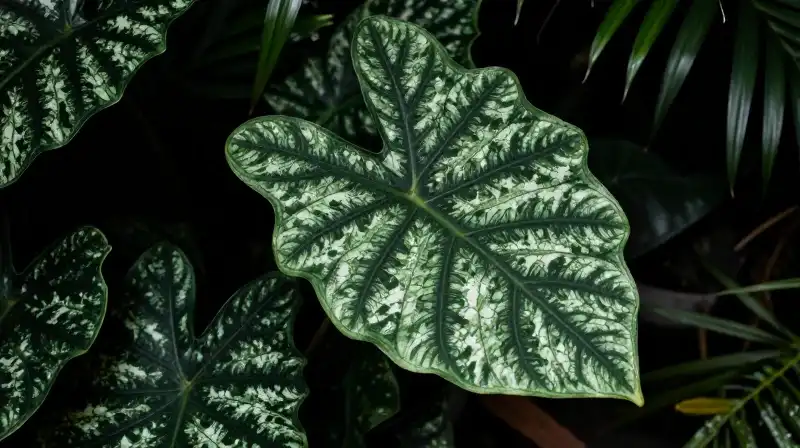
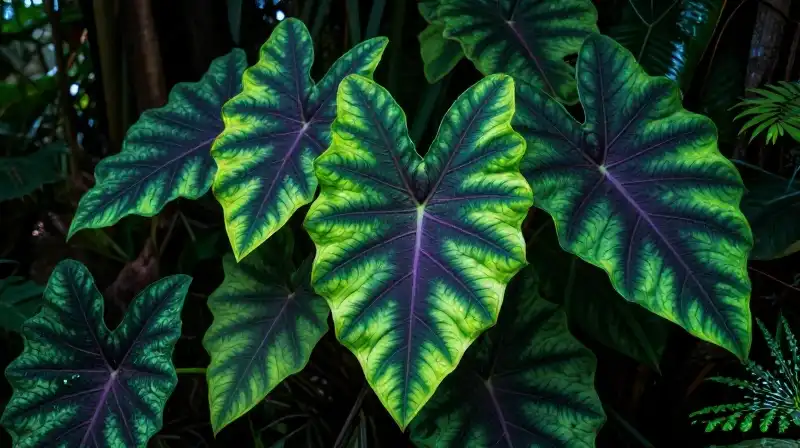
The ideal placement is near a large, east-facing or shaded south-facing window. The light should be bright enough that you can clearly read a book in the room without turning on an overhead light. Bright, filtered light is the key to maintaining the deep, glossy darkness of the leaves and enhancing the contrast of the light green veins.
Monitoring and Adaptation
If the plant is moved into a location where it receives sudden, intense direct sun, watch closely for signs of scorching: small, bleached, or crispy brown spots appearing on the leaf surface. If scorch begins, the plant must be moved further away or fitted with a sheer curtain filter.
Watering Technique and Soil Drainage
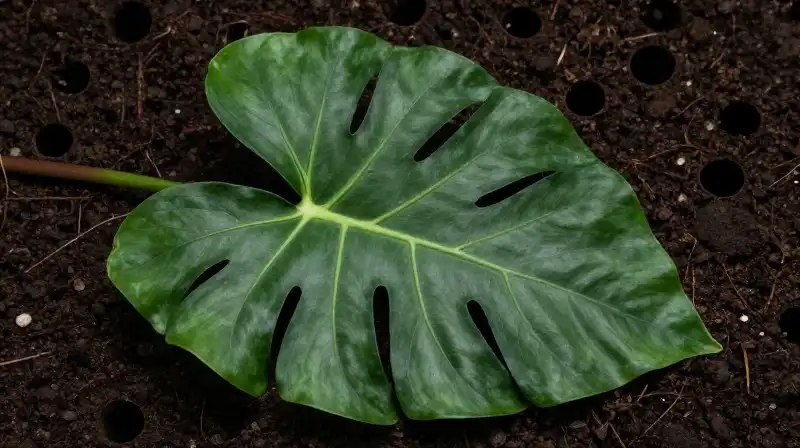 The health of the Alocasia is intrinsically linked to its root environment. While the ‘Regal Shield’ requires consistent moisture, it cannot tolerate the stagnation that leads to root rot. This is a common point of confusion for new owners.
Moisture Consistency
The goal is to keep the soil consistently moist, rather than frequently saturated. Allow the top inch of soil to dry slightly before watering deeply until water runs out of the drainage holes. This ensures the entire root ball is hydrated and that any built-up mineral salts are flushed through the system.
The Importance of Drainage
Never allow the Alocasia to sit in a saucer of standing water. Excellent drainage is non-negotiable. Utilize a pot with a wide drainage hole and a well-draining potting mix, preferably one formulated for tropical plants or chunky succulent blends that incorporate bark and perlite.
The Critical Role of High Ambient Humidity
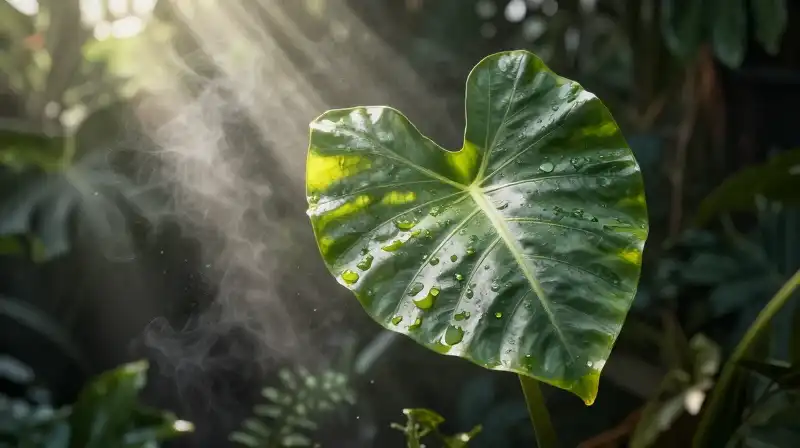 Alocasia is a tropical plant, and its lush, dramatic foliage is highly sensitive to dry air. Many people underestimate the impact of low humidity on the ‘Regal Shield.‘
Why Humidity Matters
High humidity ensures the plant’s foliage remains vibrant, maintains its crisp texture, and helps prevent the development of crispy brown edges—a common symptom of dehydration in high-heat or dry indoor environments. When humidity is low, the plant expends extra energy trying to maintain turgor, which can lead to yellowing and drooping.
Practical Humidity Solutions
To maintain the optimal environment for Alocasia ‘Regal Shield’:
- Place the pot on a pebble tray filled with water (ensure the pot itself does not sit in the water).
- Utilize a small humidifier nearby, especially during dry winter months.
- Group the Alocasia with other high-humidity plants to naturally raise the localized air moisture.
Toxicity and Safety Guidelines
 It is critical to note that the Alocasia ‘Regal Shield’, like all Alocasia plants, contains calcium oxalate crystals. These crystals can cause irritation and discomfort if ingested.
Pet and Child Safety
Keep the plant securely out of reach of small children and pets. In the event of ingestion, contact a poison control center immediately. While the plant is beautiful, its toxicity requires respectful handling and safe placement within the home.
Identifying and Addressing Common Maintenance Issues
Effective care involves routine observation. Here is how to interpret common symptoms and address potential issues.
Diagnosis through Foliage Health
The state of the leaves provides the clearest feedback on environmental conditions:
| Symptom | Likely Cause | Action Required |
|---|---|---|
| Crispy brown edges | Low humidity or inconsistent watering. | Increase humidity (pebble tray/humidifier) and ensure deeper watering. |
| Yellowing and drooping leaves | Under-watering or root stress (lack of oxygen). | Check soil moisture; if dry, water thoroughly. If wet, check for drainage issues. |
| Yellow spots on leaves | Potting mix buildup or mineral toxicity. | Flush the soil heavily with water and consider repotting. |
Pest Control Protocols
Because Alocasia is sensitive to environmental stress, low humidity makes it susceptible to common household pests. Routinely inspect the undersides of the leaves for:
- Spider mites: Look for fine webbing, usually on undersides of leaves.
- Mealybugs: Small, white, fuzzy cotton-like clusters.
- Aphids: Tiny, often clustered green or black insects.
Treat any infestations immediately with insecticidal soap or diluted neem oil, ensuring thorough coverage.
Practical Synthesis for Thriving Alocasia ‘Regal Shield’
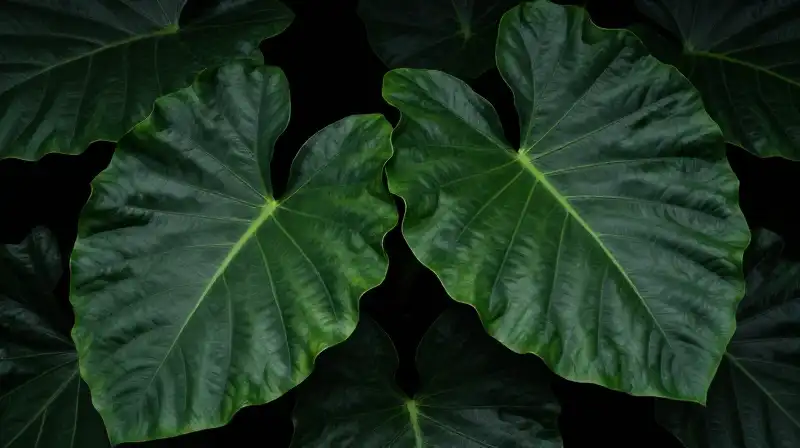 To ensure your Alocasia ‘Regal Shield’ maintains its striking, dramatic appearance, prioritize environmental stability over routine. The plant’s success hinges on managing the triad of **High Bright Indirect Light**, **Consistent Moisture (Not Saturation)**, and **High Ambient Humidity**. By meticulously controlling these factors and performing routine checks for pests and nutrient buildup, you transition from simply “keeping” the plant alive to allowing its unique, architectural beauty to fully express itself. Avoid unnecessary drastic changes in placement or watering schedules, as stable conditions are paramount for the ‘Regal Shield.’
Explore more: The Three Horns of Odin: Mythological Origins and Historical
How to Care for Alocasia 'Regal Shield'
Establish Proper Lighting
Place the Alocasia near a large, east-facing or shaded south-facing window to receive bright, filtered, indirect light. Move it further away or use a sheer curtain if direct, intense sun causes signs of scorching like bleached or crispy brown spots.
Maintain Consistent Moisture
Keep the soil consistently moist but not saturated. Allow the top inch of soil to dry slightly, then water deeply until water runs out of the drainage holes. Never allow the plant to sit in a saucer of standing water.
Manage High Humidity
Maintain high ambient humidity, as Alocasia is a tropical plant. Practical solutions include placing the pot on a pebble tray filled with water, using a small humidifier, or grouping the plant with other humidity-loving plants.
Address Yellow Spots and Nutrient Buildup
If yellow spots appear on the leaves, which indicates potting mix buildup or mineral toxicity, flush the soil heavily with water and consider repotting into fresh, well-draining soil.
Perform Routine Pest Inspections
Regularly inspect the undersides of the leaves for common pests, including fine webbing from spider mites, fuzzy clusters of mealybugs, or small clusters of aphids. Treat any infestations immediately with insecticidal soap or diluted neem oil.
Related Articles