Emerald Green Arborvitae: The Ideal Privacy Hedge Plant

Introduction
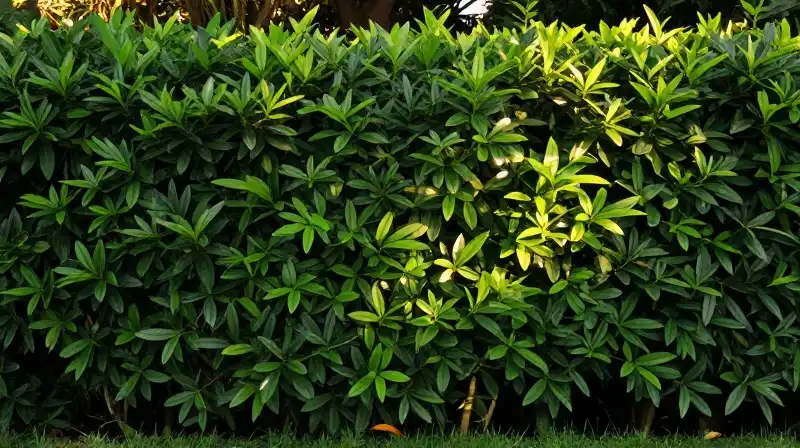
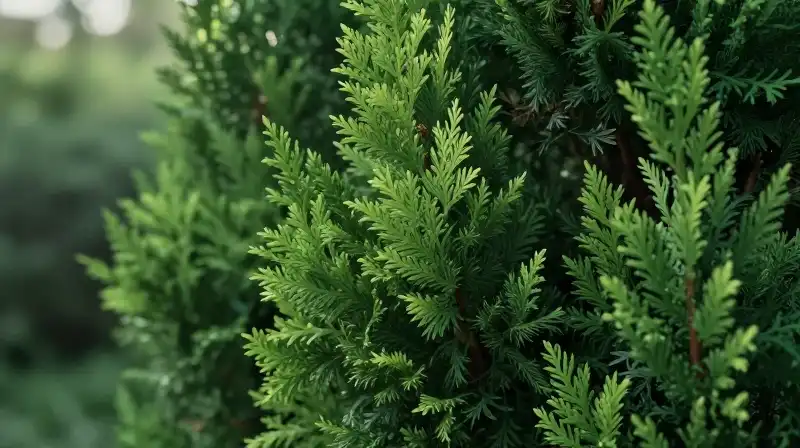
The Emerald Green Arborvitae (Thuja Emerald Green) is widely regarded as one of the most reliable and visually striking choices for creating natural privacy screens. Its primary function is to provide a dense, vibrant evergreen buffer that maintains a rich, shimmering emerald hue throughout the year. Unlike trees that may lose foliage or exhibit discoloration in colder climates, this variety is specifically bred for its intense, consistent green color and robust structure, making it a powerhouse for both aesthetic appeal and effective seclusion.
Optimizing Density for Privacy Screens
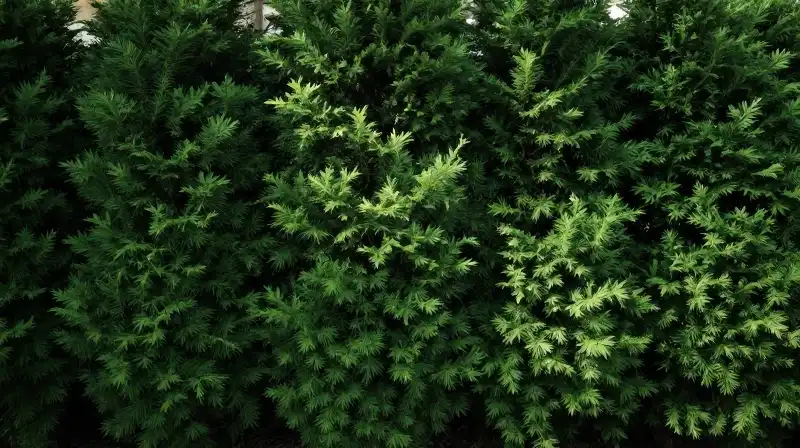 The defining feature of the Emerald Green Arborvitae is its exceptionally dense and tight growth habit. For gardeners seeking privacy, density is the most critical metric, and this species excels here. Unlike some less vigorous conifers, which may have more open inner branches, the Emerald Green Arborvitae forms a solid, uniform wall of foliage. This makes it highly effective for:
- **Perimeter Screening:** Creating a visual barrier along property lines where consistent screening is needed.
- **Dividing Spaces:** Using it within a garden to delineate zones or separate patios without sacrificing winter interest.
- **Small Space Accents:** Even in tight areas, a well-placed specimen can provide a lush, mature backdrop that requires minimal space once established.
The tight growth pattern also inherently minimizes the necessity for extensive regular trimming, as the foliage naturally stays neat and compact, contributing significantly to its low-maintenance reputation.
Extreme Hardiness and Adaptability
A major advantage of planting Emerald Green Arborvitae is its environmental resilience. This plant is classified as extremely hardy, allowing it to thrive in varied conditions that might stress other evergreens. This adaptability is important because landscaping often involves managing less-than-perfect conditions. The species performs well across a wide range of soil types—whether your soil is heavy clay, sandy, or average loam. Furthermore, it is notably drought-tolerant once it is fully established, making it an ideal choice for areas prone to dry spells. It has proven resilience against common winter elements, such as shedding snow and ice without sustaining branch damage, and resists browning or bare patches throughout the cold months.
Jumbo vs. Standard Varieties: Selection Guide
 When deciding how to implement Emerald Green Arborvitae, the difference between standard plantings and “Jumbo” varieties dictates the speed and permanence of the screening effect.
Standard/Smaller Varieties: These are best for gradual landscaping projects, allowing you to build a screen incrementally over several seasons. They are suitable for smaller, less urgent privacy needs.
Jumbo Varieties: These are mature plants sold in containers, designed to deliver instant, superior screening. They possess well-developed root systems and are already at a robust growth stage. If the goal is to establish a solid, dense privacy barrier quickly, especially in confined space, the investment in a Jumbo plant is a practical decision.
Choosing a Jumbo plant is a choice for speed and structural integrity, ensuring a solid, dense screening effect is achieved almost immediately upon placement.
Maintenance and Health Considerations
Despite its reputation for low upkeep, understanding the basic maintenance needs ensures long-term health and vibrant color. The Emerald Green Arborvitae is inherently resistant to many common pests and diseases. However, maintaining its optimal look involves a few simple practices:
- Watering: While drought-tolerant, especially after establishment, consistent moisture is needed during the planting season and periods of extreme drought to ensure robust root development.
- Soil Drainage: Even though it adapts to various soils, ensuring adequate drainage remains paramount to preventing root issues.
- Pruning: Though often neat naturally, selective pruning can be used to shape a piece into a specific structural partner for flowering plants or to maintain the density of the screen.
Its high resistance profile translates to a plant that requires very little chemical intervention, making it a sustainable and low-effort choice for the modern gardener.
Practical Limits and Deployment Scenarios
 While versatile, it is important to understand the scope and scale of the Emerald Green Arborvitae in your landscape.
Scale: This species is a fast-growing evergreen, capable of reaching heights of up to 12 feet, making it ideal for medium-height privacy barriers.
Placement Constraints: In smaller yards, it can function as a powerful specimen or structural accent against walls. However, it requires enough depth and lateral space to maintain its dense, columnar shape. It is not a single-stem tree but a dense shrub that requires ground space for its expansive root system to develop fully.
Summary: Making the Final Selection
The Emerald Green Arborvitae is the definitive choice when combining high visual impact with minimal commitment. If you require a natural privacy screen that offers a vibrant, unchanging emerald hue, is tolerant of various soil conditions, and requires very little upkeep, this variety excels. Its inherent density and disease resistance make it a highly reliable structural element in any design. The decision between standard and Jumbo varieties should be based entirely on whether you prioritize long-term, incremental growth or immediate, robust screening impact.
How to Maintain Emerald Green Arborvitae for Health and Vibrancy
Water Consistently
Maintain consistent moisture during the planting season and periods of extreme drought to ensure robust root development, leveraging the plant's overall drought tolerance after establishment.
Ensure Proper Soil Drainage
Even though the species adapts to varied soil types, always ensure adequate drainage is present to prevent root issues and maintain the plant's long-term health.
Perform Selective Pruning
Though the plant is naturally neat, selective pruning can be used to shape the specimen into a specific structural partner or to actively maintain the density of the privacy screen.
Related Articles