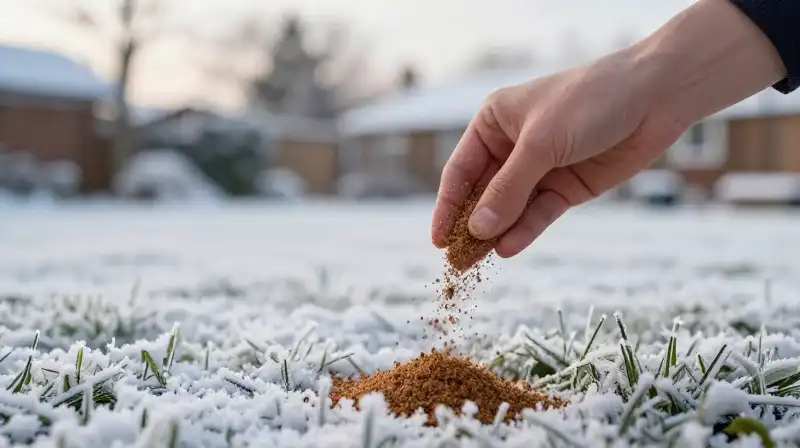
Choosing the Right Winter Grass Fertilizer for Cold Stress

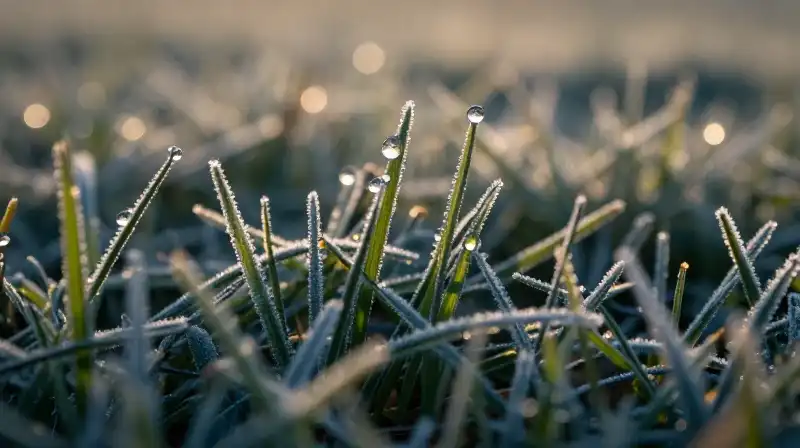
Introduction
The decision to apply a winter grass fertilizer involves understanding that these treatments are less about encouraging lush new growth and more about bolstering the lawn’s resilience. Unlike spring fertilization, which focuses on pushing vigorous top growth, a properly chosen winter feed is a strategic nutritional intervention designed to strengthen the foundation of your lawn. By applying specific nutrients during the cold season, you are preparing your grass to withstand environmental stressors and ensuring robust nutrient storage that will fuel a vibrant return in spring.
The core objective of winter fertilization is root development and cold tolerance. To achieve this, you must select a blend that prioritizes potassium and manages nitrogen carefully, depending on your climate and grass type. Starting with the right blend and application schedule is the key to a healthy dormant lawn.
The Strategic Role of Winter Nutrition
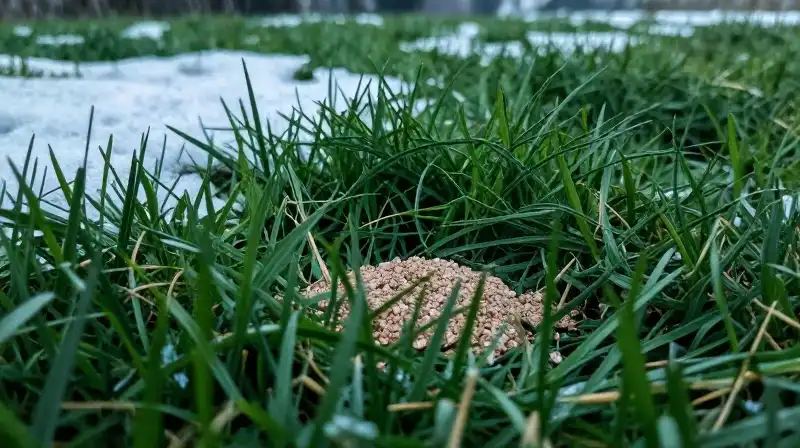
When lawns enter their dormant phase, metabolic activity slows significantly. Traditional fertilizers that promote rapid top growth can be counterproductive, as the plant may not be able to utilize the sudden influx of nitrogen effectively, potentially leading to stress or burning. Instead, winter nutrition supports vital root functions and strengthens cellular structures.
The primary benefits of applying winter grass fertilizer include:
- Root Strengthening: Nutrients penetrate the soil and settle into the root system, enhancing the grass’s ability to anchor and draw water and nutrients deeper from the ground.
- Cold Stress Mitigation: Specific minerals, particularly potassium, help the grass manage cold exposure and resistance to harsh weather, making the lawn more resilient against freezing temperatures.
- Nutrient Reserve Building: The dormant period is used to store essential minerals. Providing these reserves now means the grass has the energy and nutrients ready for immediate, strong growth when active seasons return.
- Soil Health Improvement: Consistent winter treatment integrates into a broader plan to improve soil quality, often accompanying soil testing and the addition of organic amendments.
Choosing the Right NPK Ratio for Winter Success
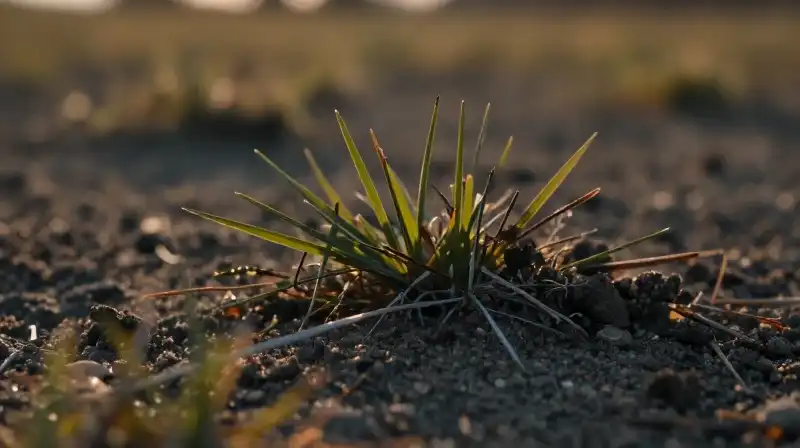
Selecting the correct winter grass fertilizer requires looking beyond the brand name and focusing on the specific proportions of Nitrogen (N), Phosphorus (P), and Potassium (K). Most winter formulations are designed to be high in potassium to enhance cold tolerance and structural integrity.
High-Potassium for Cold Resilience
Potassium is arguably the most critical nutrient during winter. It acts as an osmotic regulator, helping the plant manage water stress and enhancing resistance to frost. For cool-season grasses, a fertilizer high in potassium helps strengthen the grass’s defense mechanisms against cold stress. This is why many winter grass fertiliser products are labeled as “dormancy formulas” or “cold season blends.”
The Nitrogen Balance: Deep Green vs. Dormancy
The required level of nitrogen depends heavily on the type of grass and the climate:
- Cool-Season Grasses (e.g., fescue, bluegrass): These grasses can benefit from high-quality nitrogen during winter treatments. Applying nitrogen now helps maintain a deep green color and keeps the lawn visually appealing throughout the colder months.
- Warmer Climates/Turfgrass Entering Deep Dormancy: In areas with very cold winters or where the lawn is in a deep resting phase, the nitrogen should be limited. The focus should be heavily skewed toward potassium and phosphorus to support roots without encouraging excessive, vulnerable top growth that cannot be maintained in freezing temperatures.
When and How to Apply Winter Fertilizer
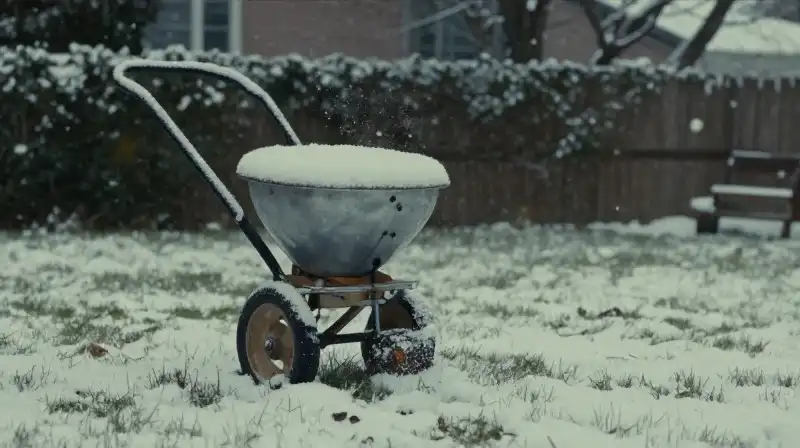
Timing and technique are essential. Applying fertilizer when the soil is saturated can lead to runoff and potential nutrient burn. The optimal application window is during late fall or early winter, specifically after the final major mow but before the ground becomes permanently frozen.
Application Timing Nuances
The goal is to nourish the root system while the weather transition allows nutrients to settle into the soil. Applying nutrients late in the season ensures they are actively available as the grass enters dormancy.
- Optimal Window: Late fall or early winter, prior to hard freezing.
- Avoid: Mid-winter when temperatures are consistently below freezing, as frozen soil severely limits nutrient absorption.
Proper Application Technique
Ensure your application method is precise to prevent uneven distribution and nutrient burn. If using a spreader, use the manufacturer’s recommended application rate. If applying via sprayer, calibrating your equipment is critical to ensure even distribution, which avoids dangerous hot spots or burn areas.
Beyond Fertilizers: A Holistic Winter Care Approach
Effective winter grass fertilizer is only one piece of a comprehensive lawn maintenance strategy. To maximize the effectiveness of the nutrients you apply, consider these supporting practices:
- Soil Health Practices: Pair fertilization with soil health improvements. Winter soil testing and adding organic amendments (like compost or bio-stimulants) improves soil structure, allowing nutrients from your fertilizer to be absorbed more effectively by the roots.
- Managing Foot Traffic: During winter, heavy foot traffic on frozen or dormant grass can lead to compaction and physical breakage. Minimizing traffic helps protect the root system you are trying to strengthen.
- Weed Control: Employ pre-emergent herbicides during this period to control winter weeds, ensuring the grass maintains its healthy competition for nutrients and resources.
- Addressing Drainage: Proper drainage is non-negotiable in winter. Waterlogging increases the risk of root rot, which negates the benefits of any applied fertilizer.
Synthesis: Making Your Final Decision

Choosing the best winter feed for grass boils down to matching the nutrient profile to your specific climate and grass type. For most cool-season lawns seeking cold tolerance, a high-potassium blend is the most beneficial choice for strengthening roots and managing stress. If your lawn is currently active and in a mild climate, you might look for a blend that supports maintenance and color. However, if you are concerned about excessive top growth or hard freezes, prioritize a lower nitrogen, high-potassium formula.
Always follow application guidelines, calibrate your equipment, and treat the fertilizer application as part of a larger strategy. By strategically supplying nutrients during dormancy, you ensure your lawn is not just surviving the winter, but is actively building the reserves needed for a spectacular, resilient spring emergence.
Frequently Asked Questions
What is the best winter feed for grass?
For most cool-season lawns seeking cold tolerance, a high-potassium blend is the most beneficial choice for strengthening roots and managing stress. If there is a concern about excessive top growth or hard freezes, a lower nitrogen, high-potassium formula should be prioritized.
Should I put fertilizer on my grass in the winter?
Winter fertilization is beneficial because it bolsters resilience, strengthens roots, and builds nutrient reserves for spring, focusing on strategies rather than lush growth. However, you must adjust the nutrient blend—prioritizing high potassium—to match your specific climate and grass type.
What is the best fertilizer for winter green grass?
For most cool-season lawns seeking cold tolerance, a high-potassium blend is the most beneficial choice for strengthening roots and managing stress. If you are concerned about excessive top growth or hard freezes, it is recommended to prioritize a lower nitrogen, high-potassium formula.
How to apply winter grass fertilizer and maintain a resilient lawn
Determine the appropriate fertilizer blend
Select a blend that prioritizes potassium and manages nitrogen based on your climate and grass type (high potassium is recommended for cold resilience).
Plan the application timing
Apply fertilizer during the optimal window: late fall or early winter, prior to the ground becoming permanently frozen.
Prepare the application environment
Ensure the soil is not saturated before applying nutrients to prevent runoff and potential nutrient burn.
Apply the fertilizer precisely
Use a spreader or sprayer, adhering strictly to the manufacturer's recommended rates and calibrating equipment for even distribution.
Improve soil health and structure
Pair fertilization with soil health practices such as conducting winter soil testing and adding organic amendments like compost.
Manage environmental factors
Minimize heavy foot traffic during winter, ensure proper drainage to prevent root rot, and employ pre-emergent herbicides for weed control.
Related Articles