Grow Serrano Chili Peppers: Essential Tips for Success

Introduction
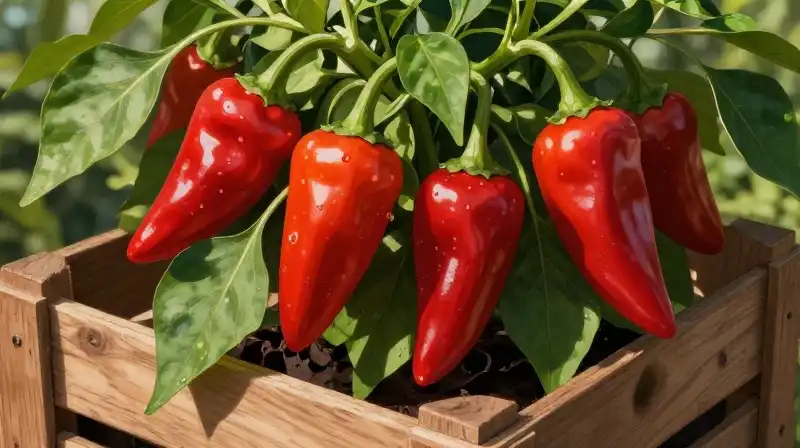
If you are planning on growing serrano chili peppers, you are choosing a versatile and flavorful variety known for its long, thin profile and a subtly smoother heat compared to its more famous cousins. Unlike many fiery varieties, the serrano often presents a flavor that is perceived as milder and more refined, making it highly adaptable to various culinary uses. Achieving a strong harvest requires more than just planting seeds; it demands specific attention to soil structure, heat tolerance, and consistent care. This guide outlines the essential steps to successfully grow serrano chili peppers, from starting the seeds indoors to maximizing your yield.
Serrano vs. Jalapeño: Choosing the Right Heat and Flavor
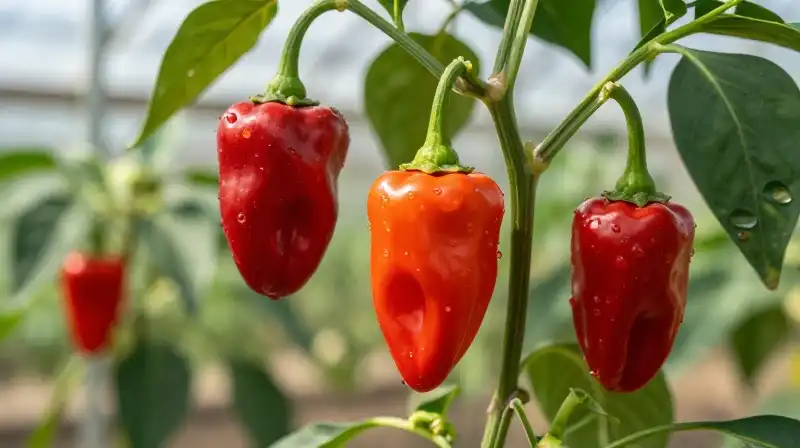
A common query when choosing chili varieties is the difference between the serrano and the jalapeño. While both are foundational peppers in many cuisines and share similar growing conditions, their resulting profiles are distinct. The key difference lies in the flavor and physical structure. Jalapeños tend to be robust, blockier, and possess a punchier, sharper flavor. Serranos, conversely, boast a more elongated, slender body and a smoother, often fruitier flavor profile, accompanied by a manageable level of heat. If your goal is a more subtle, nuanced spice that works well in salsas or stir-fries, the serrano is the superior choice.
Understanding this distinction helps guide planting decisions. Serrano peppers are generally hardy, thriving in heat, even in regions experiencing high summer temperatures. For home gardeners, this heat tolerance makes them a reliable crop for warm climates.
Starting Serrano Seeds Indoors or Outdoors
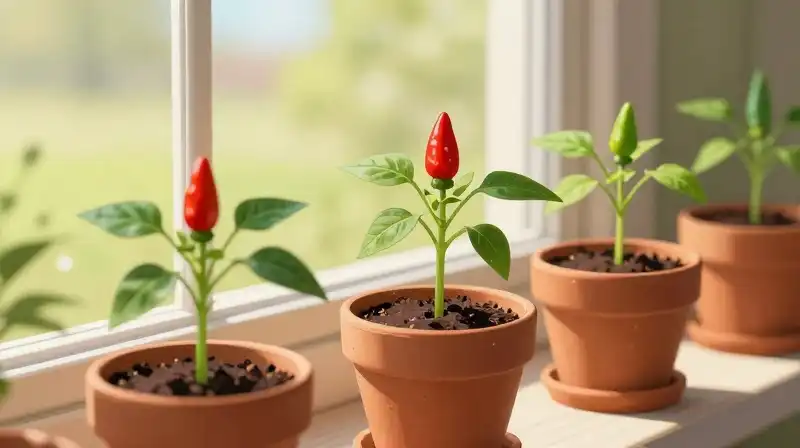
The timing and location of seed germination are critical for successful growing. Most serrano plants require a head start to reach maturity before the outdoor season peaks, meaning indoor starting is often preferable, especially if you are growing them in containers.
Indoor Seed Starting Techniques
To ensure robust seedlings, germinating seeds indoors is recommended. The primary requirement for indoor success is consistent warmth. Placing seeds on a heat pad helps maintain the warm soil temperatures necessary for optimal germination. Start the seeds indoors when approximately six to eight weeks before your local last danger of frost date. This allows enough time for the established plant to be “hardened off” before being permanently moved outdoors.
Outdoor Planting Timing
If you begin planting outdoors, ensure that all risk of frost has completely passed. Serrano peppers prefer consistent warmth and will perform best in outdoor ground beds after the danger of freezing temperatures has passed.
Preparing the Perfect Growing Environment
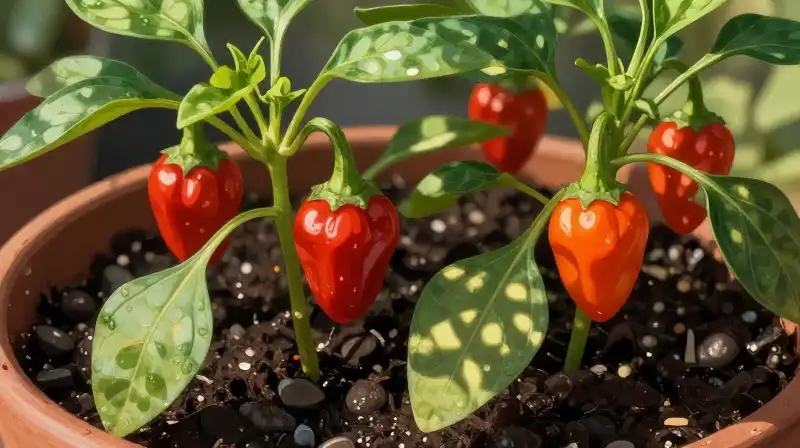
Whether growing in a large garden plot or in pots, the foundation of a successful harvest is excellent soil preparation and optimal light exposure. Proper planning prevents common issues like stunted growth and poor fruiting.
Soil Composition and Drainage
Serrano peppers are demanding plants regarding their environment. They require soil that is extremely well-drained to prevent root rot. Loamy soil, supplemented generously with organic matter and high-quality compost, provides the necessary structure and nutrients. This organic base helps regulate moisture while ensuring the roots have plenty of air.
Sunlight and Spacing Requirements
These peppers require full, consistent sunlight. A location receiving at least six to eight hours of direct sun daily will dramatically increase your yield. Adequate spacing is non-negotiable for strong growth; plan for a minimum of 18 inches between each plant. This spacing allows the foliage to spread, maximizing photosynthesis and improving air circulation, which significantly reduces the risk of fungal diseases.
Growing Serrano Peppers in Containers (Pots)
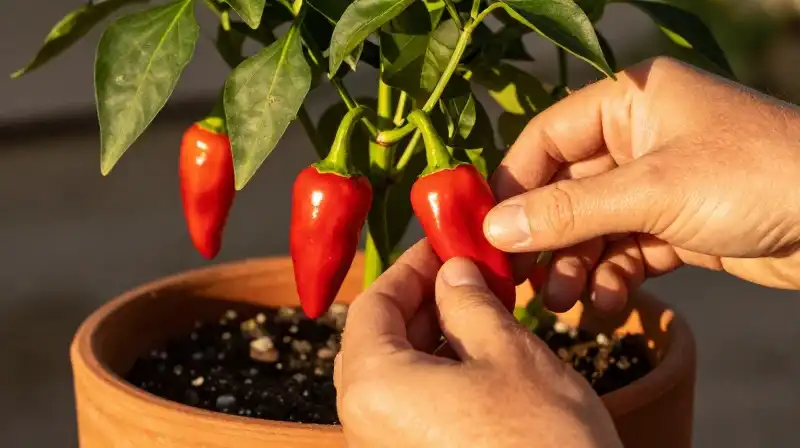
Many gardeners opt to grow serrano chili peppers in pots, and this method is highly effective, provided the container is sufficiently large. Small pots will restrict the mature root system, leading to smaller peppers and lower yields. For a productive season, choose a container that is at least 12 to 14 inches in diameter to accommodate the mature plant.
When using containers, use a light, highly porous potting mix rather than standard garden soil. This ensures rapid drainage. Always maintain consistent moisture; containers dry out faster than ground beds, requiring diligent watering to prevent soil stress.
Maintenance: Watering, Feeding, and Structural Support
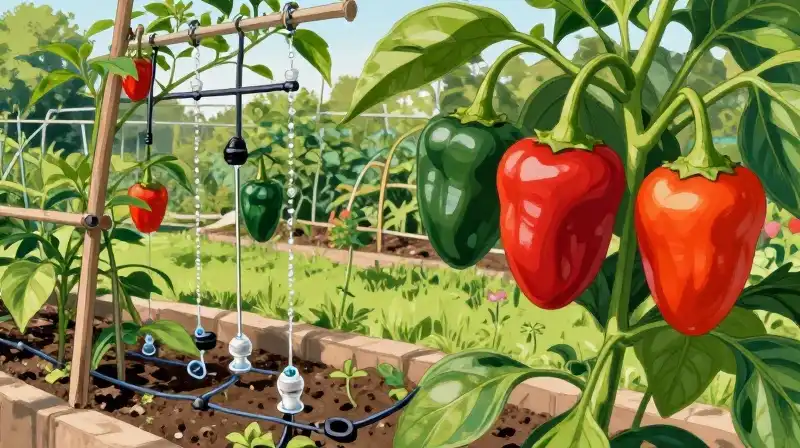
Maintaining a healthy serrano plant requires consistent attention to its basic needs: water and nutrients. Regular deep watering and providing targeted nutrients will lead to more productive plants.
The Watering Schedule
To encourage the development of deep, resilient root systems, implement a deep watering strategy rather than frequent, shallow sprinkles. Water thoroughly every three to four days. Allowing the top layer of soil to dry slightly between deep waterings helps promote root strength and discourages superficial watering habits.
Feeding with Organic Nutrients
As a fruiting plant, the serrano needs a steady supply of available nutrients. Applying organic fertilizers is highly beneficial. Useful options include:
- Coffee grounds: Excellent for providing nitrogen and enhancing soil structure.
- Epsom salt: Offers magnesium and sulfur, boosting plant health.
- Fish emulsion: Provides a rich source of organic nitrogen and micronutrients.
Regular, moderate applications of these nutrients throughout the growing season support continuous fruit production.
Providing Structural Support
As the plants mature and begin producing heavy branches and fruit, structural support becomes necessary. Caging or staking the plants is a preventative measure. This not only supports the weight of the harvest but also keeps the fruit off the soil, reducing exposure to pests and maintaining better airflow.
Companion Planting for Maximum Growth
Serrano peppers thrive when planted alongside certain companions that can improve soil health or deter common pests. Effective companion plants create a beneficial micro-ecosystem:
- Tomatoes and Beans: These companions share similar growth habits and benefit from each other’s nutrient cycling.
- Corn: Often grown together in traditional planting schemes, corn provides support and benefits the peppers’ root structure.
- Marigolds: These are widely used to deter a range of common insect pests from the perimeter of the garden.
Critical Practical Warnings and Final Harvest Tips
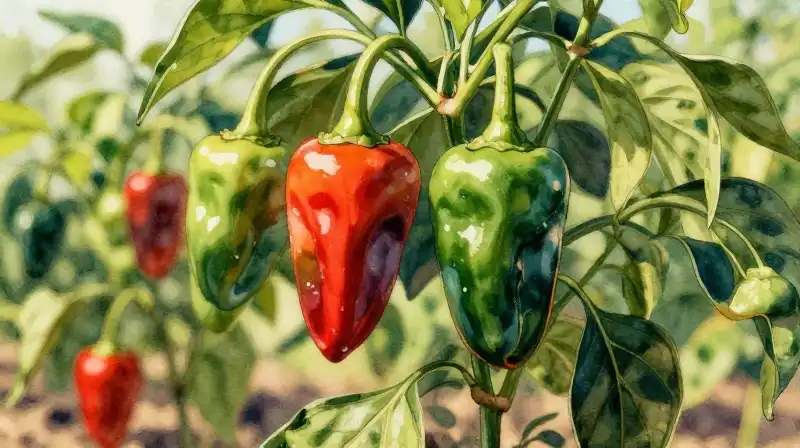
To ensure a successful season, keep these final, practical cautions in mind. Gardening is rarely perfect, but being proactive about specific conditions can prevent costly failures.
- Pest Vigilance: Routinely inspect the undersides of leaves for aphids or spider mites, especially when plants are indoors or in enclosed containers. Early intervention with organic methods (like insecticidal soap) is the most effective defense.
- Heat Stress Management: While serranos tolerate heat well, prolonged intense heat combined with low soil moisture can cause fruit to shrivel. Always maintain that deep, consistent watering schedule during the hottest parts of the summer.
- Harvest Timing: The best time to harvest serrano peppers is when they have reached their desired color and size, but before they become overly tough or woody. Frequent harvesting encourages the plant to continue producing more peppers.
By adhering to these specific growing criteria—from providing consistently warm soil and intense sunlight to maintaining the proper 18-inch spacing—you can transition from simply planting seeds to enjoying a substantial harvest of intensely flavored, robust serrano chili peppers.
How to Grow Serrano Chili Peppers
Start Seeds Indoors
Start seeds indoors approximately six to eight weeks before your last danger of frost date, utilizing a heat pad to ensure consistent warmth for optimal germination.
Prepare the Growing Environment
Prepare the planting area with loamy soil mixed with organic matter and compost, ensuring proper drainage, and provide a location with at least six to eight hours of direct sunlight.
Space the Plants
Plant the seeds or young plants with a minimum of 18 inches between each plant to allow for maximum growth and air circulation.
Maintain the Watering Schedule
Implement a deep watering strategy, watering thoroughly every three to four days, allowing the top layer of soil to dry slightly between sessions.
Fertilize the Plants
Apply organic fertilizers such as coffee grounds, Epsom salt, or fish emulsion regularly and moderately throughout the growing season to support fruit production.
Provide Structural Support
Install caging or staking as the plants mature and begin to bear heavy branches and fruit to prevent damage and maintain airflow.
Related Articles