Best Green Pink Leaf Plants: Care, Varieties, and Placement

Introduction
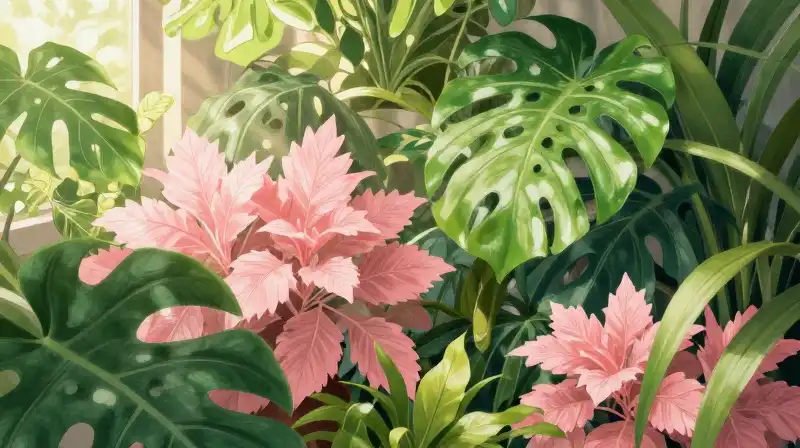
Finding plants with vibrant green and pink foliage allows gardeners to achieve high visual contrast without relying on harsh, artificial colors. These green pink leaf plants are valued for their adaptability, providing ornamental interest in both indoor settings and garden landscapes. This guide helps you select the right varieties, understand their unique care requirements, and place them to maximize their striking color.
Selecting the Right Green Pink Leaf Varieties
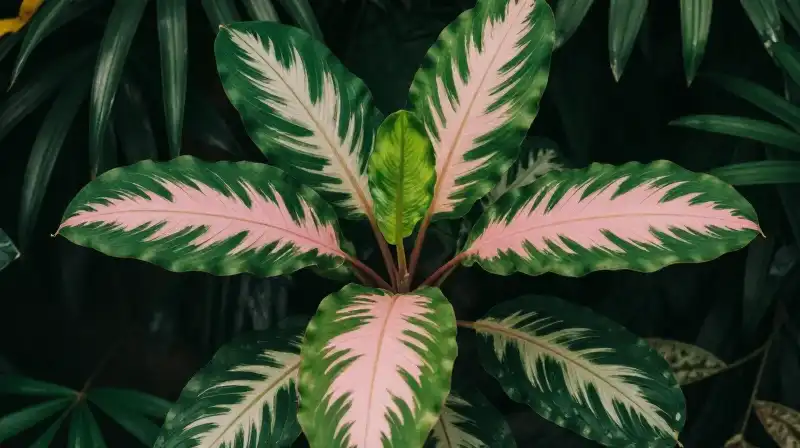 There are numerous species that offer pink-hued coloration, but they range significantly in their environmental needs. Choosing a plant for a specific location—be it a shady porch or a bright windowsill—is key to success. To narrow your choices, consider the color manifestation, desired texture, and growing environment:
Ornamental Options for High Visual Contrast
>- Caladium: Highly valued for dramatic pink and red hues appearing on green foliage. Best used in shady, humid garden spots. >- Coleus: Offers exceptional textural interest with wavy leaves and distinct pink undersides, making it an excellent versatile choice for pots. >- Loropetalum: A semi-hardy shrub known for developing dark pinkish-purple foliage, suitable for structured landscape design. >- Fuchsia and Lysimachia: These varieties display delicate pink tones, often appearing in variegated patterns or during young growth phases. >- Japanese Maple (Acer palmatum): Show graceful, delicate pink leaf coloration, typically peaking in the spring. >- Thymus pulegioides ‘Foxley’: Provides unique pink tints in young leaves, specifically stimulated by exposure to cooler weather. >
Choosing Plants by Light and Climate Needs
Before purchasing, identify where your plant will live. Some varieties are semi-hardy and thrive outdoors but require protection or controlled overwintering, while others are optimized for indoor cultivation:
| Plant Type | Typical Growing Location | Light Requirement | Water Preference |
|---|---|---|---|
| Caladium | Outdoor garden (shade) | Well-lit, but protected from intense direct sun | Moisture-retentive; keep soil consistently moist |
| Coleus | Indoor or Shaded Patio | Bright indirect light | Well-draining; allow topsoil to dry slightly between watering |
| Loropetalum | Outdoor Landscape | Partial shade to full sun | Drought-tolerant once established |
| Hydrangea serrata (Pink Flushing) | Outdoor Garden | Partial shade | Moisture-retentive, likes consistent moisture |
Essential Care for Pink and Green Foliage
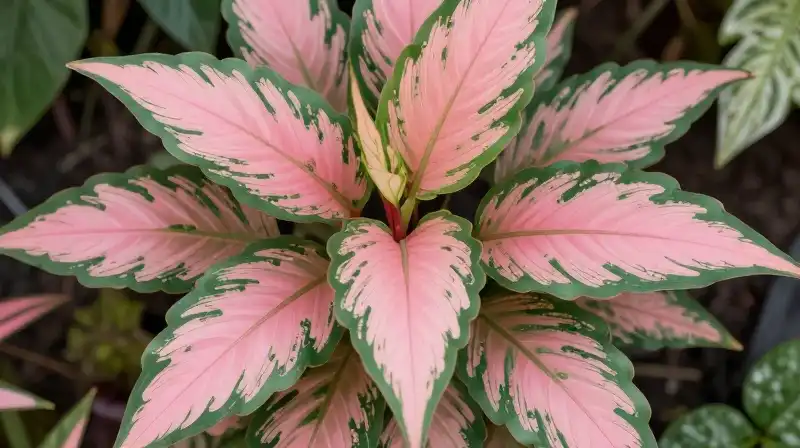 Consistent environmental management is what allows these plants to express their best color and maintain a healthy life cycle. While specific varieties differ, several core principles apply:
Watering and Soil Management
Proper drainage is critical. For most green pink leaf plants, especially Caladium and Coleus, the soil should be a rich, well-draining potting mix.
- The Dry Test: To prevent root rot, check the soil thoroughly. Allow it to dry out completely between deep waterings, unless the specific plant, like certain Caladium varieties, prefers a more consistently damp environment.
- Soil Composition: Using a mixture with peat or coir helps retain moisture while providing necessary drainage.
Light and Placement Strategy
The “green” in green pink leaf plant usually refers to the base color, but intense sunlight can sometimes bleach or burn the delicate pink pigments.
For indoor placement, select a location that is consistently well-lit but shielded from direct, intense afternoon sun, which can scorch the leaves. When growing these plants outdoors, most varieties benefit from some degree of shade throughout the hottest part of the day to protect the vibrant colors from UV degradation.
Common Care Pitfalls and Limits
Achieving a vibrant, sustained pink hue often relies on specific triggers, but mismanaging care can lead to a duller, less colorful plant.
- Color Intensification: For some plants (like Thymus pulegioides), pink coloration is intensified by cooler temperatures. Conversely, some plants may lose color under extreme heat.
- Pest Watch: Due to their colorful foliage, these plants are sometimes targets for scale or spider mites. Regular inspection and maintaining good air circulation are preventive measures.
- The Cold Limit: Many ornamental pink leaf plants are not frost tolerant. If they are semi-hardy, you must have a plan for protecting or overwintering them in a heated environment when temperatures drop below freezing.
Synthesizing Your Gardening Decision
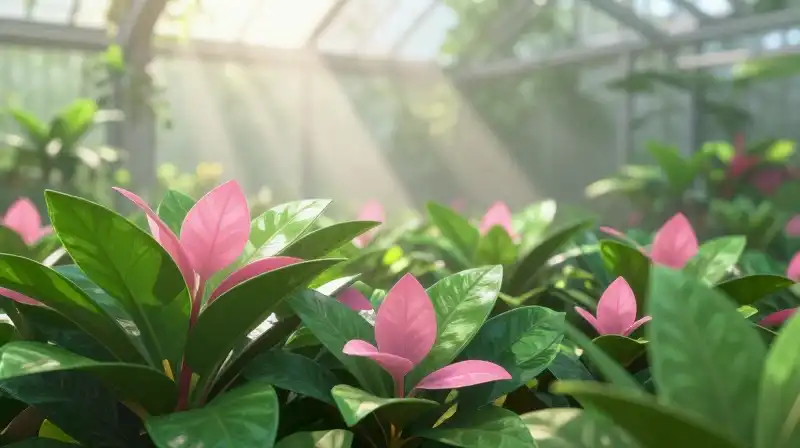 When searching for the best green pink leaf plants, evaluate your space before committing to a purchase. If you prioritize low-maintenance shrubbery, Loropetalum is a durable choice for partial shade. If maximum visual impact in a pot is your goal, Coleus or Caladium offers the boldest contrast. Always match the plant’s specific light and moisture needs to your growing environment. Focusing on the unique characteristics and care limitations of each variety, rather than general terms, ensures your vibrant foliage thrives.
Explore more: The Three Horns of Odin: Mythological Origins and Historical
How to Successfully Grow Green Pink Leaf Plants
Assess Your Growing Environment
Determine if your desired location is indoor or outdoor and assess the specific conditions, such as available shade, light intensity, and climate (to determine if overwintering is required).
Select the Right Variety
Choose a green pink leaf plant (such as Caladium, Coleus, or Loropetalum) that is specifically suited to the light, water preference, and climate conditions of your chosen placement.
Prepare the Soil
Use a rich, well-draining potting mix, preferably containing peat or coir, to ensure adequate moisture retention while preventing root rot.
Optimize Placement and Light
Place the plant in a location that is consistently well-lit but shielded from direct, intense afternoon sun to protect the delicate pink pigments from bleaching or burning.
Implement Watering Practices
Water deeply but allow the soil to dry out completely between waterings, performing a 'dry test' to prevent overwatering, unless your specific variety requires a consistently damp environment.
Monitor for Pests and Environmental Stress
Regularly inspect the foliage for common pests like spider mites or scale, maintain good air circulation, and ensure the plant is protected from extreme cold or excessive heat.
Related Articles