Begonia Pink Plant Care: A Comprehensive Growing Guide

Introduction
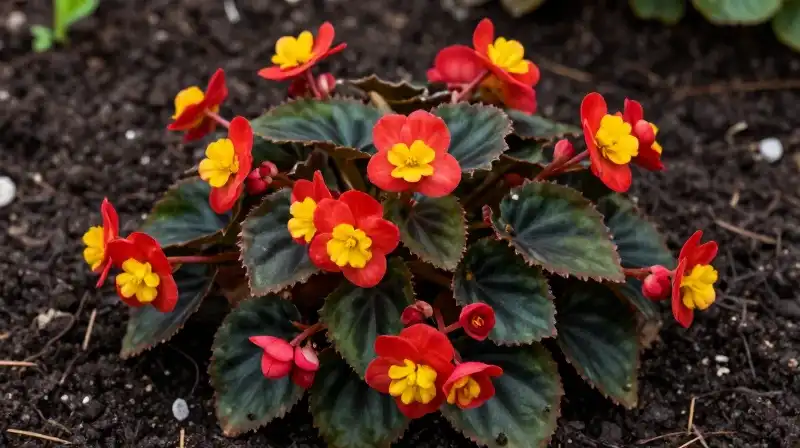
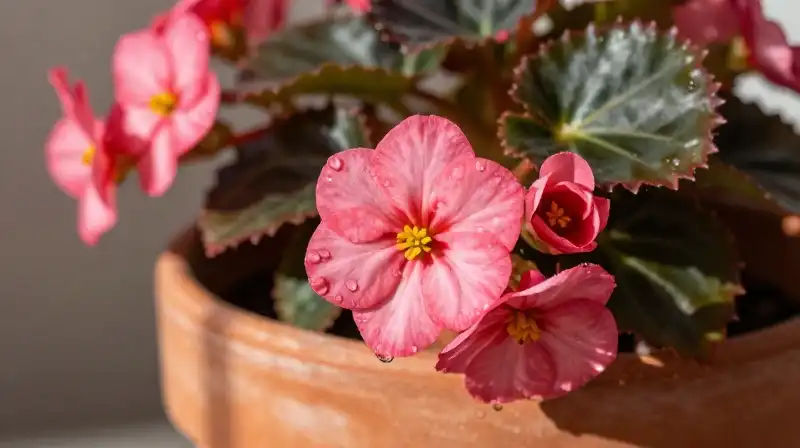
The Begonia pink plant is a celebrated ornamental choice, prized for its delicate, vibrant blooms and highly decorative foliage. Native to tropical regions of the Americas and Asia, these semi-tropical plants offer versatile aesthetics, whether utilized as a dramatic color accent or a stunning textural element in a garden. Successful cultivation requires understanding that different varieties, such as Rex and Tuberous types, have distinct needs. A comprehensive guide to caring for your begonia pink plant focuses on meeting its specific environmental demands—namely consistent moisture, protection from intense heat, and well-draining substrate—to ensure continuous healthy growth and vivid color.
Light and Location: Determining the Ideal Environment
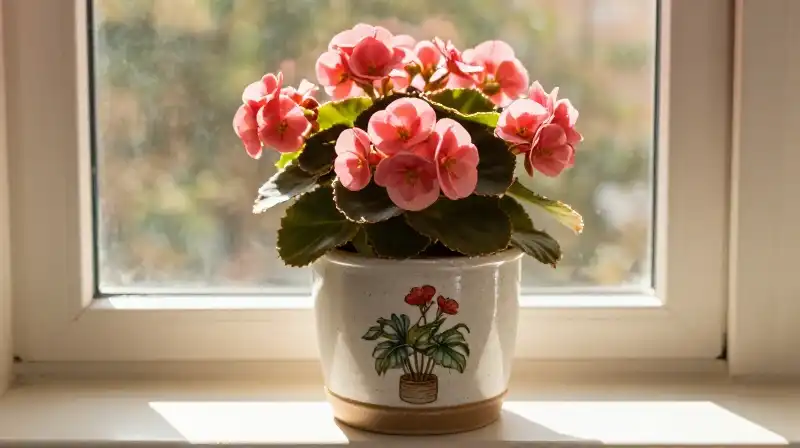
One of the most critical factors in the health of a begonia pink plant is its light exposure. While many varieties, including certain Rex begonias, tolerate lower light conditions, achieving vibrant pink blooms and maintaining strong growth typically requires bright, filtered light. Exposure to harsh, intense afternoon sun is generally detrimental and can scorch the delicate foliage, especially in warmer climates.
Indoor vs. Outdoor Cultivation
The optimal placement depends largely on your geographic zone and the specific begonia variety you have selected. Understanding the required temperature and light levels prevents common growth issues.
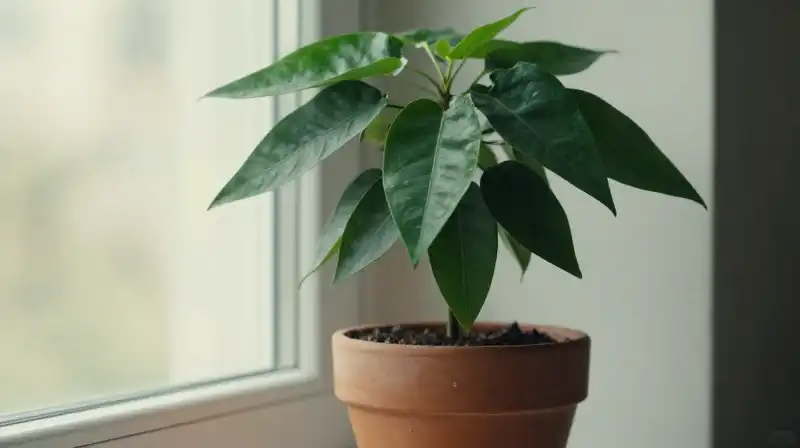
- Indoor Placement: For indoor success, place your begonia pink plant near an east-facing window or in a spot that receives indirect, bright light throughout the day. Keep the surrounding air humid, as begonias thrive in higher humidity.
- Outdoor Placement: Outdoor begonias, especially Tuberous types, require a protected site. They need consistently warm temperatures; planting outside generally requires nighttime temperatures to maintain 50°F or warmer. They should be situated in shaded areas that receive morning sun but are shielded from the intense heat of the late afternoon.
The Essential Care Routine: Watering, Soil, and Nutrition
Maintaining the correct balance of moisture is the primary challenge in begonia care. While they love moisture, they are highly susceptible to root rot if the soil remains soggy. This delicate balance must be maintained through proper watering techniques and substrate choice.
Soil and Drainage Requirements
Beginodias prefer rich, fertile soil that is exceptionally well-draining. Do not use heavy garden soil. A mix incorporating peat moss, perlite, or horticultural grit is ideal. This aeration ensures that water can pass through quickly, preventing waterlogging.
Watering Techniques
Always allow the top one to two inches of soil to begin drying out before watering again. When you do water, ensure you soak the roots thoroughly until water flows freely from the drainage holes. Never allow the pot to sit in standing water. Overwatering is the single most common mistake leading to plant demise.
Fertilizing for Peak Bloom
To support the vibrant coloration and healthy growth of your begonias, regular feeding during the active growing season is necessary. Apply a balanced, slow-release fertilizer or a diluted liquid fertilizer following the package instructions. Consistent, moderate feeding will encourage the plant to maintain its optimal health and prolific flowering.
Understanding Growth Forms and Leaf Variations
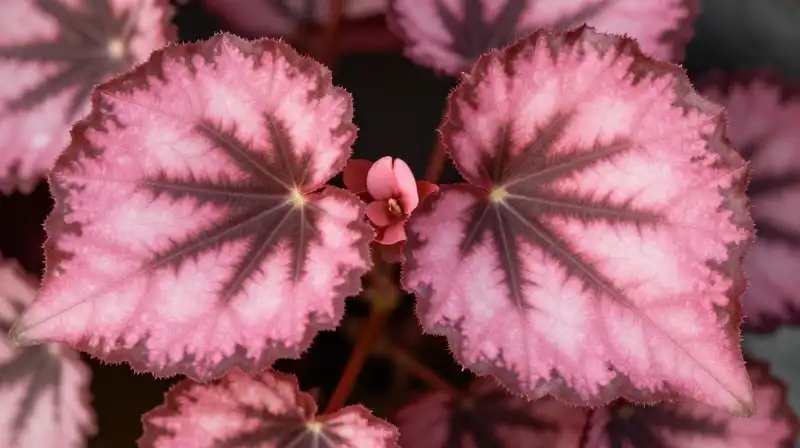
Not all begonias are created equal. The term “begonia pink plant” encompasses several distinct types, and understanding their characteristics helps in matching them to the right environment and container.
Rex vs. Tuberous and Wax Varieties
| Variety | Defining Feature | Ideal Landscape Use | Color Focus |
|---|---|---|---|
| Rex Begonias | Highly decorative, often variegated foliage (e.g., silver, burgundy, deep purple). | Foliage focus, mixed containers, dramatic statement plants. | Foliage color (red, pink, silver) |
| Tuberous Begonias | Large, brightly colored, often showier flowers on long stems. | Hanging baskets, mass color plantings. | Bloom color (vivid pink) |
| Wax Begonias | Often semi-trailing, durable, and good for low-light settings. | Shrub-like plantings, lower container elements. | Bloom or leaf color |
Specific selections like Solenia Dark Pink or Begonia pink minx utilize these different structures, offering distinct visual impacts. If you are prioritizing dramatic leaf patterns over bright floral displays, Rex varieties are the best fit. If large, trailing pink flowers are the goal, Tuberous types are superior.
Care and Maintenance Tips for Longevity
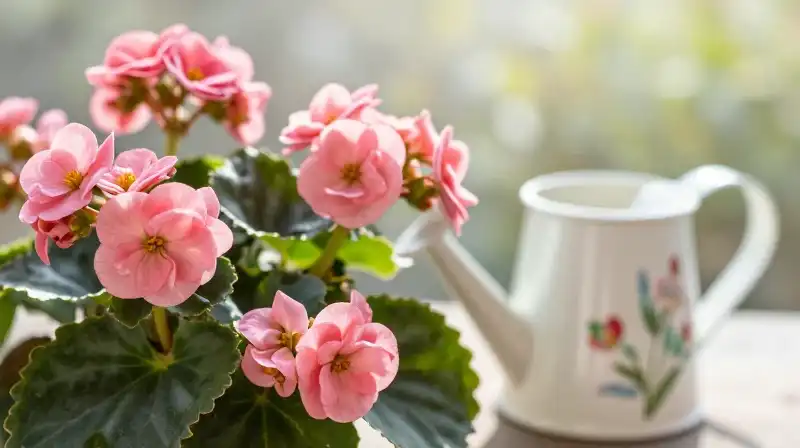
Beyond the fundamental care routine, several maintenance tasks ensure your begonia pink plant remains robust and free from issues like legginess or pests.
Pinching and Pruning
If your begonia begins to stretch or appear “leggy” (stretching excessively between nodes in search of light), it should be pinched back. Removing the soft growth encourages the plant to bush out, resulting in a denser, more compact, and fuller appearance. Regular pruning also helps direct energy toward foliage and blooms rather than uncontrolled vertical growth.
Preventing Common Issues
- Avoiding Wet Leaves: When watering, try to water the soil directly rather than misting the leaves. Wet foliage can encourage fungal issues and mold.
- Managing Dormancy: While many types are hardy perennials in Zones 9-11, tuberous varieties may go dormant in winter if temperatures drop too low or if the climate is too cool. Be prepared to let them rest, allowing them to recover when warm weather returns.
- Pest Monitoring: Regularly check the undersides of leaves for common pests like aphids, which are often drawn to new growth. Early detection makes treatment much simpler.
Summary of Priorities for Success
Cultivating a thriving begonia pink plant relies on respecting its semi-tropical nature and adhering to strict moisture management. The primary focus must be on providing bright, filtered light and ensuring the substrate drains rapidly. When purchasing a begonia pink plant, consider the variety’s growth habit (Rex for foliage, Tuberous for flowers) to match its needs to your landscape. Consistent feeding and proactive care—such as pinching back leggy stems and monitoring soil moisture closely—will lead to a rewarding display of vibrant color and lush greenery.
Explore more: Dia de los Muertos Skull Designs: Symbols and Artistic Inspi
How to Successfully Grow a Begonia Pink Plant
Determine the Ideal Location
For indoor growth, place the plant near an east-facing window or in a spot that receives indirect, bright light throughout the day. Outdoor varieties require a protected site with consistently warm nighttime temperatures (50°F or warmer), shielded from intense afternoon heat.
Prepare the Correct Substrate
Use a rich, fertile, and exceptionally well-draining mix. Avoid heavy garden soil and use a blend incorporating materials like peat moss, perlite, or horticultural grit to ensure quick aeration and drainage.
Establish Proper Watering Techniques
Maintain a delicate moisture balance. Allow the top one to two inches of soil to dry out before thoroughly soaking the roots until water flows freely from the drainage holes. Never allow the pot to sit in standing water.
Fertilize During Active Growth
To support vibrant coloration and healthy growth, apply a balanced, slow-release fertilizer or a diluted liquid fertilizer according to the package instructions during the plant's active growing season.
Maintain Plant Shape and Health
If the plant begins to stretch or appear leggy, pinch back the soft growth to encourage a denser, more compact, and fuller appearance. Additionally, avoid misting leaves when watering, as wet foliage can encourage fungal issues.
Related Articles