Ficus carica ‘Olympian’ Cultivation Guide: Growing Tips and Care

Introduction
The Ficus carica ‘Olympian’ is a highly regarded fig cultivar known for its remarkable cold hardiness and prolific yield. Unlike typical fig varieties, ‘Olympian’ is celebrated for its robust nature, capable of thriving in cooler climates (USDA zones 6-10). Successful cultivation, however, is not merely about planting the seed; it requires a precise understanding of the plant’s specific environmental demands, particularly concerning sunlight, soil composition, and maintenance timing. This guide details the essential steps for growing Ficus carica ‘Olympian,’ providing the practical knowledge needed to ensure your investment results in a healthy, productive tree.
Understanding the Olympian Cultivar
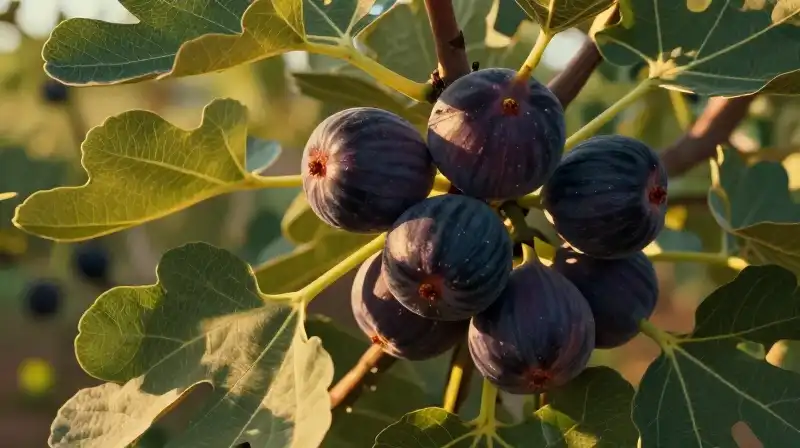
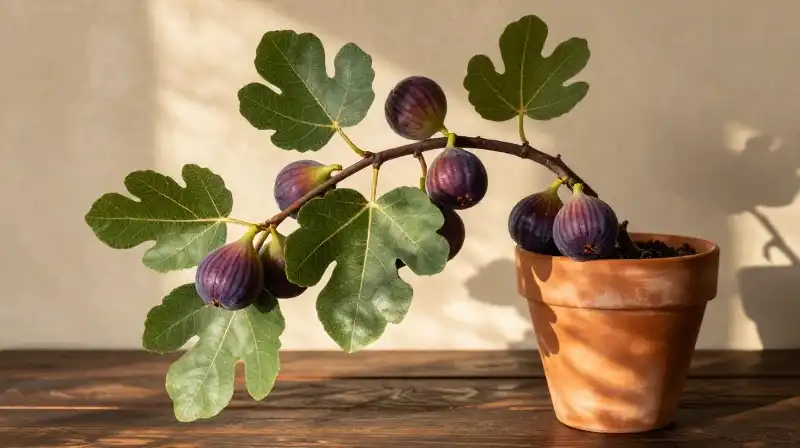
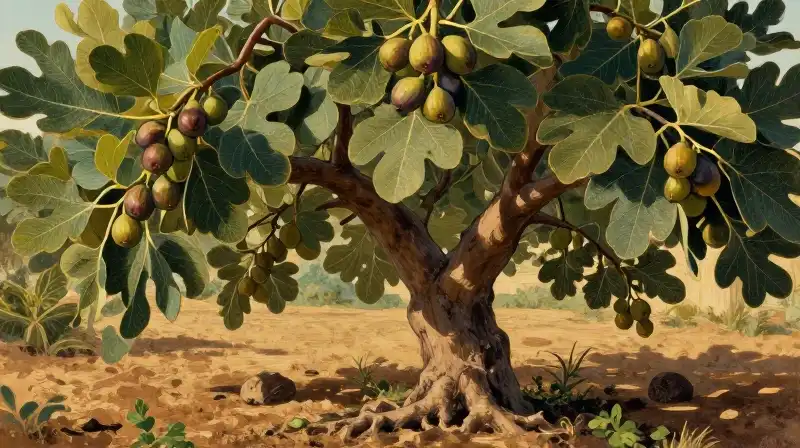
The ‘Olympian’ variety is primarily grown as a small tree or a large shrub, characterized by its vigorous, bushy, and spreading habit. It typically reaches heights of 6 to 10 feet. Physically, it features large, deeply lobed green foliage and smooth, gray bark. The fruits are its most distinctive feature: large, sweet, and possessing a characteristic violet skin that matures into rich red flesh in the late summer and early fall. It is worth noting that while it is partially self-fertile, planting similar fig varieties nearby greatly enhances pollination and yield.
Optimal Placement and Planting Requirements
The success of Ficus carica ‘Olympian’ is directly tied to its initial placement and the structural integrity of its planting. Because it is a living organism, meeting these specific needs early on is critical for long-term health.
Sunlight and Site Selection
For optimal yield, ‘Olympian’ demands substantial direct sun. It requires a minimum of 6 to 8 hours of daily direct sunlight. Placing it in partial shade will significantly reduce fruit production and potentially stunt its vigorous growth habit. Due to its high-sun requirement, select a location that receives uninterrupted solar exposure throughout the growing season.
Soil and Planting Procedure
The plant thrives in rich, well-draining soil with a neutral to slightly alkaline pH. Never plant it in poorly draining or consistently waterlogged areas, as this can lead to root rot and failure. When transplanting, ensure the plant is positioned at the correct depth. Placing it too shallow or too deep can severely impede its ability to establish a strong root system, which is vital for resisting external elements.
Establishing a Maintenance Schedule
Proper maintenance is not passive; it is an active, seasonal process that dictates the tree’s health and fruit quality. The following routine should be adhered to.
- Watering: Regular watering is necessary, especially during fruit development, to support the metabolic demands of the plant. However, the soil must be allowed to dry slightly between waterings to prevent root damage and ensure healthy root function.
- Fertilization: Apply a balanced, slow-release fertilizer in early spring. This provides the necessary nutrients for vigorous leaf and fruit development.
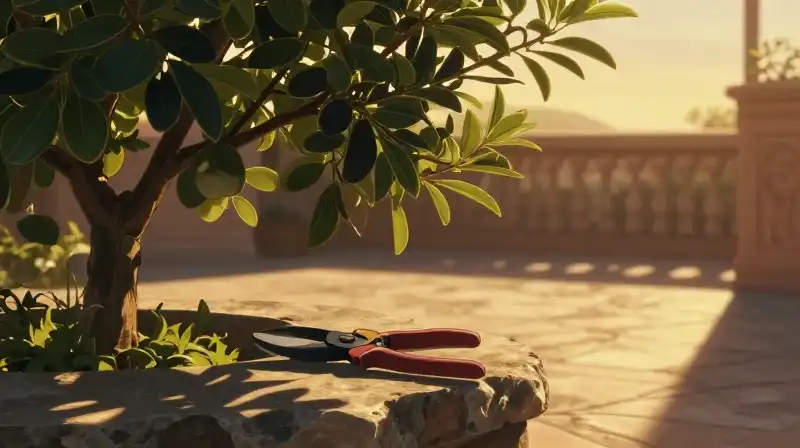
- Pruning: Strategic pruning is recommended to maintain structure and encourage better fruit placement. During the cooler months, prune approximately 1/4 to 1/3 of the older branches. This controlled pruning encourages a more bushy, productive habit.
Addressing Key Cultivation Concerns
Understanding common concerns helps solidify the cultivation strategy, particularly when comparing ‘Olympian’ to other common fig varieties.
Does ‘Olympian’ Like Sun or Shade?
Ficus carica ‘Olympian’ requires full sun. It is a sun-loving species. Any attempts to grow it in deep shade will result in sparse growth, reduced vigor, and poor fruit set. Full, intense sunlight is a non-negotiable requirement for achieving its characteristic size and sweet fruit quality.
How Long Does it Take for Olympian Figs to Fruit?
Given its cold hardiness and vigorous nature, ‘Olympian’ generally develops fruit annually. If properly cared for, you can expect production to begin within its first year of planting, with the primary ripening period falling in the late summer to early fall.
Olympian Fig vs. Brown Turkey
While both are notable cultivars, ‘Olympian’ is often distinguished by its superior cold hardiness within USDA zones 6-10 and its specific growth habit. Both are prized for flavor, but ‘Olympian’ is specifically noted for its hardiness and spreading habit, making it well-suited for regions where general fig cultivation might fail.
Risk Mitigation and Care Limitations
To maximize the longevity and success of your ‘Olympian’ tree, it is essential to recognize the environmental limits and external pressures the plant faces.
Environmental Limits and Placement:
-
The guarantee of successful growth is strictly contingent upon planting within recommended horticulture zones. Attempting to establish ‘Olympian’ in zones outside its recommended cold hardiness range will render the guarantee null and void.
-
Successful establishment also requires careful protection from external elements and wildlife. Deer and rabbits are known pests to figs, and protective measures should be implemented in high-wildlife areas to prevent damage to the foliage and young fruit.
Maintenance and Safety:
-
When handling fruit or sap, be aware that compounds within the fig can cause skin irritation or gastrointestinal discomfort, particularly for sensitive individuals and pets. Always practice proper hygiene.
-
For optimal health, root types of replacements must precisely match the original plant order. Furthermore, achieving successful growth requires the owner to follow planting and watering instructions rigorously, as the tree cannot survive neglect or improper environmental conditions.
Achieving Sustainable Success
Growing Ficus carica ‘Olympian’ is a rewarding process that rewards diligent care with sweet, robust fruit. The key to overcoming potential obstacles lies in respecting its needs for intense sunlight (6-8 hours) and excellent drainage. By adhering to a structured maintenance schedule—specifically seasonal fertilization and strategic pruning—and by planting within its suitable climate zone, you provide the best foundation for its vigorous growth. Remember that ‘Olympian’ is not merely a hardy plant, but a performance-driven cultivar that requires precise environmental conditions to meet its full cultivation potential.
Frequently Asked Questions
How long does it take for Olympian figs to fruit?
If properly cared for, the ‘Olympian’ variety generally develops fruit annually, with production expected to begin within its first year of planting. The primary ripening period for these figs falls in the late summer to early fall.
Do Olympian figs like sun or shade?
Ficus carica ‘Olympian’ requires full sun and is a sun-loving species. It demands a minimum of 6 to 8 hours of daily direct sunlight, as placing it in partial shade will significantly reduce fruit production.
How to Grow Ficus carica ‘Olympian’
Select Optimal Site and Soil
Choose a location that receives a minimum of 6 to 8 hours of daily direct sunlight. Ensure the planting area has rich, well-draining soil with a neutral to slightly alkaline pH.
Proper Planting
When transplanting the plant, position it at the correct depth to allow for the establishment of a strong root system.
Water Management
Water regularly, especially during fruit development, but ensure the soil is allowed to dry slightly between waterings to prevent root damage.
Fertilization
Apply a balanced, slow-release fertilizer in early spring to provide the necessary nutrients for vigorous leaf and fruit development.
Strategic Pruning
During the cooler months, perform strategic pruning by removing approximately 1/4 to 1/3 of the older branches to encourage a bushy, productive habit.
Pest and Environmental Protection
Implement protective measures against common pests like deer and rabbits, and ensure the plant is cultivated within its recommended cold hardiness zones (USDA zones 6-10).
Related Articles