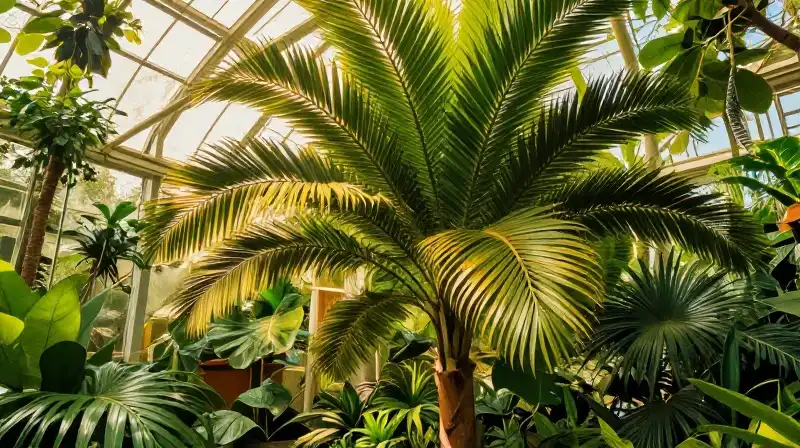
Travelers Tree: Giant Palm Facts, Care, and Environmental Needs

Introduction
The Traveler’s Tree, scientifically known as Ravenala madagascariensis, is one of the most visually striking and monumental monocotyledonous plants in the world. Although its name suggests it belongs to the palm family, it is botanically distinct and is actually a member of the Strelitziaceae family. This plant is native exclusively to Madagascar and is recognized for its tremendous size, featuring giant, paddle-shaped leaves that fan out in a highly organized, planar display. Understanding this unique plant requires clarifying that it is not a true palm, but a magnificent specimen that thrives in specific environmental and landscaping conditions.
What Defines a Travelers Tree?
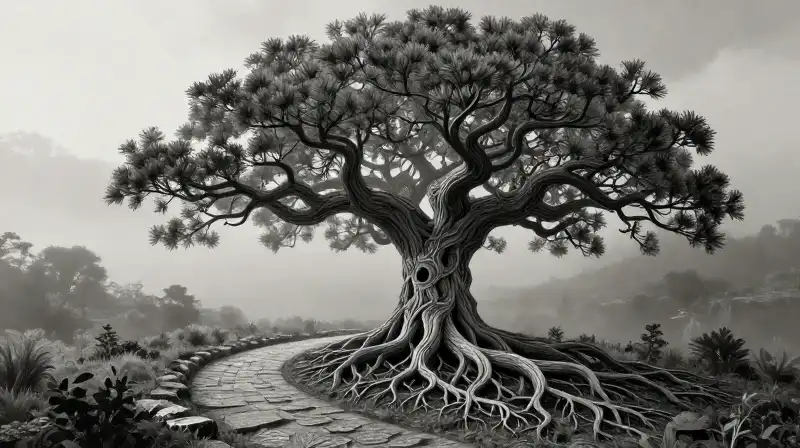 A Travelers Tree is characterized by its massive scale and singular, distinctive architecture. Mature specimens are known for their robust structure, featuring a sturdy grey trunk that can reach heights of up to 100 feet in its native habitat. While some sources cite figures as low as 30 to 50 feet, the scale is truly colossal. Key physical attributes include:
- Leaf Structure: Enormous, paddle-shaped leaves that are aligned in a single plane (distichous). Individual blades can reach lengths of up to 36 feet.
- Growth Pattern: The tree transitions from a subterranean phase to a visible, lengthening trunk, developing a strong, tree-like form.
- Taxonomy: It belongs to the ginger family (Strelitziaceae), meaning its floral structures are similar to the bird-of-paradise family, producing large, white flowers and brilliant blue seeds.
It is crucial to note that the Travelers Tree must not be confused with other similar species, such as Ravenea madagascariensis.
Why is it called the Traveler’s Tree?
 The moniker “Traveler’s Tree” originates from its practical use and the visual characteristics of its leaves in Madagascar. Historically, the stem or the broad, directional leaves were utilized by local populations. These leaves were often used to collect rainwater during dry periods, providing essential resources for travelers and communities. Furthermore, the plant’s leaves served as natural directional cues, allowing travelers navigating the landscape to orient themselves.
Environmental Requirements and Habitat
 The Travelers Tree is highly sensitive to its environment, preferring conditions that mimic its tropical, native habitat. It is not suitable for cold climates, possessing a definite temperature limit.
Ideal Growing Conditions
The plant requires several specific factors to flourish:
- Sunlight: It must be planted in a location receiving full, unobstructed sun.
- Soil: Organic-rich, moderately moist, and exceptionally well-drained soil is necessary to prevent root damage.
- Temperature: It is intolerant of cold. It cannot tolerate temperatures falling below 40°F and often requires protection, such as a greenhouse, during cold seasons.
- Water Management: While it generally requires moderate water, excessive saturation must be avoided. The broad bases of the leaves are designed to catch and hold water, offering some resilience during dry environmental conditions.
Native Range and Ecology
In its natural state, the Travelers Tree is highly adaptable, thriving across Madagascar in diverse zones. Its typical range includes humid lowlands, montane areas, and even rocky terrains, extending up to elevations of 1,500 meters. Ecology research has revealed a specific symbiotic relationship: the tree acts as a vital resource and host plant for ruffed lemurs, which serve as crucial pollinators for the species.
Cultivation and Maintenance Strategies
Due to its immense size, careful cultivation and management are critical for maintaining the desired aesthetic form and preventing common failures.
Preventing Structural Degradation
A major priority in maintaining a high-quality specimen is managing offsets. If offsets or root suckers are allowed to develop unchecked, they can compromise the desirable, upright, tree-like structure, turning a magnificent trunk into a sprawling cluster. These root suckers should be managed and controlled during the growing phase.
Space and Size Considerations
Because of its massive mature size, the Travelers Tree is fundamentally suited for large-scale landscapes, dedicated parks, or expansive properties. If growing in a managed setting without outdoor space, it requires very large containers that can accommodate its immense root system.
Critical Care Warnings and Decision Criteria
 When deciding whether or how to grow a Travelers Tree, focus must remain on its specific limits and primary points of failure.
The single greatest risk in care is overwatering, which is the leading cause of root rot. Since the tree naturally stores water in its leaves, gardeners must be highly diligent about maintaining proper drainage and watering schedules, especially during periods of lower humidity.
For practical evaluation, consider these points before planting:
- Space Commitment: Can the available land or container size accommodate a specimen that can reach 30-50 feet?
- Climate Stability: Is the microclimate guaranteed to stay above 40°F, especially during winter?
- Fertilization: During the active growing season, providing nitrogen-rich fertilizer can support vigorous growth, though soil health remains the most important factor.
By prioritizing correct drainage, consistent sun exposure, and strict temperature control, the magnificent Travelers Tree can be maintained as a spectacular focal point in a landscape.
Frequently Asked Questions
Why is it called Traveler's tree?
The moniker Traveler’s Tree originates from the practical use of its stem and broad, directional leaves by local populations. These leaves were historically used to collect rainwater during dry periods and also served as natural directional cues for travelers navigating the landscape.
What is a traveler's tree?
The Travelers Tree (Ravenala madagascariensis) is a monumental monocotyledonous plant characterized by its enormous, paddle-shaped leaves. It is known as such because its leaves were historically used by local populations in Madagascar to collect rainwater and provide natural directional cues for travelers.
What is the traveler's tree in real life?
The Travelers Tree, scientifically known as Ravenala madagascariensis, is a visually striking and monumental monocotyledonous plant that belongs to the Strelitziaceae family. Native exclusively to Madagascar, it is characterized by its massive scale and enormous, paddle-shaped leaves.
How to Grow a Traveler's Tree
Select Adequate Space
Evaluate whether the available land or container size can accommodate a specimen that will reach a massive size of 30-50 feet.
Establish Correct Sunlight
Plant the tree in a location that receives full, unobstructed sun.
Prepare the Soil
Use organic-rich, moderately moist, and exceptionally well-drained soil to prevent root damage and ensure proper drainage.
Manage Temperature
Ensure the microclimate stays above 40°F, as the plant cannot tolerate cold; use a greenhouse if cold weather is expected.
Implement Water Management
Apply moderate watering, being highly diligent about maintaining proper drainage and avoiding excessive saturation.
Apply Fertilizer and Prevent Degradation
During the active growing season, provide nitrogen-rich fertilizer to support growth, and manage and control any offsets or root suckers to maintain an upright structure.
Related Articles