Mastering Begonia Black Magic: Essential Care for Thriving Plants

Introduction
Begonia Black Magic is prized by collectors for its striking foliage, yet its beauty relies on highly specific environmental conditions. Unlike hardier house plants, this variety is sensitive to small changes in light, moisture, and temperature. To master the care of this unique begonia, you must focus on providing the perfect balance of consistent moisture and robust, filtered light, while meticulously avoiding common pitfalls like leaf-wet watering or harsh sun exposure.
Watering Protocols for Delicate Roots
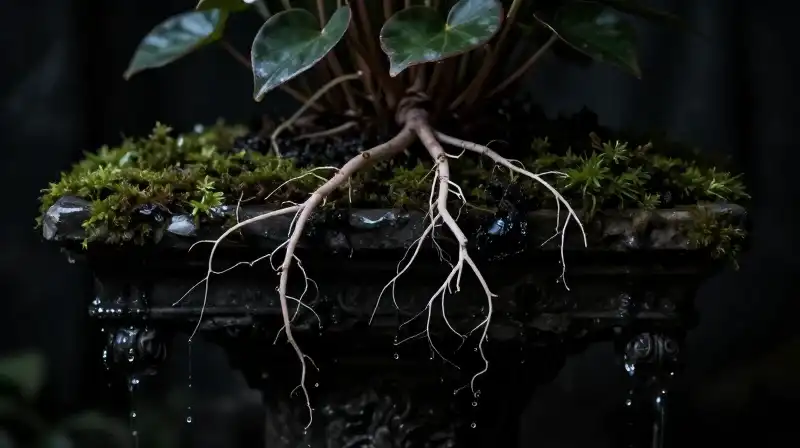 Proper hydration is critical for Begonia Black Magic, but precision is required. The goal is to maintain consistent moisture throughout the root zone without ever letting the soil become waterlogged.
To prevent root rot, which is the leading cause of begonia failure, wait until the top inch of the soil feels entirely dry to the touch before watering again. When you do water, ensure the moisture saturates the soil thoroughly but is then allowed to drain completely through the drainage holes. Do not let the pot sit in standing water.
Furthermore, water must be handled gently to avoid damaging the foliage. Always water the soil directly, never mist or spray the leaves. Getting water on the leaves can invite spots, mildew, and fungal issues.
Due to its sensitivity to minerals found in municipal water, we highly recommend using distilled water or collected rainwater. These options are free of chlorine and harsh mineral deposits that can stress the Begonia Black Magic.
Optimizing Light for Foliage Display
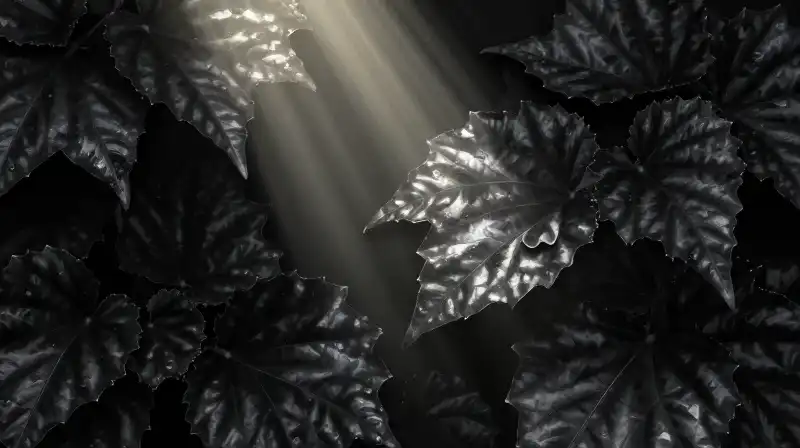 Begonia Black Magic thrives in bright, indirect light, but the distinction between bright and direct is crucial. High levels of intensity can quickly lead to scorching.
The ideal placement is near an East, West, or South-facing window where the plant receives ample natural light, but where the sun’s harsh rays never touch the leaves directly. The filtered brightness required allows the plant to fully express its deep green or variegated patterns without burning the delicate foliage.
Avoid low-light corners, as insufficient light triggers “leggy” growth—long, spindly stems that prioritize vertical reach over healthy leaf production. Conversely, moving the plant too close to a window during the height of summer can cause rapid scorching. Move the plant slightly back or use sheer curtains to achieve the necessary filtered diffusion.
Critical Care Considerations and Environmental Limits
 Beyond light and water, Begonia Black Magic requires careful environmental management to maintain its robust health.
The plant is moderately sensitive to sudden temperature fluctuations. While they tolerate typical indoor temperatures, consistent warmth is best. They perform optimally when placed in an area where air movement is gentle rather than harsh. High humidity is beneficial, especially during warmer months, which helps prevent the dryness that often accompanies strong airflow.
To summarize the care requirements, ensure the environment provides filtered brightness. This eliminates the need for dramatic changes in your home’s decor, as the plant does the work of providing high visual impact with minimal environmental upheaval.
Addressing Blooming Potential in Black Magic Varieties
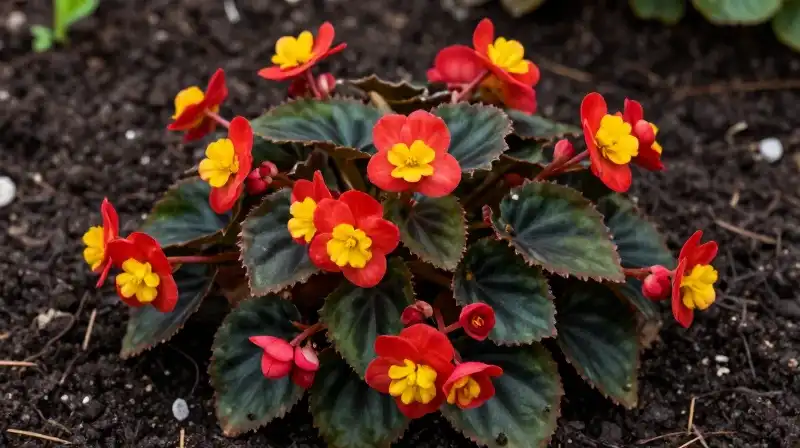
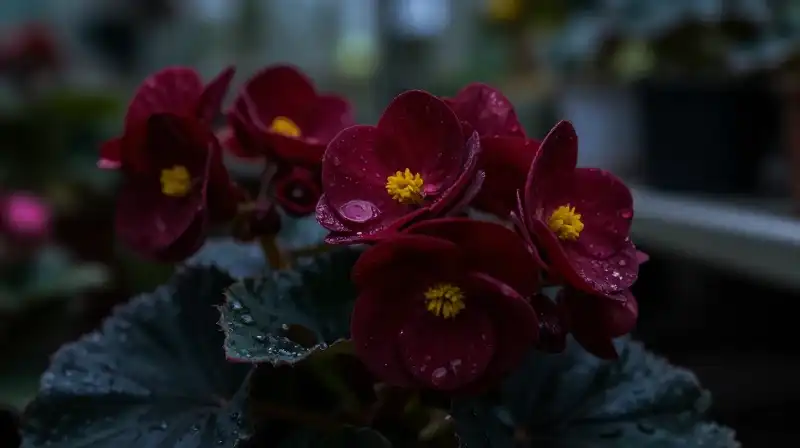
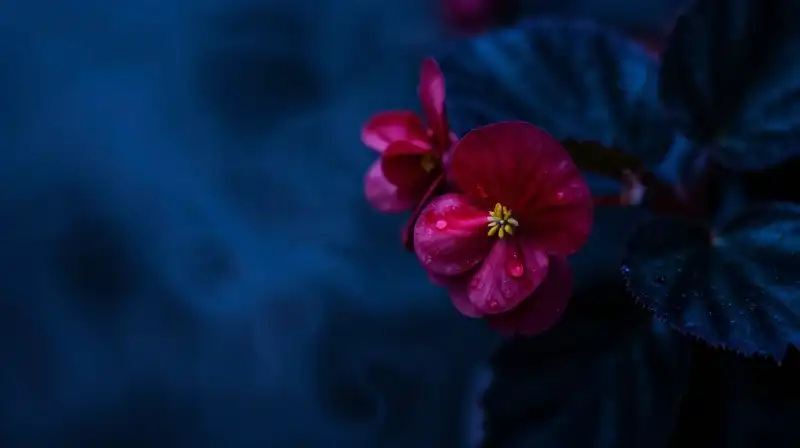 A common query regarding this variety is whether it is a flowering plant. While some begonias are celebrated for elaborate floral displays, the Begonia Black Magic is primarily appreciated for its stunning and complex foliage.
Generally, this specific variety is not a heavy bloomer. Its life cycle and genetic traits prioritize the development of striking, high-contrast leaves over prolific flowering. While certain conditions (such as very high humidity or specific nutrient availability) might encourage occasional blooms in some begonia cultivars, the primary focus and appeal of Black Magic remains its architectural and visual leaf design.
Synthesis: Achieving the Perfect Growing Scenario
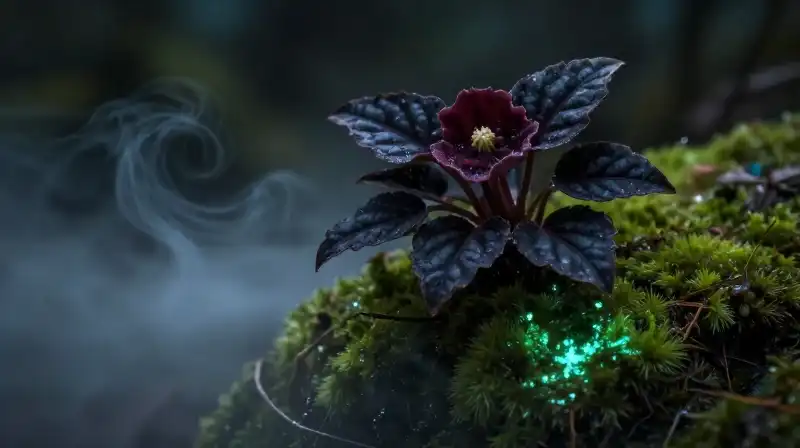 To ensure your Begonia Black Magic flourishes, view its care as a balance of precision and restraint. Do not attempt to force a flowering response if foliage is your primary goal. Focus instead on mastering the moisture curve—let the top inch dry completely before watering—and maintaining a light source that is strong enough to be bright but soft enough to be safe. If the plant is showing signs of stress, such as yellowing leaves or brittle edges, review the light source first, as inappropriate intensity is the most common reason for poor performance.
Explore more: Celtic Symbols for Brotherhood: Meanings and Interpretations
Frequently Asked Questions
Do black magic begonias flower?
Generally, the Begonia Black Magic is not a heavy bloomer because its life cycle prioritizes the development of striking, high-contrast foliage over prolific flowering. The variety is primarily appreciated for its architectural and visual leaf design.
How to Care for Begonia Black Magic
Water the Plant
Wait until the top inch of the soil feels entirely dry to the touch before watering again. Saturate the soil thoroughly and allow it to drain completely through the drainage holes; do not let the pot sit in standing water.
Apply Water Safely
Always water the soil directly. Never mist or spray the leaves, as this can invite spots, mildew, and fungal issues.
Choose Appropriate Water
Use distilled water or collected rainwater, as these options are free of chlorine and harsh mineral deposits.
Optimize Lighting
Place the plant near an East, West, or South-facing window to receive bright, indirect light. Ensure that the sun's harsh rays never touch the leaves directly.
Ensure Proper Environment
Maintain consistent warmth and moderate air movement. Ensure the environment is high in humidity, especially during warmer months.
Related Articles