Japanese Maple in Pot: Optimal Care and Container Planting Guide

Introduction
Growing a beautiful Japanese maple in a container requires adapting standard landscape practices to the unique constraints of a pot. While Japanese maples are prized for their delicate foliage, they are highly susceptible to environmental stresses common in containers, such as overwatering, rapid temperature changes, and root compaction. Achieving a thriving Japanese maple in pot depends on meticulous attention to three areas: proper drainage infrastructure, suitable container material, and a tailored maintenance schedule. This guide provides specific, actionable advice to ensure your Japanese maple remains healthy, maintaining its vibrant color and structural integrity throughout the growing season.
Choosing the Right Container and Setup
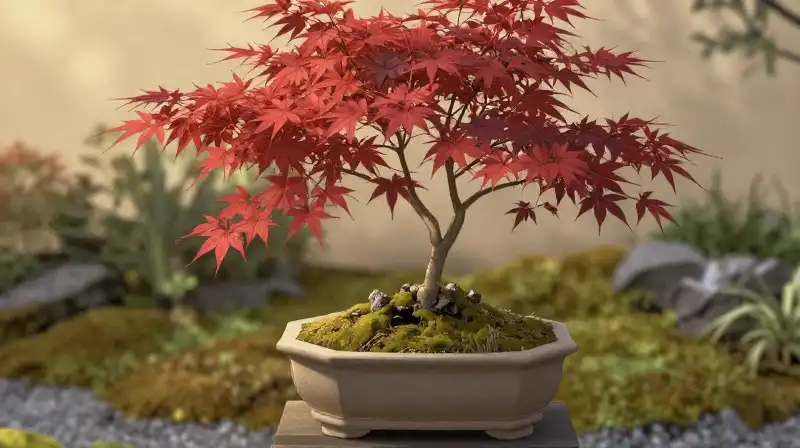 The container itself is not merely a vessel; it is a critical component of the Japanese maple’s environment. The choice of material and how you position the pot dictates temperature stability and moisture management.
Pot Material and Heat Regulation
Japanese maples require stable temperatures. Certain pot materials, such as dark plastics or black terracotta, can absorb and retain excessive heat under direct sunlight, which can scorch roots or stress the plant.
Consider these factors when choosing pot materials:
- Terracotta: Promotes breathability but dries out quickly, requiring frequent watering.
- Light-Colored Glazed Ceramic: Offers heat reflection, keeping the roots cooler in intense sun.
- Plastic (Frosted/Lighter Colors): Lightweight and retains moisture longer, but must be checked regularly for overheating.
Optimizing Drainage and Airflow
To prevent water accumulation and root rot, drainage must be prioritized. Simply using a saucer is insufficient and often harmful.
- Multiple Drainage Holes: The pot must have more than one well-placed drainage hole. This allows water to exit rapidly, preventing prolonged “soggy” conditions.
- Elevating the Container: Never place the pot directly on a solid surface. Use pot feet or bricks to elevate the container, ensuring that air can circulate freely around the base. This promotes drying and prevents moisture buildup that encourages fungal issues.
Pot Sizing and Planting Technique
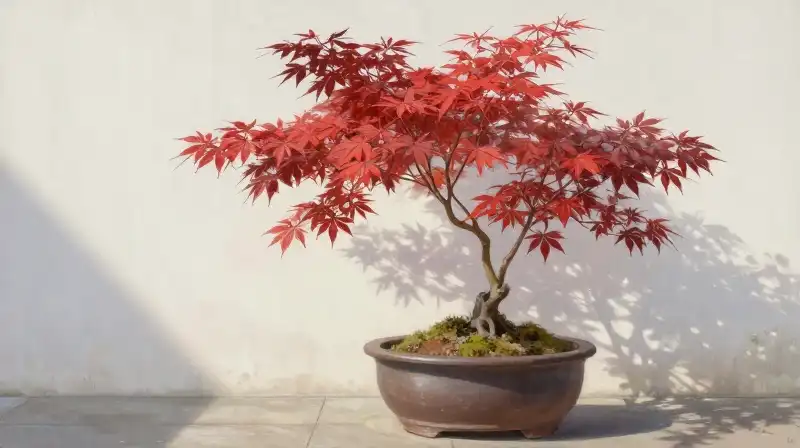 A common mistake in container gardening is starting with an overly large pot or neglecting root health during repotting.
The Principle of Gradual Pot Increase
Do not start a Japanese maple in an oversized pot. Excess soil volume around a smaller root ball leads to poor water retention and encourages shallow, weak root growth. The plant needs suitable, snug living quarters.
Allow the tree to establish itself and provide for it, gradually increasing the pot size only when the existing container becomes completely restrictive, typically after several years of growth.
Soil Preparation and Root Assessment
When repotting a Japanese maple in pot, treat it as a rejuvenation opportunity.
- Fresh Soil: Always replace old, potentially compacted soil with a fresh, nutrient-rich compost blend. This revives the root zone.
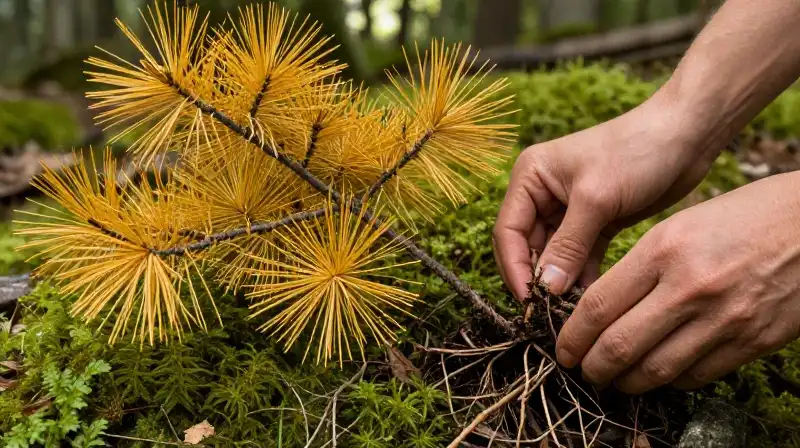
- Root Inspection: Carefully examine the roots. Look for signs of being overly crowded or roots growing aggressively into the drainage holes (a sign of restricted growth). Trim any circling or matted roots to encourage outward, healthy expansion.
- Thorough Watering: After placing the tree in its new home, water thoroughly until you see excess water draining from the bottom. This settles the soil and ensures all roots have contact with moisture.
Daily Care and Watering Protocol
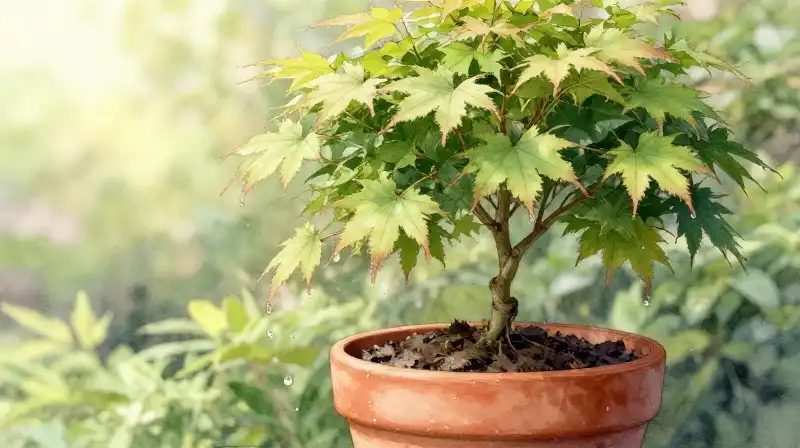 Consistency and vigilance are key to maintaining a healthy Japanese maple in pot.
Effective Watering Without Over-Saturation
Japanese maples are sensitive to constant moisture. While containers dry out quickly, they should not be kept perpetually wet.
- The Finger Test: Before watering, test the top inch of soil with your finger. If it feels dry, it is time to water. If it feels even slightly damp, wait.
- Dormancy Caution: During hot summer months, containers require more frequent monitoring because the soil evaporates rapidly.
- Avoid the “Soggy” State: The goal is moist, but never saturated. Ensure the drainage system is functioning to prevent stagnation.
Fertilizer and Nutritional Management
While Japanese maples benefit from consistent feeding, over-fertilization can lead to weak foliage and unwanted growth.
It is advisable to use slow-release, balanced blends. Critically, avoid heavy feeding after May. Most deciduous maples require a period of reduced vigor to prepare for dormancy, and excessive nutrients interfere with this natural process.
Seasonal Care and Maintenance Cycles
The Japanese maple requires specific timing for maintenance tasks to align with its natural growth cycles.
Dormancy and Repotting Windows
The ideal time to perform major maintenance is during the plant’s resting period.
Japanese maples should be repotted during their dormant period, which typically falls between February and March. This timing ensures the plant is not actively growing, minimizing stress from root disturbance, and allowing the roots to establish themselves before the rapid spring growth begins.
Sunlight and Companion Plants
Japanese maples typically prefer partial shade, which helps maintain the vibrant color of the leaves.
When selecting companion plants for the pot, choose low-water, non-invasive varieties. These plants should not compete with the maple for essential nutrients or crowd its root space.
Final Considerations for Container Longevity
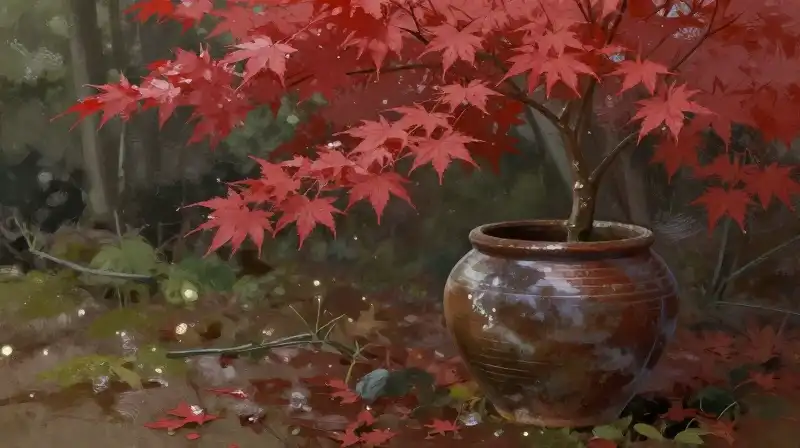 Maintaining a Japanese maple in pot is a balance between providing necessary moisture and preventing environmental extremes. Successful container gardening hinges on a few practical commitments.
Remember that the primary enemies of the Japanese maple in a pot are insufficient drainage and temperature instability. By elevating the container, choosing a reflective pot material, and using the “finger test” to guide watering, you mitigate these risks. Focus on gradual, necessary repotting during dormancy, and treat the soil as a living system that requires careful, balanced nourishment. Following these criteria transforms the Japanese maple from a delicate ornament into a resilient, thriving plant.
How to Repot and Establish a Japanese Maple
Replace Soil
Always replace old, potentially compacted soil with a fresh, nutrient-rich compost blend to revive the root zone.
Inspect and Trim Roots
Carefully examine the roots for signs of crowding or aggressive growth into drainage holes. Trim any circling or matted roots to encourage outward, healthy expansion.
Place the Tree
Carefully place the tree into its new, appropriately sized home, ensuring it fits snugly.
Water Thoroughly
Water the newly potted tree thoroughly until excess water drains completely from the bottom. This settles the soil and ensures all roots receive moisture.
Related Articles