Pinus koraiensis: Edible Nuts, Timber, and Ecological Uses

Introduction
The Korean pine (*Pinus koraiensis*) is far more than a decorative specimen; it is a highly resilient, multi-purpose relic species of conifer native to eastern Asia. Celebrated not only for its impressive stature and rugged beauty but also for its valuable yield—chiefly its highly prized pine nuts and its robust timber—this species represents a significant intersection of culinary, industrial, and ecological utility. Understanding *Pinus koraiensis* means recognizing its adaptability; it can thrive in the demanding conditions of both ancient forest ecosystems and modern urban environments.
This guide explores the complete profile of the Korean pine, detailing its practical applications across forestry and gastronomy, outlining its specific cultivation needs, and clarifying its vital role in the environment. Whether you are considering planting a durable landscape tree, harvesting specialized timber, or seeking the nutritional benefits of its seeds, this comprehensive overview provides the necessary criteria for informed decision-making.
Understanding Pinus koraiensis: Taxonomy and Characteristics
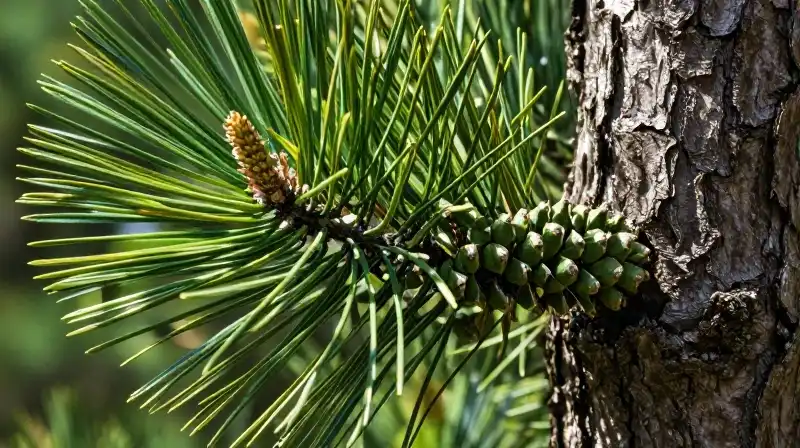
Native to Korea, northeastern China, and temperate regions of the Russian Far East and central Japan, *Pinus koraiensis* belongs to the group of white pine species. It is classified as a relic species of the Tertiary period, indicating its long evolutionary history in Asian ecosystems. This species is widely recognized by its distinctive morphological features and remarkable longevity.
- Size and Shape: Young Korean pines typically develop a narrow pyramidal shape, which gradually matures into a loose, rounded crown featuring horizontal branching. While they can reach significant heights (30–50 feet), in optimal wild conditions, they may exceed 100 feet (20–35 meters).
- Foliage: The needles are blue-green, clustered in bundles of five, and are approximately 4 1/2 inches long.
- Bark: The outer bark is usually gray or gray-brown, which flakes away as the tree ages to reveal a reddish-brown inner layer.
- Lifespan: The species possesses an extremely long lifespan, with records showing individuals can endure for up to 700 years in natural habitats.
The Utility of Korean Pine: Food and Timber
The value of *Pinus koraiensis* is rooted in the high quality and versatility of its harvested components. The most famous yield is the nut, followed closely by its robust wood.
Culinary Potential: The Pine Nut
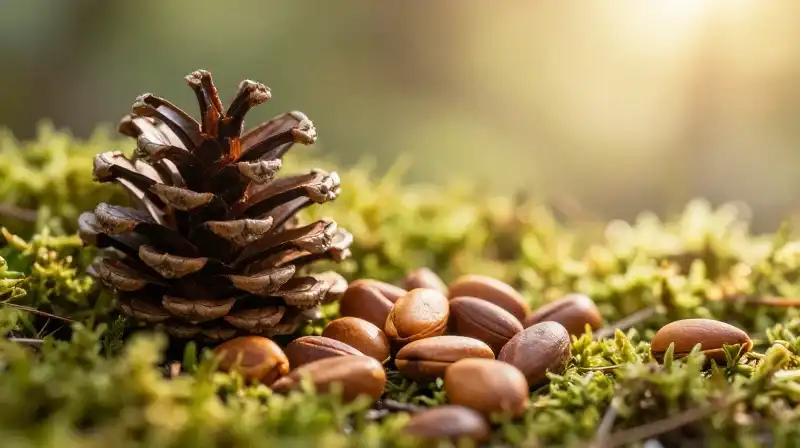
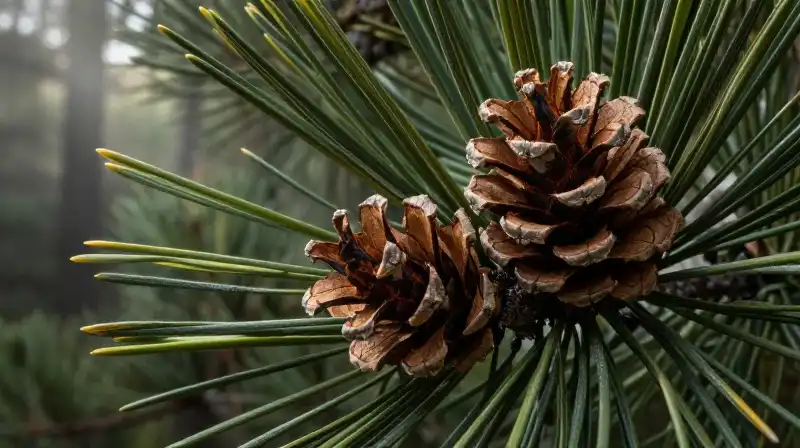
The brown cones of the Korean pine contain large, highly sought-after edible seeds, commonly known as pine nuts. These nuts are globally recognized for their rich flavor and nutritional density, making them a staple in international markets. The seeds are particularly valuable not just as a culinary ingredient, but also for specialized extracts.
Nut oil extracted from these seeds contains the fatty acid pinolenic acid, which is actively studied for its powerful anti-inflammatory and anti-oxidation properties. Furthermore, the pine pollen, while not the nut, is also utilized in traditional Chinese medicine and incorporated as a culinary addition.
Industrial and Construction Applications
The timber harvested from *Pinus koraiensis* is prized for its specific characteristics, making it suitable for various commercial needs. The wood is generally light, possesses straight grains, and is highly workable. These traits make it an excellent material for:
- Construction: Used for framing and general structural purposes.
- Fine Goods: Highly suitable for furniture and equipment manufacturing due to its workability.
- Secondary Uses: Components of the tree, such as resin, tannin, and pine needle oil, are utilized extensively in the chemical and industrial sectors.
Cultivation Requirements and Adaptation
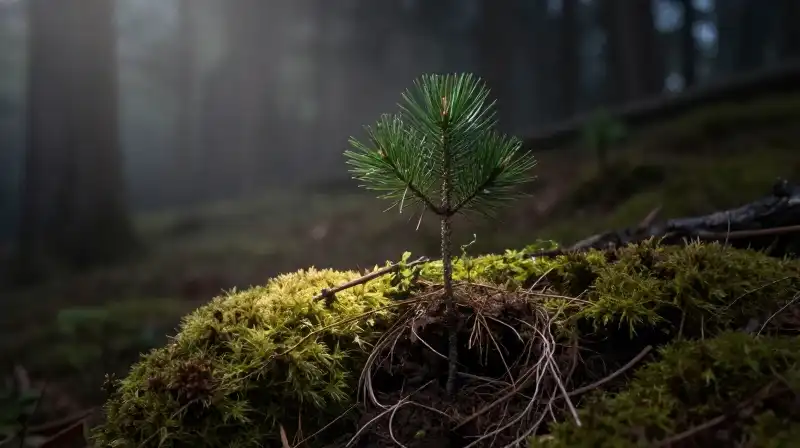
The Korean pine is an exceptionally adaptable tree, allowing it to be successfully cultivated in diverse settings. However, optimal performance is tied to specific environmental requirements.
Growth Conditions:
- Light: Requires full sun to develop optimally.
- Soil: It thrives in moist, well-drained loams. Crucially, it is highly tolerant of poorer soil types, including sandy and clay substrates.
- Climate: It favors cool summer climates and is exceptionally hardy, tolerating extreme cold and classifying it as hardy to USDA Zone 3.
Avoid Common Errors: While highly tolerant, the biggest challenge in planting is drainage. Planting should always avoid areas characterized by poor, saturated drainage or excessively wet soils, as this can compromise root health despite the species’ general robustness.
Ecological Role and Environmental Impact
The ecological significance of *Pinus koraiensis* extends far beyond its commercial value. As a native species, it performs several critical functions in its native temperate rainforest habitats.
Its large and extensive root system plays a crucial role in maintaining both water conservation and soil stability within the forest ecosystem. Ecologically, it is often recognized as a “building species” — a foundational plant used to construct and maintain ancient Tertiary plant communities. Furthermore, its ability to survive in harsh conditions allows it to maintain and contribute to local biodiversity, making it an excellent choice for urban environmental landscaping.
Addressing Key Questions About Pinus koraiensis
Many common questions arise when people research the Korean pine. Here are direct answers to the most frequently asked queries:
| Question | Answer |
|---|---|
| What is the common name for Pinus koraiensis? | The most common names are Korean Pine or Korean Stone Pine. |
| Is Pinus koraiensis edible? | Yes, the brown cones produce large, highly nutritious and commercially significant edible seeds (pine nuts). |
| How big do Korean pine get? | In ideal conditions, the tree can reach 50 meters (over 160 feet). Standard cultivated sizes typically range from 30 to 50 feet. |
Strategic Planting and Maintenance Considerations
If you are considering incorporating *Pinus koraiensis* into your landscape, these practical steps will ensure its long-term health and ornamental success. Since it is valued as an ornamental species for its cold hardiness and diverse soil tolerance, proper initial care is essential.
When selecting a variety, consideration should be given to specific cultivars such as ‘Silveray’ or ‘Morris Blue,’ as these might offer more specialized forms or colors compared to the general wild species. For maintenance, ensure the soil is consistently moist during the establishment phase, even if the tree is highly adaptable once mature. Regular pruning may be necessary in younger trees to guide its growth into a desired shape, though its natural tendency is to mature into a rounded crown.
Synthesis: Making the Decision

The Korean pine offers unparalleled versatility among conifer options, blending aesthetic appeal with industrial and nutritional value. Its ability to handle diverse soil types and extreme temperatures makes it a low-maintenance choice for resilient landscaping. However, the decision to cultivate or utilize this tree must be weighted against its specific ecological needs.
Before planting, confirm that your area’s drainage, while forgiving, is not excessively waterlogged. For those interested in the pine nuts, remember they come from the mature brown cones. By respecting its cold hardiness and understanding its foundational role in both the forest and your garden, *Pinus koraiensis* proves itself to be a durable and incredibly rewarding species.
Frequently Asked Questions
Is Pinus koraiensis edible?
Yes, Pinus koraiensis is edible because its brown cones produce large, highly sought-after seeds, commonly known as pine nuts. These nuts are globally recognized for their nutritional density and rich flavor.
What is the common name for Pinus koraiensis?
The most common names for Pinus koraiensis are Korean Pine or Korean Stone Pine.
How big do Korean stone pine get?
In standard cultivated sizes, Korean pine typically ranges from 30 to 50 feet, while in ideal conditions, the tree can reach over 50 meters (more than 160 feet).
How to Plant and Maintain Korean Pine (Pinus koraiensis)
Select a Variety
When choosing a specimen, consider specific cultivars such as 'Silveray' or 'Morris Blue' to achieve specialized forms or desired colors.
Assess and Prepare the Site
Before planting, confirm that the area has excellent drainage; while the species is adaptable, avoiding waterlogged or excessively wet soil is critical for root health.
Establish the Tree
Plant the tree and ensure the soil is kept consistently moist during the establishment phase, even though the species is generally hardy.
Ongoing Pruning
In younger trees, regular pruning may be necessary if you wish to guide its growth into a specific desired shape, though its natural trend is a rounded crown.
Related Articles