Pinyon Pine Nuts: How to Grow and Use the Edible Seeds

Introduction
Pinyon Pine nuts are not true nuts; botanically, they are the edible seeds of various species within the Pinaceae family, specifically the Pinyon pines. While they have been consumed for centuries, from the Paleolithic period to modern kitchens, harvesting and growing these seeds presents a unique set of agricultural and horticultural challenges. Understanding the Pinyon Pine requires recognizing that it is a slow-growing, resilient tree that yields a premium product through a highly manual and specialized process. This guide addresses how to cultivate the Pinyon Pine, how the harvest occurs, and how these nutrient-rich seeds are best utilized.
Defining the Pinyon Pine Species

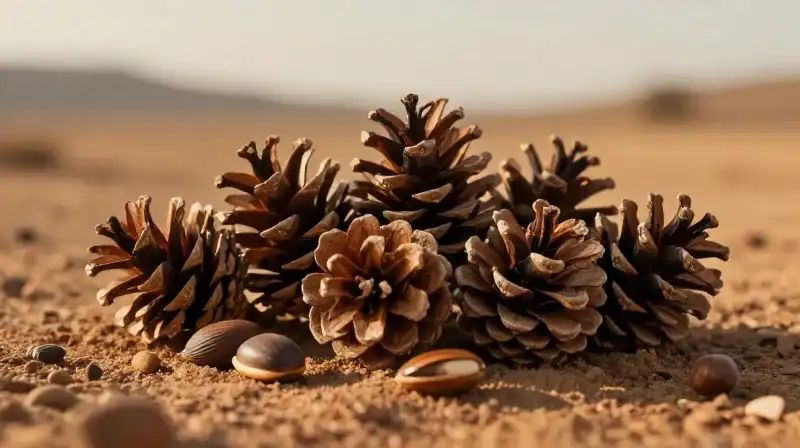
The term “Pinyon” (and its Spanish equivalent, “Piñon”) refers to the edible seed of specific pine species, most notably the Colorado Pinyon Pine (*Pinus edulis*). Originating in the desert mountains of the American Southwest, this species is characterized by its slow, bushy growth habit and exceptional hardiness. It is classified as a gymnosperm, meaning its seeds are not enclosed within an ovary or fruit structure, distinguishing them botanically from true nuts. Though globally sourced from various species like the Stone Pine (*Pinus pinea*), *Pinus edulis* is the primary subject for cultivation and consumption in North America.
A critical factor in production is the concept of “masting.” Pinyon pines are extremely slow-growing, often taking several decades to mature, and their production is not constant. Masting refers to periods when the tree produces a heavy yield of cones, followed by long periods of sparse or no production, making sustained, consistent yield difficult.
Cultivating the Pinyon Pine Tree
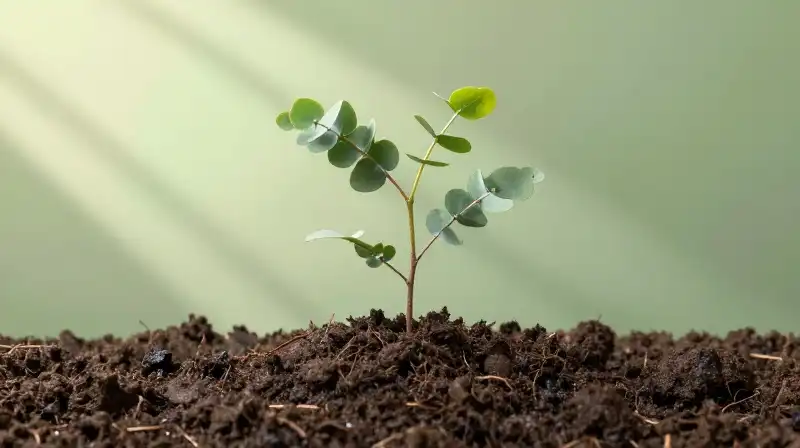
Growing a Pinyon Pine is a rewarding but demanding horticultural endeavor due to its innate resilience and slow maturity. Success depends on mimicking its arid, high-elevation native environment. Because of its challenging nature, specialized knowledge of pine tree cultivation is required.
Key considerations for cultivation:
- Environment: Pinyon Pine thrives in arid climates and thrives with good sun exposure. While drought-resistant, they require proper soil drainage, especially during germination.
- Space: Despite their hardiness, they need adequate room to develop. While they typically maintain a compact size, generally reaching 10 to 20 feet, proper spacing is needed for mature growth.
- Pollination: For successful pine nut production, the trees must be cross-pollinated. It is highly recommended to plant multiple specimens in proximity to ensure genetic variety and a viable harvest.
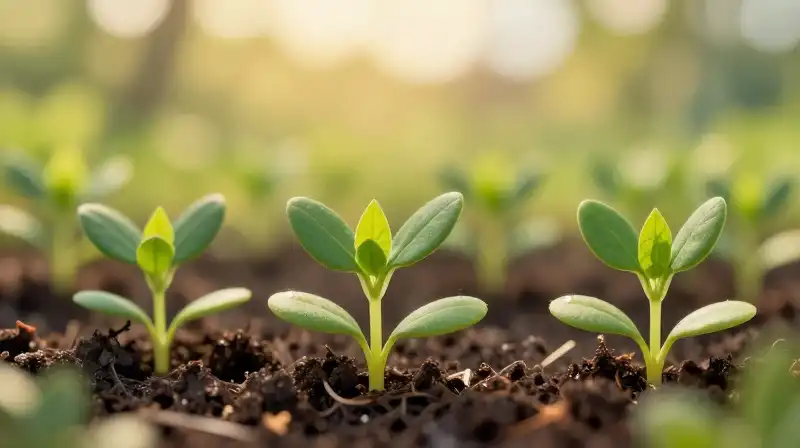
Starting from Seed: Cultivation kits are available for beginners, but the process from seed is complex. Successful germination typically requires cold stratification—a period of cold exposure—followed by careful transplanting. Care and support are necessary to assist seedlings through this sensitive early phase.
Harvesting and Processing the Pinyon Nuts
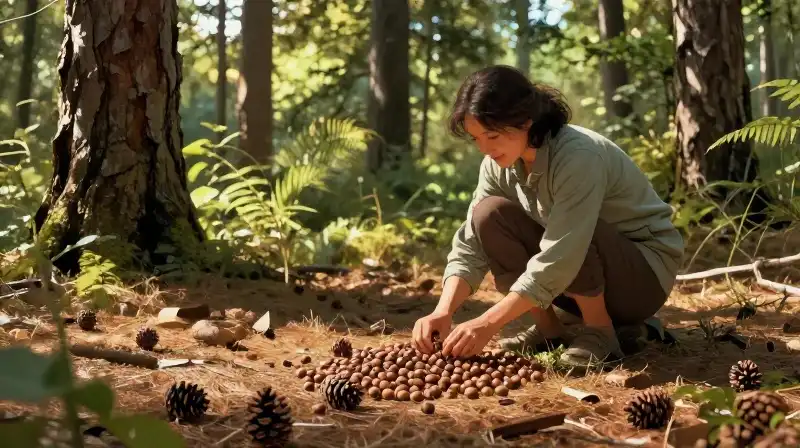
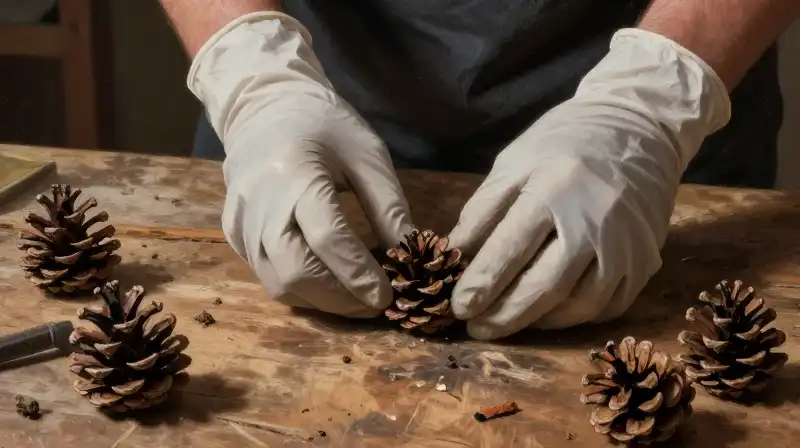
The transition from a mature tree to harvestable seeds is a highly manual process. The cones of the Pinyon Pine are designed to protect the seeds until optimal conditions are met.
The harvesting process involves:
- Cone Maturity: Allowing the cone to fully mature and naturally drop or being manually collected from the branches.
- Drying: The cones are often dried, sometimes through controlled heat exposure, before extraction is feasible.
- Shell Extraction: The seeds are enclosed in a hard shell, often coated with resin. Removing the kernel requires significant skill and manual labor. Due to the delicate nature of the soft kernel inside the shell, precision is vital to avoid damaging the valuable edible portion.
Culinary Uses and Nutritional Benefits
Pine nuts are a nutrient-dense ingredient with a long history in global cuisine. They are prized for their distinctive flavor and versatile texture, making them a staple in diverse diets.
Nutritional Profile: Dried pine nuts are exceptionally high in:
- Heart-healthy unsaturated fats.
- High levels of protein.
- Essential micronutrients, including manganese, phosphorus, and vitamin E.
Common Culinary Applications:
- Italian Pesto: A fundamental component of classic pesto.
- Baking and Sweets: Used in various Catalan sweets and baked goods.
- Salads and Garnish: Incorporated into fresh salads and used as a textural garnish for meats and breads.
- Middle Eastern Cuisine: Incorporated into various Levantine recipes.
Practical Handling and Potential Hazards
Because of the demanding harvesting process, pine nuts command a premium market price. However, handling the final product requires careful management of quality and potential risks.
Shelf Life and Storage: Shelled pine nuts have a relatively short shelf life. For long-distance import and to maintain peak quality, they must be stored under frozen conditions. Improper storage will lead to rapid deterioration.
Consumption Warnings:
- Pine Mouth Syndrome: Raw consumption of Pinyon pine nuts may induce a condition known as “pine mouth syndrome.” This is characterized by a temporary, unpleasant bitter or metallic taste.
- Overharvesting: From an ecological standpoint, it is critical to monitor land use and prevent overharvesting, as it poses a significant threat to the regional ecosystems that support Pinyon pines.
Conclusion: Balancing Dedication and Reward
Securing a consistent supply of Pinyon Pine nuts is a testament to the patient demands of specialized agriculture. Growing the Pinyon Pine requires understanding its desert roots, patience during its slow growth phase, and technical skill in cultivation. Whether you are growing the tree or purchasing the nuts, remember that the quality and flavor you enjoy are directly proportional to the careful handling—from careful cross-pollination in the field to precise shell removal at the processing stage. By respecting the tree and understanding the limits of its yield, consumers can ensure they are supporting a valuable, ancient food source while protecting its delicate ecosystem.
How to Harvest and Process Pinyon Nuts
Allow Cones to Mature
Allow the Pinyon pine cones to fully mature, either by waiting for them to naturally drop from the branches or by manually collecting them.
Dry the Cones
Dry the collected cones, sometimes utilizing controlled heat exposure, to prepare them for the extraction process.
Extract the Kernel
Remove the seed kernel from the hard shell and resin coating, which requires significant skill, manual labor, and precision to protect the delicate edible portion.
Related Articles