Zinnia Profusion: Growing Continuous, Resilient Blooms


Introduction
When selecting annual plants for continuous color throughout the summer and into the fall, Zinnia Profusion offers a unique blend of prolific blooming and impressive resilience. This series is an interspecific cross, pairing the characteristics of Zinnia elegans with Zinnia angustifolia to create a robust, low-maintenance flowering plant.
The core appeal of Profusion zinnias is their ability to deliver a steady “profusion” of blooms while requiring less intervention from the gardener. If you are seeking vibrant, heat- and drought-tolerant flowers that naturally deter common garden pests, these varieties are a reliable choice for nearly any climate. This guide explores everything you need to know about growing these highly productive plants.
The Profusion Advantage: Difference and Resilience
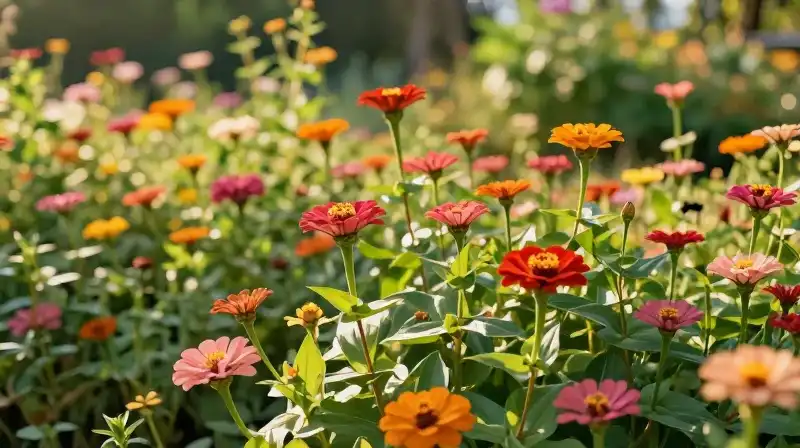
The distinction between a standard zinnia and a Profusion zinnia lies in the specific breeding for hardiness and output. While all zinnias provide brilliant color, the Profusion line is specifically engineered to excel in demanding conditions and longevity.
The key benefits derived from this specific interspecific cross include:
- Continuous Blooming: Unlike many standard annual mixes that fade after the first flush, Profusion zinnias are designed to produce a sustained, heavy crop of flowers through the entire growing season.
- Natural Pest and Disease Resistance: The foliage is naturally durable and possesses reduced palatability for deer and rabbits. Furthermore, these varieties exhibit resistance to common threats like powdery mildew.
- Environmental Tolerance: Profusion zinnias are highly resistant to high heat and lack the intensive watering needs of many other flowering annuals, making them ideal for hot climates.
- Attracting Pollinators: Their steady bloom cycle makes them a consistent resource for local pollinators, including bees, butterflies, and hummingbirds.
Optimal Growing Conditions for Profusion Zinnias
Success with Profusion zinnias relies on providing the right starting conditions and environment. These plants are thriving at their best when they receive maximum light and are planted into well-prepared soil.
Light and Placement: These zinnias require full sun to reach their full potential, meaning they need at least six to eight hours of direct sunlight daily. They adapt well to various planting locations, including standard garden beds, raised beds, and large containers.
Soil and Temperature: The soil must be well-draining to prevent root rot. While they are resilient, optimal plant development occurs when the soil temperature reaches approximately 70°F (21°C). If planting during a cooler season, ensure the soil warms up sufficiently before transplanting.
Growth Habit: Profusion varieties generally maintain a compact stature, reaching a typical height of 16–18 inches and a width of 20–24 inches, which makes them versatile for borders and pots alike.
A Guide to Planting and Sowing Timing
The timeline for growing Profusion zinnias depends entirely on whether you are starting seeds indoors or buying mature starts. Accurate timing is crucial for ensuring a strong, successful start.
Indoor Seed Starting
To encourage a vigorous initial growth, indoor sowing must begin approximately four to six weeks before your final average frost-free date. This allows enough time for the seedlings to establish a strong root system and foliage before the heat of summer requires full outdoor care.
Outdoor Planting
When planting outdoors, ensure the location is protected from excessive wind if possible. Due to their compact nature, they are highly adaptable and thrive in both warm and cool growing regions, provided the summer heat is managed with sufficient, though infrequent, watering.
Sustaining Continuous Blooms: Maintenance and Care
While Profusion zinnias are praised for their low-maintenance nature, a few targeted steps can ensure the bloom cycle remains robust and vibrant throughout the season.
Fertilization: A light, periodic feeding can help maintain peak bloom production. Occasional fertilization with a liquid seaweed fertilizer—applied every two to three weeks during the active growing season—is sufficient to support steady growth without forcing overly bushy foliage.
Water Management: Although highly drought-tolerant, consistent watering during extremely hot, dry spells prevents stress. Focus on deep watering rather than frequent light sprinkles, which promotes stronger root development.
Deadheading vs. Maintenance: While deadheading—the practice of pinching off spent blooms—is not strictly essential for Profusion zinnias, it is a highly effective method for maintaining a fresh, tidy appearance and potentially encouraging the plant to put energy back into producing new flowers.
Practical Considerations and Common Garden Pitfalls
To maximize the success of your Profusion zinnias, it is important to understand potential pitfalls and specific scenarios where caution is warranted.
| Scenario/Concern | Impact & Action |
|---|---|
| Poor Drainage | Even resistant varieties suffer from root rot if soil becomes waterlogged. Always amend heavy clay with organic matter. |
| Inconsistent Sun | If the plants do not receive full sun, the foliage may become sparse, and the bloom density will significantly decrease. |
| Container Overcrowding | While they are compact, planting them too tightly in pots will restrict airflow and lead to increased susceptibility to fungal issues like mildew. Provide ample space. |
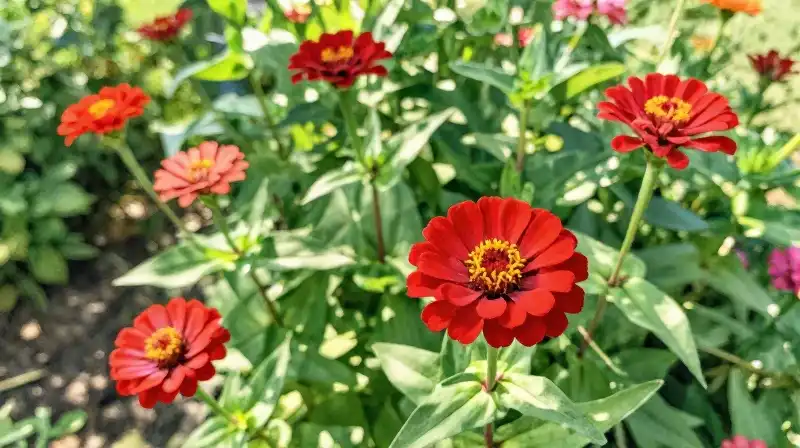
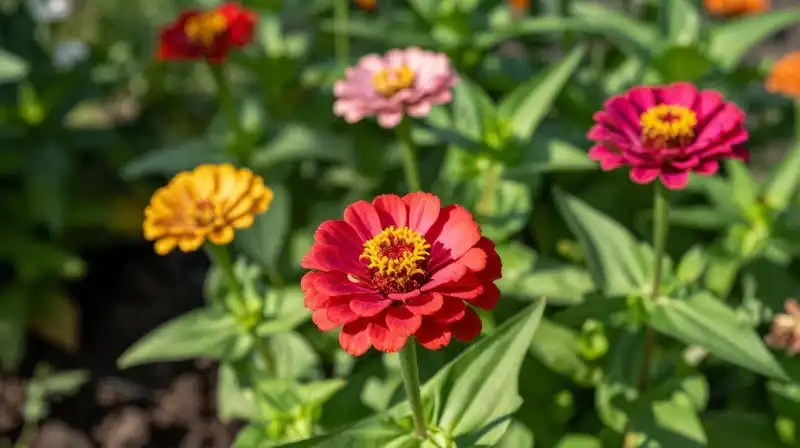
When purchasing, consider color variations. Different varieties, such as Profusion Zinnia Cherry, offer unique shades. Match the chosen color and size criteria to your intended garden aesthetic.
Ultimately, Profusion zinnias represent a reliable choice for gardeners who want substantial, dependable color without the constant struggle of pest or disease management. By providing them with full sun, well-draining soil, and periodic light feeding, you ensure a long, vibrant display of resilient blooms from summer through autumn.
Explore more: Dia de los Muertos Skull Designs: Symbols and Artistic Inspi
Frequently Asked Questions
What is the difference between zinnia and profusion zinnia?
The distinction between a standard zinnia and a Profusion zinnia lies in the specific breeding for hardiness and output. Profusion zinnias are specifically engineered to provide a sustained, heavy crop of blooms, high environmental tolerance, and resistance to pests compared to standard mixes.
How to Grow Profusion Zinnias
Prepare for Planting
Determine if you are starting seeds indoors (4 to 6 weeks before your final average frost-free date) or purchasing mature starts for outdoor planting.
Select Optimal Location and Soil
Plant the zinnias in a location that receives full sun, requiring at least six to eight hours of direct sunlight daily. Ensure the soil is well-draining, amending heavy clay with organic matter to prevent root rot.
Ensure Proper Growth Start
Allow the soil temperature to reach approximately 70°F (21°C) before transplanting, especially if planting in cooler conditions.
Manage Fertilization
Apply light, periodic feeding using a liquid seaweed fertilizer every two to three weeks during the active growing season to maintain peak bloom production.
Control Watering
Provide consistent deep watering, focusing on deep saturations rather than frequent light sprinkles, particularly during extremely hot and dry spells.
Maintain Blooms
Deadhead spent blooms by pinching them off. While not strictly essential, this practice keeps the plant tidy and can encourage the plant to produce more new flowers.
Related Articles