Devadaru Plant: Features, Uses, and Cultural Significance

Introduction
The Devadaru plant, scientifically known as Cedrus deodara, is a magnificent Himalayan cedar that holds immense cultural, structural, and therapeutic value. Far more than a typical forest tree, it is recognized as the national tree of Pakistan and a revered species in India. This evergreen conifer is defined by its imposing stature—capable of reaching heights up to 60 meters—and a unique combination of durable wood and potent aromatic compounds. Understanding Devadaru involves looking at it not just as timber, but as a complex resource utilized across construction, traditional medicine, and essential oil chemistry.
This article explores the specific features of the Devadaru plant, comparing its uses as a natural building material to its role in aromatherapy. We examine the botanical origins, the chemistry that drives its utility, and practical considerations for its cultivation and use.
Botanical Characteristics and Composition
Devadaru is native to the Himalayan region and belongs to the cedar family. Its robust growth is defined by a conic crown and slender, needle-like foliage. Unlike many conifers, the Devadaru produces highly specialized reproductive structures: barrel-shaped male and female cones. The composition of the plant is what makes it scientifically unique, particularly the compounds present in its wood and bark.
The wood and bark contain natural phytochemical compounds such as taxifolin, cedeodarin, and deodarin. These natural substances are directly responsible for the wood’s exceptional resistance to rot and decay, making it a superior choice for permanent structures. Additionally, when the tree is distilled, its essential oil reveals a complex blend, prominently featuring α-terpineol, linalool, and limonene, compounds crucial for its various aromatic and therapeutic applications.
Dual Utility: Timber vs. Aromatherapy
The immense value of Devadaru stems from the fact that different parts of the plant serve distinct, high-value functions, whether they are structural or sensory.
Structural Integrity: The Deodar Wood
The wood of the Devadaru plant is renowned for its fine grain, strength, and ability to take a high polish. Its durability has led to its historical use in both religious and traditional architectural elements, where longevity and permanence were paramount. Key benefits of using Devadaru as construction material include:
- Rot and Pest Resistance: The presence of natural compounds (like taxifolin) significantly enhances the wood’s ability to withstand environmental stressors and decay.
- Aesthetic Quality: The fine grain allows for detailed craftsmanship and a beautiful, polished finish.
- Scale of Use: It is suitable for large-scale building and substantial architectural features.
Aromatic Applications: The Essential Oil
The inner wood and bark of the Devadaru tree are harvested and distilled to create a highly prized essential oil. This oil is traditionally used for its potent sensory and protective qualities. The properties of the oil include:
- Pest Repellency: Its strong scent and chemical composition make it effective in repelling insects.
- Preservation: Historically, the oil was used in preserving food and grain due to its antifungal properties.
- Therapeutic Uses: Modern aromatherapy and Ayurvedic medicine utilize the characteristic woody odor and chemical components for their potential health benefits.
Practical Considerations: Landscaping, Care, and Side Effects
When evaluating the Devadaru plant, prospective users must consider both its scale and its specific applications.
Is Devadaru a Good Landscaping Tree?
Devadaru is a dramatic, massive tree that can reach heights of up to 60 meters. Because of this immense scale and its conic crown, it is best suited for large estates or expansive parks where its grandeur can be appreciated. Its high durability makes it a lasting landscape investment, offering significant shade and visual impact. For smaller gardens, its size can quickly become prohibitive.
Addressing Concerns: Side Effects and Plant Care
The use of Devadaru involves both the plant itself and its derived products. It is important to maintain a clear distinction between traditional use and modern clinical application.
Regarding Side Effects: Devadaru is primarily valued for its aromatic, therapeutic, and structural uses. Its use in modern aromatherapy and traditional medicine is based on its natural compounds. If considering therapeutic or medical use, it is critical to understand that these applications are traditional; its use should never substitute for professional medical advice. Any sensitivity to highly concentrated essential oils should be avoided.
Devadaru Plant for Sale: When acquiring a Devadaru plant, prioritize sourcing from reputable nurseries. Given its massive growth potential, purchasing younger saplings requires a long-term commitment, and quality evaluation signals include strong trunk base and healthy needle density.
Global and Cultural Significance
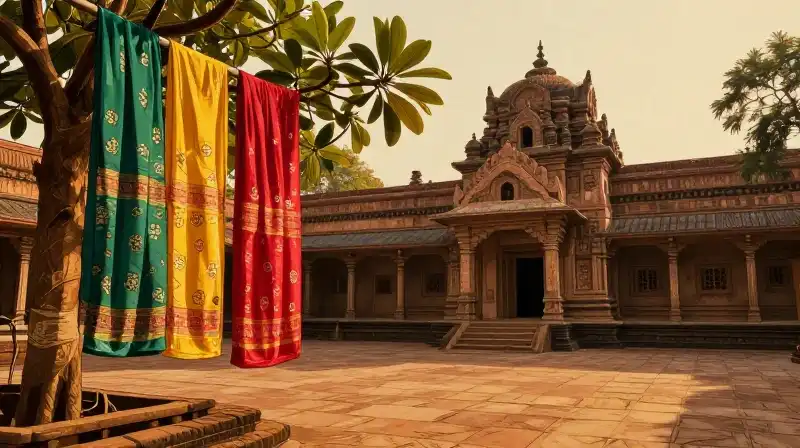
The Devadaru plant transcends its biological utility; it holds deep cultural significance across South Asia. In addition to being the national tree of Pakistan, its presence in Indian traditions and local folklore underscores its status as a revered species. Historically, its fine grain and fragrance have led to its use in crafting ornate religious structures, linking the natural beauty of the Himalayan forest directly to the cultural fabric of the region.
Modern commercial applications extend into industries like household sprays and specialized scientific clearing oils, utilizing the plant’s unique chemical profile to provide practical, non-synthetic solutions.
Summary of Devadaru’s Value
The Devadaru plant, Cedrus deodara, is a singularly valuable resource defined by its versatility. Whether you are selecting durable timber for architecture or utilizing its essential oil for aromatic preservation, the plant offers superior, natural solutions. Its value lies in the combination of its impressive physical presence—the height and durability of its wood—and the powerful chemical output of its oil. When considering its use, be mindful of its large-scale requirements and distinguish between traditional benefits and required professional medical care. Devadaru is a testament to how a single species can meet diverse needs in construction, culture, and natural wellness.
Frequently Asked Questions
What are the side effects of Devdaru?
If considering therapeutic or medical use, the article advises that Devadaru should never substitute for professional medical advice. Users should also avoid any sensitivity to highly concentrated essential oils.
What is special about the Devadaru plant?
The Devadaru plant is special due to its unique combination of durable wood and potent aromatic compounds, which make it a versatile resource. Its value lies in its ability to provide structural integrity for architecture and offer therapeutic and sensory uses through its chemical-rich essential oil.
Is Devadaru a good landscaping tree?
Devadaru is best suited for large estates or expansive parks because of its immense scale, which can reach heights of up to 60 meters. While its high durability offers significant shade and visual impact, its size can quickly become prohibitive for smaller gardens.
Related Articles