Florida Trees: Exploring the Iconic, Endemic, and Native Species

Introduction
The state of Florida is a botanical hotspot, home to a unique array of flora that ranges from ancient, majestic hardwoods to highly specialized, critically endangered species. Understanding Florida trees goes beyond simple identification; it requires recognizing their ecological function, their role in the state’s cultural landscape, and their vulnerability to conservation needs. Whether you are identifying native trees for land stewardship, choosing landscaping specimens, or simply exploring the state’s unique biodiversity, the sheer diversity of Florida’s tree species dictates how one must approach their care and appreciation. This guide explores the defining characteristics of the most important Florida trees—the iconic, the native, and the ecologically vital.
Florida’s Coastal and Understory Guardians
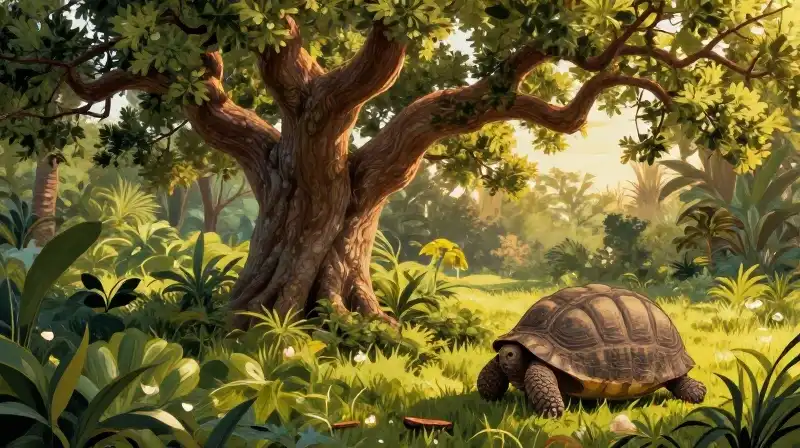
Many of Florida’s native trees serve a critical stabilizing role in maintaining the state’s fragile ecosystem. These plants act as anchors for the shoreline and crucial habitat for local wildlife. Two examples, the Gumbo Limbo and the Sea Grape, exemplify this essential ecological service.
The Gumbo Limbo (Bursera simaruba) is a native South Florida standout. It is renowned for its distinctive twisting, sculptural branches and its impressive ability to tolerate windy coastal environments. These characteristics make it a resilient addition to many Florida landscapes, contributing a dramatic form while maintaining native ecological functions. Furthermore, the Sea Grape (Coccoloba uvifera) is a vital coastal species. Classified as a protected plant under Florida law, it functions as a natural barrier, helping to stabilize coastlines and mitigate erosion, particularly in vulnerable beach areas.
Defining the Iconic Canopy: Live Oaks and Sabal Palms
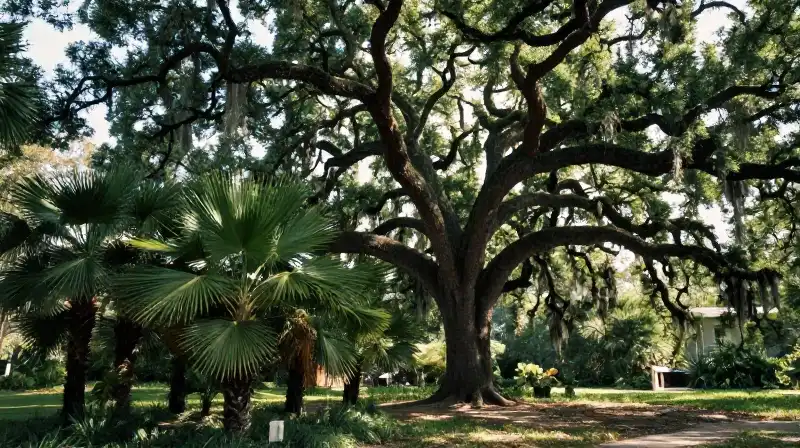
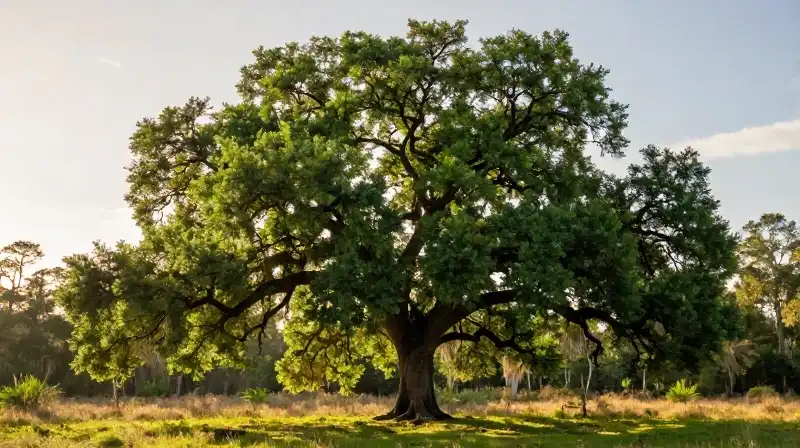
Among Florida’s most recognizable trees are those that define the state’s aesthetic and historical identity. The Live Oak (Quercus virginiana) and the Sabal Palm (Sabal palmetto) are paramount examples of this grandeur.
The Live Oak is a ubiquitous and majestic tree, characterized by its immense lifespan and broad, sweeping canopy. It is highly adaptable, thriving in numerous landscapes, making it a favorite for formal gardens and expansive estates. Its enduring presence is central to the state’s identity. While the Sabal Palm is scientifically classified as a grass relative, it holds the honor of being recognized as the Florida state tree. It provides a recognizable silhouette to many regional landscapes, symbolizing the state’s natural heritage.
High-Value Endemic and Endangered Flora
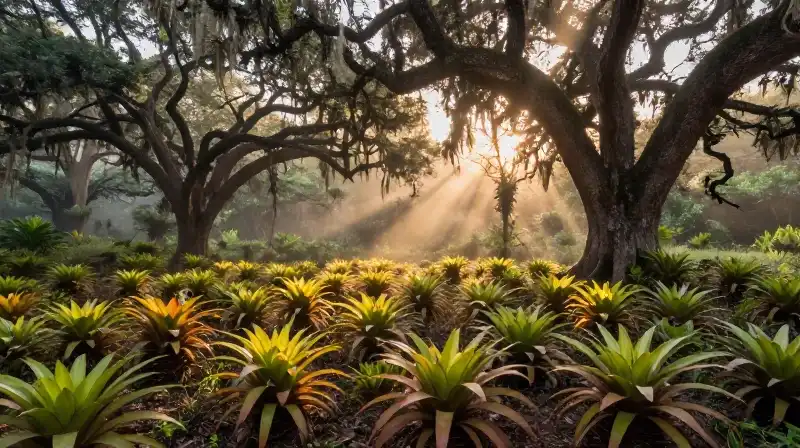
While many Florida trees are robust, a small number are critically dependent on specific habitats and face severe threats. Understanding these endemic species is crucial for effective conservation.
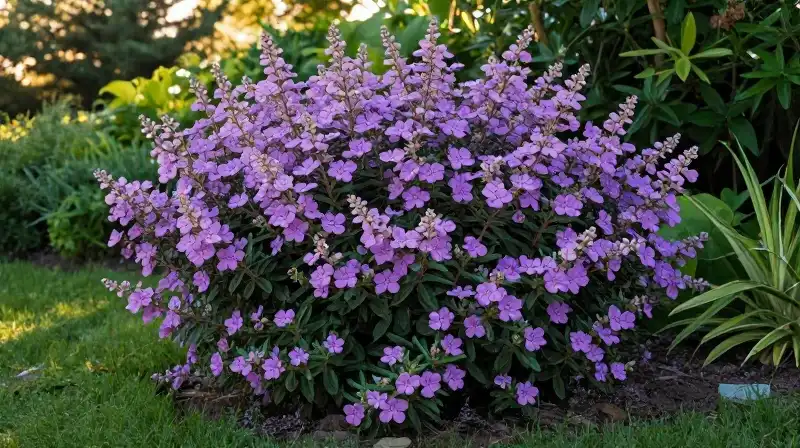
The Florida Torreya, often referred to as Florida nutmeg, is an extremely rare and highly endangered species. It is notable for its unique, highly aromatic scent and its limited distribution, which mandates ongoing, dedicated restoration efforts to prevent its loss. Similarly, the Pygmy Fringe-tree (Chionanthus pygmaeus) is a federally listed endangered plant endemic to the scrub habitats of Florida. This delicate tree is prized for its ephemeral, beautiful spring blooms, highlighting the intricate and fragile nature of some Florida ecosystems.
The Utility and Resilience of Slash Pine
Slash Pine (*Pinus elliottii var. elliottii*) represents a vast and ecologically important component of the Florida forest, particularly in drier, sandy areas. Unlike many native understory trees, the Slash Pine is defined by its immense scale and hardiness.
This fast-growing native evergreen conifer is notable for its ability to achieve impressive dimensions, frequently reaching heights of 75 to 100 feet with trunks that can reach 3 to 4 feet in diameter. Its bark is highly adapted, featuring a gray, scaly texture with deeply fissured, orange-brown plates. This bark provides a critical natural defense against the periodic wildfires common in Florida habitats. The tree shows significant resilience, successfully tolerating moderate seasonal flooding once established, and can persist for approximately 200 years.
Historically, Slash Pine was economically significant due to the pine resin produced for turpentine and naval waterproofing. Ecologically, it is a powerhouse, providing vital nesting sites for local fauna, including bald eagles, and serving as a critical food source—through cones and seeds—for wildlife such as white-tailed deer and squirrels.
Selecting the Right Florida Tree: Factors to Consider
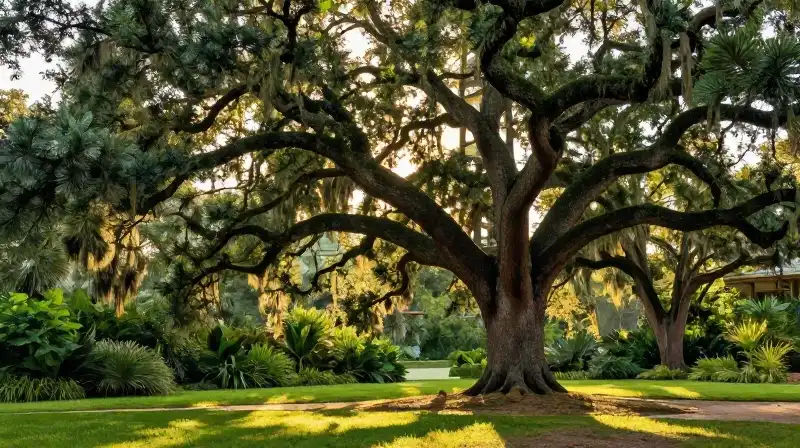
Choosing a tree for a Florida landscape requires careful consideration of the specific environment and intended use. Selecting the wrong species can lead to poor growth, health issues, or ecological failure. Evaluate your site using these criteria:
Climate and Exposure:
-
Coastal Zones: Prioritize salt-tolerant and wind-resistant species like Sea Grape or Gumbo Limbo.
-
Inland/Southern Florida: Live Oak and Sabal Palm thrive in warmer, stable climates.
-
Drier/Pine Forests: Slash Pine is suitable for open areas with well-drained sandy soils and abundant sunlight.
Ecological Goal:
-
Coastal Protection: Select Sea Grape or mangroves (if applicable).
-
Habitat/Wildlife:** Focus on Live Oak or Slash Pine, which support extensive wildlife populations.
-
Aesthetics/Formal Gardens: The structured form and longevity of the Live Oak are often ideal.
Vulnerability and Context:
If your goal is conservation or habitat restoration, focus efforts on propagating endemic species like the Pygmy Fringe-tree, provided the specific scrub conditions can be maintained.
A Note on Restoration and Future Planning
The health of Florida’s native tree population relies heavily on active conservation. While the iconic trees provide the grandeur of the state, the critically endangered species require specialized management—from dedicated propagation to protected habitats. For restoration projects, it is vital to distinguish between the natural successional cycles (which often favor Slash Pine) and the need to deliberately reintroduce or protect highly vulnerable, unique species like the Torreya. By understanding the specific requirements and ecological roles of each species, landowners and conservationists can ensure that Florida’s unique arboreal heritage is preserved for future generations.
How to Select the Right Florida Tree
Evaluate Climate and Exposure
Assess the specific environment of your site. For coastal zones, prioritize salt-tolerant species like Sea Grape or Gumbo Limbo. For inland or southern Florida, Live Oak and Sabal Palm are suitable. For drier, open areas, Slash Pine is recommended if well-drained sandy soils and abundant sunlight are available.
Define the Ecological Goal
Identify the primary function of the tree. For coastal protection, select Sea Grape or mangroves. To focus on habitat and wildlife support, utilize Live Oak or Slash Pine. If the primary goal is aesthetics or formal gardens, the structured form of the Live Oak is often ideal.
Consider Conservation and Vulnerability
Determine if the project is focused on conservation or restoration. If the goal is to protect endemic species, focus on propagating flora like the Pygmy Fringe-tree, provided the specific scrub conditions necessary for its survival can be maintained.
Related Articles