Peace Lily Drooping Causes: Diagnosis and Solutions for Beginners

Introduction
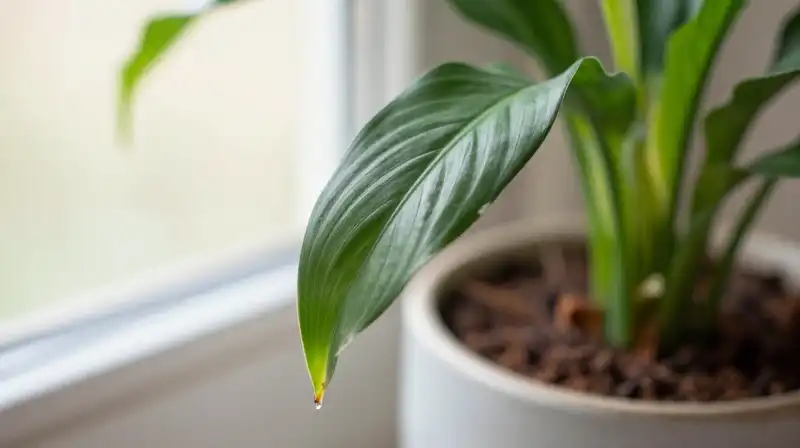
Peace lilies are known for their dramatic, expressive foliage; however, when they begin to droop, it can be distressing for owners who are unsure if the problem is a simple thirst issue or something more serious. The “why is my peace lily drooping” question typically leads to a complex mix of overwatering, underwatering, environmental stress, or root issues. Before rushing to give the plant an immediate fix, a systematic diagnosis is essential to identify the precise cause of the leaf droop. Understanding whether the drooping is due to insufficient moisture, root suffocation, or environmental strain allows you to apply the correct treatment and help the plant recover effectively.
Differentiating Watering Problems
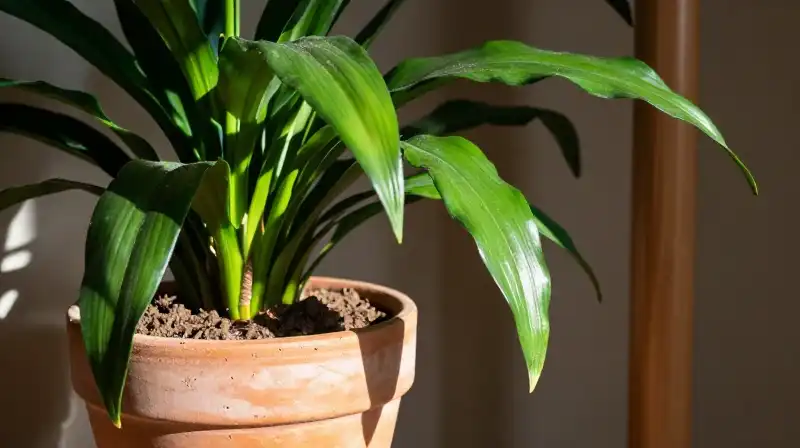 The most common reason for drooping is related to hydration, but the signs of thirst and overwatering can be misleading. You must determine if the issue is a lack of water or a lack of oxygen for the roots.
Signs of Overwatering and Root Suffocation
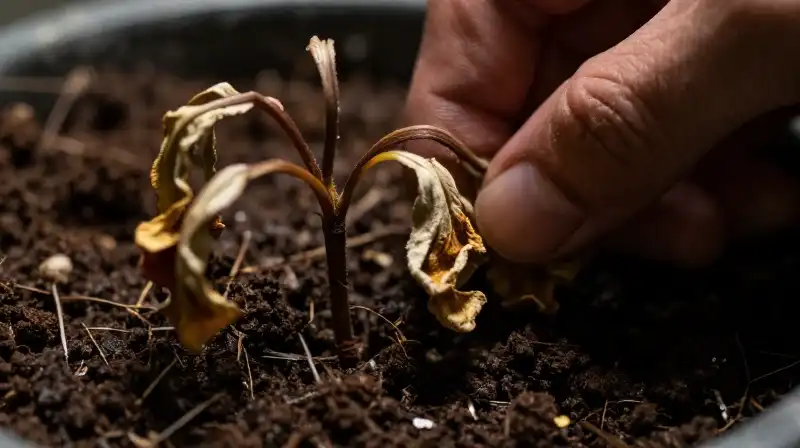
Overwatering is a leading cause of drooping peace lilies, and it often masks itself as under-watering. When the roots are constantly saturated, they begin to suffocate, preventing them from taking up necessary oxygen and nutrients. This impairs the plant’s function, leading to a limp appearance even if the soil feels moist.
- The soil stays soggy for long periods, even if you watered recently.
- The leaves might also develop yellowing or brown tips, indicating root distress.
- The soil may smell musty or moldy.
Action: Allow the top inch of soil to dry completely between waterings. Ensure the pot has a drainage hole to prevent water from pooling at the bottom.
Identifying Underwatering and Dehydration
In contrast, drooping due to lack of water is a direct physical response to dehydration.
- The soil feels completely dry and light.
- The entire plant or large sections of the leaves will feel noticeably limp, often curling inward rather than wilting softly.
- The leaves may feel brittle or crispy.
Action: Give the plant a thorough soak, letting the water run out of the drainage holes for several minutes.
Addressing Underlying Root Health Issues
If the soil moisture level seems correct, the problem may be deeper within the root structure, affecting the plant’s ability to absorb water and nutrients.
Root-Bound Plants and Nutrient Deficiency
A common oversight is allowing a peace lily to stay in the same pot for too long. When the roots become tightly bound within the confines of a container, they struggle to uptake water and nutrients, a condition called being “root-bound.” This prevents the plant from receiving the hydration it needs to stay turgid, resulting in a droopy state. Solution: If you suspect the plant is pot-bound, carefully repot it into a container that is only marginally larger than its current one, ideally during spring or early summer. This gives the roots the necessary space to expand without causing shock.
The Impact of High Water Volume
While a thorough soaking is necessary, excessively large amounts of water poured into a small pot can lead to temporary waterlogging and root stress. The key is consistent, measured hydration, not sudden, overwhelming floods.
Environmental Triggers for Drooping
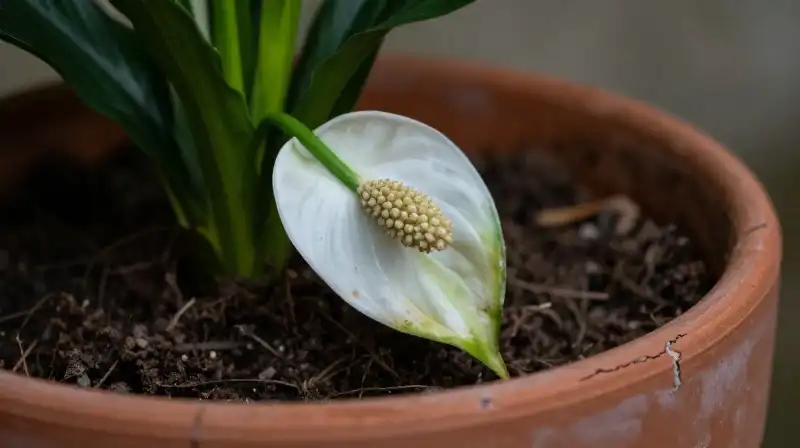 Peace lilies are tropical plants, and their needs regarding light and humidity are specific. Environmental changes can trigger drooping that is not related to the soil moisture level.
Light Requirements
Peace lilies thrive in bright, indirect light. Harsh, direct sunlight can scorch the leaves, stressing the plant and causing wilting or dropping. Conversely, placing them in a dark corner will lead to generalized decline and poor health, which manifests as drooping. Guideline: Ensure the plant is positioned where it receives plenty of light, but not intense, unfiltered rays that might burn the foliage.
Humidity Deficit
Peace lilies require high humidity to thrive. In dry indoor environments (especially those with heating or air conditioning), the lack of ambient moisture can cause leaves to become stressed and sag. This is often confused with a lack of water. Practical Remedies:
- Use a humidifier near the plant.
- Group the peace lily with other plants to create a microclimate.
- Place the pot on a pebble tray filled with water (the evaporation raises local humidity).
- Mist the foliage regularly.
Detect and Treat Pest Infestations
Stress from common pests often leads to leaf damage and general wilting, contributing to a droopy appearance. Regularly inspect the undersides of the leaves and the stems for signs of infestation.
Common Pests to Watch For
Pests such as spider mites (fine webbing), aphids (small clusters of insects), or mealybugs (white, cotton-like masses) feed on the plant’s energy, severely weakening it and causing leaves to droop and yellow. Treatment: If pests are detected, isolate the plant immediately. Treat the affected areas with insecticidal soap or neem oil to eliminate the infestation and prevent spread.
When Will a Droopy Peace Lily Recover?
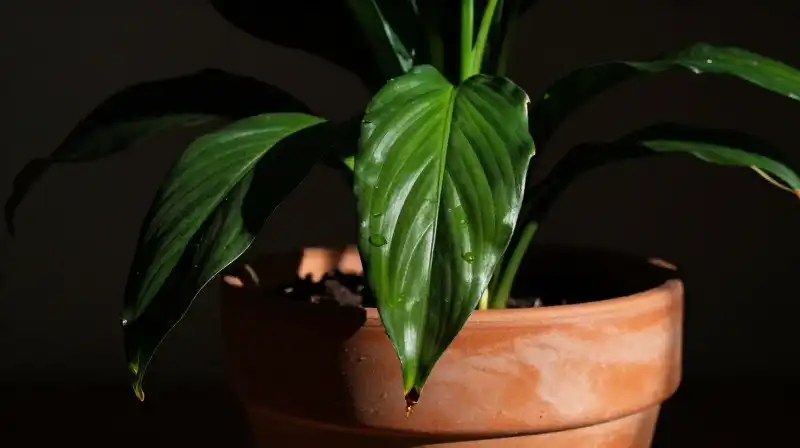 If you have successfully identified the underlying cause—whether it’s overwatering, thirst, or lack of humidity—the plant should begin recovering promptly.
Recovery from Underwatering: Once the plant is properly watered and the soil drains well, the leaves should begin to lift and firm up within a few hours.
Recovery from Overwatering/Root Stress: If the droop is caused by root suffocation, recovery takes longer. You must allow the roots to stabilize. After adjusting the watering schedule and ensuring drainage, the plant will gradually perk up as its roots recover and regain access to oxygen. If the drooping persists after these adjustments, the roots may be severely damaged and professional guidance on root cutting may be needed.
Preventing Future Droop: A Maintenance Checklist
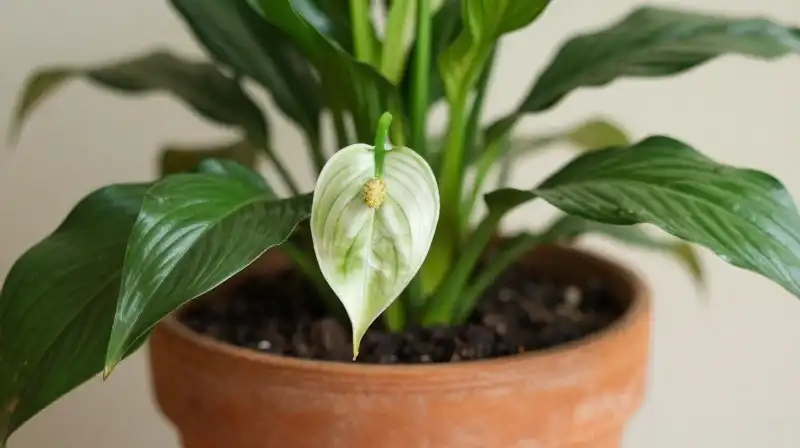 Maintaining a consistent routine for peace lilies prevents most drooping issues before they start.
- Water by Touch: Do not water on a schedule. Instead, feel the soil; only water when the top inch of soil feels completely dry.
- Control the Light: Keep the plant in a bright area that receives only indirect light to prevent scorching.
- Monitor Humidity: Since peace lilies prefer tropical conditions, maintain higher humidity levels, especially during dry indoor months.
- Inspect Regularly: Check the foliage weekly for early signs of pests or discoloration, allowing for quick intervention.
Ultimately, resolving a drooping peace lily requires moving beyond general plant care and focusing on specific environmental or structural deficits. By precisely diagnosing whether the issue is insufficient roots, lack of moisture, or external stressors, you can implement a targeted and successful recovery plan.
Explore more: The Three Horns of Odin: Mythological Origins and Historical
Diagnosing and Treating a Droopy Peace Lily
Diagnose the cause of drooping
Determine if the issue is overwatering (soggy soil, yellow/brown tips, musty smell), underwatering (dry soil, crispy/brittle leaves), or root-bound/environmental stress (pot size, light, humidity).
Address hydration issues
If overwatered, allow the top inch of soil to dry and ensure the pot has a drainage hole. If underwatered, give the plant a thorough soak, letting water run out of the drainage holes.
Address root bound conditions
If suspected, carefully repot the peace lily into a container that is only marginally larger than its current one, ideally during spring or early summer.
Improve environmental conditions
Ensure the plant receives bright, indirect light. If the air is dry, use a humidifier, group plants together, or place the pot on a pebble tray to raise humidity.
Inspect for pests
Regularly inspect the undersides of leaves and stems for signs of infestation (spider mites, aphids, mealybugs). Isolate and treat affected areas with insecticidal soap or neem oil if pests are detected.
Maintain regular care
Water the plant only when the top inch of soil feels completely dry, maintain higher humidity levels, and check for discoloration or pests weekly.
Related Articles