Helichrysum Angustifolium: Is the Fragrant Curry Plant Edible?

Introduction
The query surrounding the “curry plant” most often seeks confirmation on its edibility and genuine culinary applications. The short and essential answer is that Helichrysum species, including the fragrant variants often confused with Helichrysum angustifolium, are not considered edible food sources. While the plant possesses a potent, warm, and highly aromatic fragrance that mimics curry spices, it is bitter in taste and should never be consumed. This potent aroma is what led to its common but misleading alias, establishing a popular cultural misunderstanding regarding its uses.
Defining the Fragrant Asteraceae
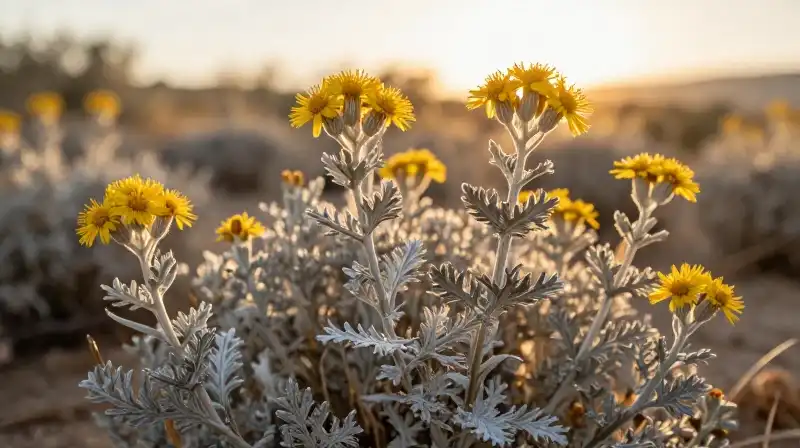
Commonly referred to as the curry plant, Italian strawflower, or immortelle, Helichrysum is a flowering perennial belonging to the Asteraceae family. Its distinct identity is rooted in its characteristic strong, resinous scent, which often resonates with notes of sage or wormwood. It is important to clarify that this beautiful Mediterranean perennial is not genetically related to actual curry spices (like curry leaf or curry powder) or curry trees.
The confusion arises because the plant’s powerful fragrance is often likened to those spices, leading to commercial mislabeling in sections dedicated to culinary herbs. While its fragrance is an appealing feature, its use is purely aromatic rather than gastronomic.
The Critical Difference: Aroma vs. Edibility
The primary concern for anyone considering this plant is its suitability for consumption. Reputable horticultural and botanical sources explicitly advise against using Helichrysum for any food application. The flavor profile of the plant is decidedly bitter, rendering it unsuitable for human ingestion, regardless of its strong fragrance. This distinction is critical for avoiding potential adverse reactions or discomfort.
Mislabeling due to the plant’s aromatic intensity can lead to dangerous consumption errors. Always verify plant identity and consult reliable horticultural texts before attempting to use any plant for consumption, even if it appears to be an edible herb.
Practical Horticultural Uses of Helichrysum
If your interest lies in cultivation, Helichrysum offers significant value in the landscape and in decorative arts. These hardy plants are perfectly suited for dry, rocky, or sandy soils characteristic of Mediterranean climates and are considered tender perennials suitable for USDA Hardiness Zones 7 through 10.
Its primary uses are decorative and aromatic:
- Fragrance and Potpourri: The intense aroma makes it a popular component in potpourris, wreaths, and herbal arrangements.
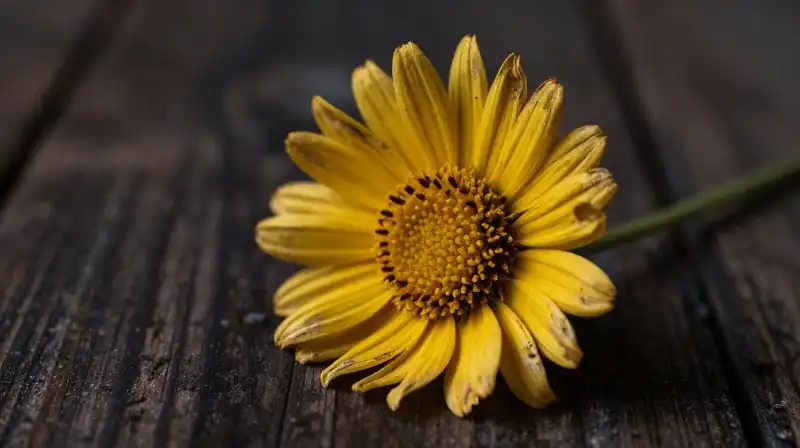
- Landscaping: It thrives in arid conditions, providing vibrant yellow flowers that tolerate limited water and heat.
- Cultivation: Propagation is typically achieved by rooting semi-hardwood cuttings during the summer months. For successful long-term growth, it requires overwintering in regions that remain frost-free.
Distinguishing Helichrysum Angustifolium and Related Species
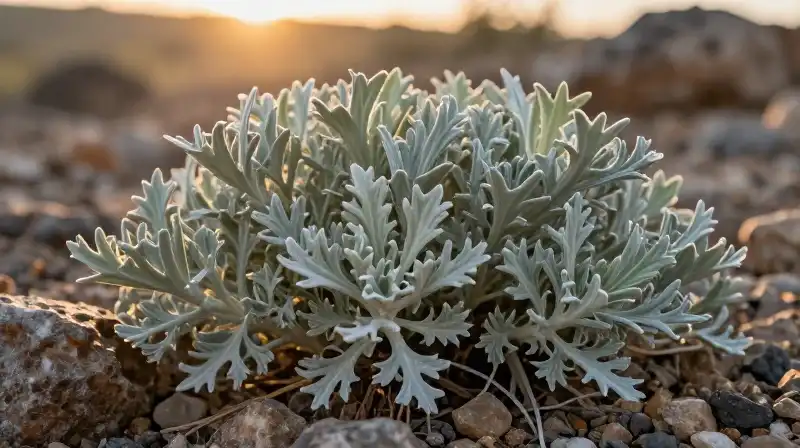
The search for Helichrysum angustifolium highlights common comparisons within the genus. While species like H. italicum (the classic “curry plant”) are often discussed, H. angustifolium shares similar characteristics of strong fragrance and silvery, often subtly aromatic foliage. Both are prized for their scent but share the same fundamental safety profile: they are not edible.
A general comparison across the genus suggests:
| Feature | Helichrysum Italicum | Helichrysum Angustifolium (General) | Actual Curry Spices |
|---|---|---|---|
| Primary Use Ornamental, Aromatic | Ornamental, Aromatic | Culinary, Flavor | |
| Edibility | Non-Edible, Bitter | Non-Edible, Bitter | Edible |
| Fragrance Source | Leaf/Foliage | Leaf/Foliage | Seed/Leaf/Bark |
| Common Confusion | Scent similarity to curry | Similar physical profile to H. Italicum | None (Distinct flavor) |
Summary of Practical Safety and Decision Criteria
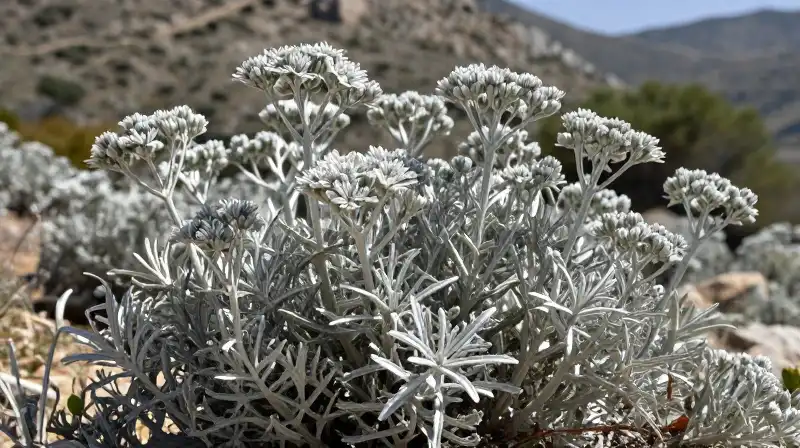
When assessing the use of any Helichrysum plant, focus on its role as a decorative or aromatic specimen, not a culinary ingredient. Its “curry-like” aroma is a characteristic, marketable feature, but it does not equate to a safe or suitable food source. To enjoy this plant safely:
- Identify its Purpose: Use it strictly for ornamental landscaping, wreaths, and aroma enhancement.
- Check for Confusion: Avoid the assumption that a potent scent indicates edibility. Many fragrant plants are toxic or bitter.
- Horticultural Care: Ensure the specific regional needs of your plant (like overwintering requirements) are met for longevity.
In summary, appreciate the fragrance and utility of Helichrysum in your garden, but never incorporate it into food preparations. Its value lies entirely in its unique scent and aesthetic appeal.
Frequently Asked Questions
What is helichrysum angustifolium?
Helichrysum angustifolium is a fragrant perennial known for its silvery, subtly aromatic foliage and is primarily used for ornamental and aromatic landscaping. Despite its strong scent, the plant is non-edible and bitter.
How to Cultivate Helichrysum
Root Cuttings
Achieve propagation by rooting semi-hardwood cuttings.
Time Propagation
Conduct the rooting process during the summer months.
Ensure Overwintering
For successful long-term growth, ensure the plant is overwintered in regions that remain frost-free.
Related Articles