Green Flowers: Choosing Varieties, Growing Tips, and Care

Introduction
Green flowers and plants offer a sophisticated, calming aesthetic that ranges from the delicate lime-green of early spring blooms to the deep, velvety emerald tones of late summer foliage. Moving beyond standard colorful bouquets, green varieties provide structural interest, color contrast, and often deliver powerful symbolic meaning, such as rebirth and renewal. Successful gardening with green plants requires specific attention to their light requirements and soil chemistry, as many species have niche preferences—some thrive in acidic soil while others prefer alkaline conditions.
Whether you are filling a shady garden border, crafting a striking cottage garden centerpiece, or cultivating a specific hue for an indoor vase, choosing the right green plant depends entirely on its specific environmental needs and its intended use. Understanding these distinctions is key to ensuring optimal health and maximizing the ornamental value of your green garden.
Selecting the Right Varieties for Your Space
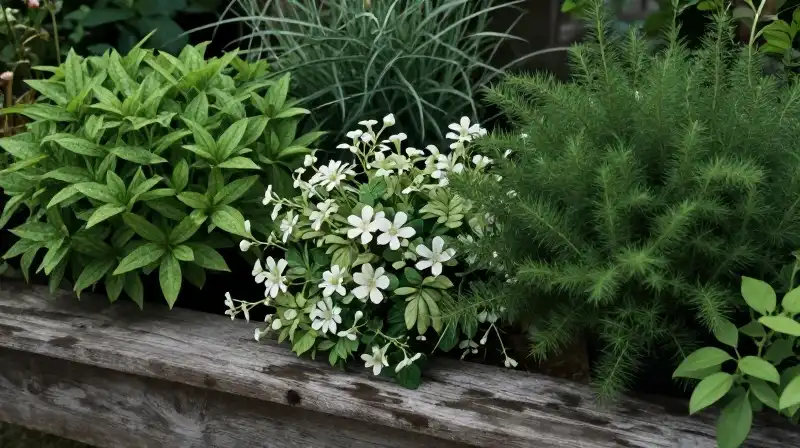
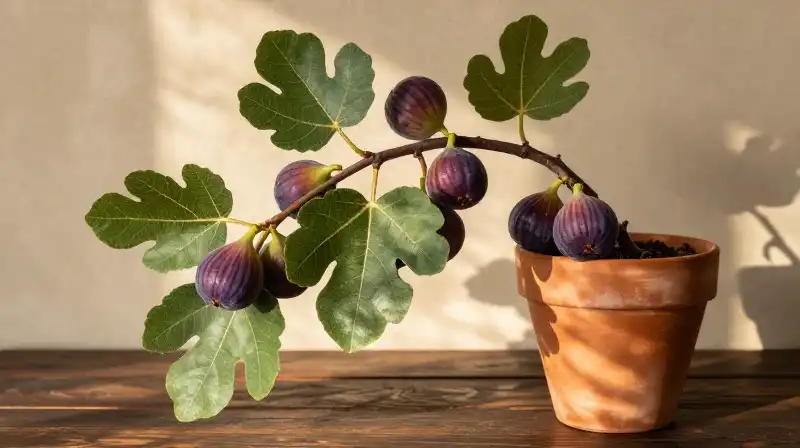
The term “green flower” can encompass both species with true green blossoms and those whose primary visual impact comes from vibrant, architectural green foliage. Choosing a variety must be driven by the intended environment—garden, container, or indoor setting.
True Green Blooms
Some species produce flowers that are naturally green, providing a unique focal point. These include:
- Anthurium: Often grown as a houseplant, its distinctive spathes are celebrated for their lush, vibrant green hue.
- Green Hellebore (Lenten Rose): Highly valued for providing early-season interest in shaded areas, these hardy perennials exhibit lovely green nodding flowers in late winter and early spring.
- Chartreuse Irises and Green Tulips: These spring varieties introduce pale yellow-green tones that can brighten cool, early-season palettes.
Foliage as a Feature
Many ornamental plants use exceptional foliage to create a green visual interest, making them ideal for garden structure. Consider these varieties:
- Lady’s Mantle: Valued for its unique, delicate leaves that often remain ornamental even after the flowering season ends.
- Mediterranean Spurge: Offers significant structural interest through its stems and dense foliage, providing a strong architectural element in arid or sun-exposed landscapes.
- Amaranthus (Lime-colored varieties): These annual plants can provide distinct lime-colored textures and vibrant plumes that catch the eye.
Cultivation Requirements and Environmental Suitability
Optimal growth is determined by matching a plant’s specific needs to your local climate and garden conditions. General green plant care is insufficient; you must check the USDA hardiness zone and the specific soil/light demands of the chosen species.
Light Needs and Placement
Sun exposure varies widely among green varieties:
- Full Sun: Plants like certain forms of Zinnia or Mediterranean Spurge prefer being in direct sunlight for robust growth.
- Partial Shade / Bright, Indirect Light: Many houseplant green varieties, such as Anthurium and various forms of Celosia, thrive in these moderated light conditions.
- Shade: Plants like the Green Hellebore are specifically adapted to low light and shaded garden areas.
In indoor settings, ensure placement away from harsh, direct sunlight which can scorch delicate foliage, yet still providing enough ambient light for photosynthesis.
Soil pH and Drainage
The type of soil that supports successful growth is critical:
- Neutral to Slightly Acidic: Most general green varieties, such as Hydrangea, benefit from this range.
- Slightly Alkaline: Some specialized plants, like the Bells of Ireland, show a preference for slightly higher pH conditions.
- Well-Draining: For almost all species, well-draining soil is non-negotiable. Plants must have good drainage to prevent root rot.
Practical Care for Indoor and Cut Specimens
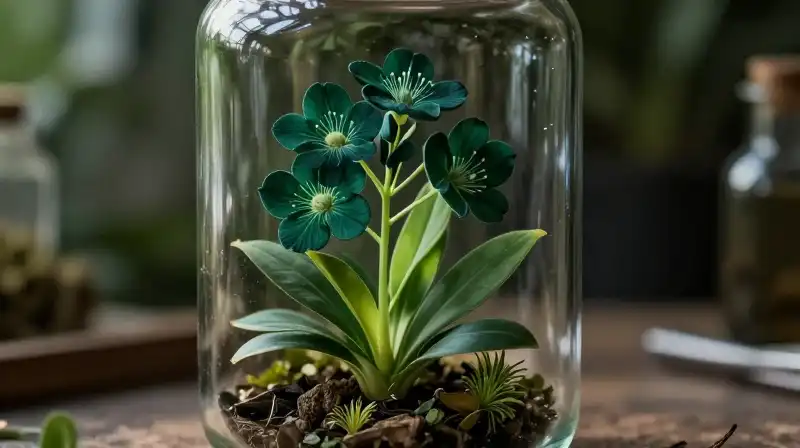
Once a green variety is established, ongoing maintenance ensures its continued vibrancy, whether it is in a planter or a vase.
Maintaining Container and Garden Health
To ensure a healthy plant life in pots, focus on consistent moisture management and nutrient supply. Overwatering is a common mistake leading to yellowing leaves, so always check the soil moisture before watering. In garden settings, annual fertilization should be adjusted based on the plant’s lifecycle and growth rate.
Caring for Green Flowers in Arrangements
When using green flowers for floral arrangements, specific handling improves longevity:
- Recutting Stems: Always recut stems at a 45-degree angle immediately before placing them in water. This increases the surface area for better absorption.
- Cleaning Water: Regularly change the water to remove bacteria and ensure maximum freshness.
- Foliage Management: Remove any foliage that would be submerged below the waterline, as this leads to rot and kills the stem faster.
Green arrangements can be successfully paired with seasonal blooms or varied foliage to create a textured, monochromatic, or contrasting bouquet.
Beyond Aesthetics: Ecological and Symbolic Significance
Green flowers offer utility and meaning that extends beyond their visual appeal, providing ecological support and cultural significance.
Ecological Roles
Many flowering green plants serve an important ecological purpose. They provide vital habitat and food sources for local wildlife. Certain native green plants, including specific types of Milkweed, are essential for attracting and supporting beneficial pollinators like Monarch butterflies and bees.
Symbolism and Gift Giving
The color green naturally symbolizes life, growth, harmony, and fresh starts. For gift-giving, green flowers are appropriate for conveying good fortune, health, and sincerity to friends and loved ones on various occasions. Whether delivered regionally or across different geographical areas, green arrangements consistently convey a sense of renewal.
Distinguishing Natural Green from Artificially Dyed Blooms
It is important to distinguish between naturally occurring green blooms—which possess complex biological pigments and texture—and cut flowers that have been artificially dyed. While dyed blooms may offer a specific shade, natural green flowers offer a depth of texture and subtle color variation that is invaluable in natural floristry.
Final Selection Criteria and Practical Warnings
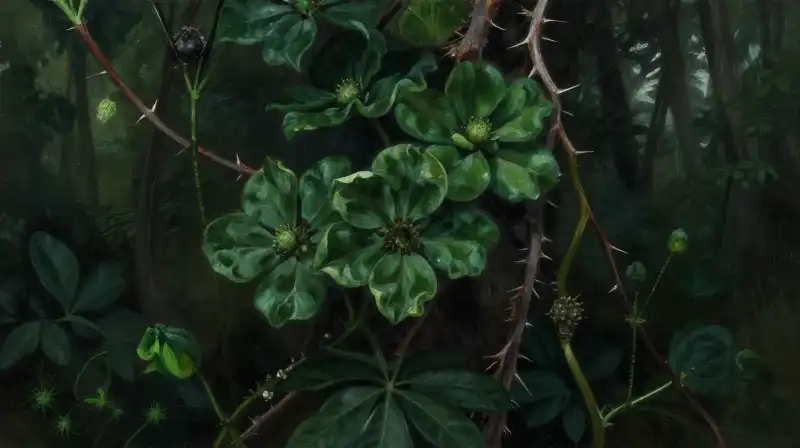
When choosing green varieties, focus on utility and maintenance potential. Use the following criteria to make an informed decision:
- Purpose First: Are you seeking structural plants (like Mediterranean spurge), early seasonal interest (like Green Hellebore), or soft ornamental texture (like certain Celosia)?
- Light Matching: Do not attempt to grow a sun-loving species (e.g., Zinnia) in deep shade, or a shade-lover (e.g., Green Hellebore) in intense, blistering direct sun.
- Specificity Over Generality: Instead of searching broadly for “green flowers,” narrow your search to specific traits—“dark green flowers” for deep color contrast, or “textured lime green perennials” for foliage appeal.
The most important practical warning is to avoid making a general assumption about a plant’s care based on its color; always check its native requirements for optimal results and to prevent common errors like root rot or stunted growth.
Explore more: Dia de los Muertos Skull Designs: Symbols and Artistic Inspi
How to Care for Green Flowers in Arrangements
Recutting Stems
Always recut stems at a 45-degree angle immediately before placing them in water to increase the surface area for better absorption.
Cleaning Water
Regularly change the water to remove bacteria and ensure maximum freshness.
Foliage Management
Remove any foliage that would be submerged below the waterline, as this leads to rot and kills the stem faster.
Related Articles