How to Grow a Viburnum Hedge: Pruning, Care, and Design

Introduction
Viburnums are highly ornamental shrubs prized for their dense, robust growth habit and dramatic multi-seasonal displays, featuring vibrant spring blooms, summer berries, and colorful fall foliage. While some gardeners view hedges as maintenance burdens, the Viburnum offers a powerful combination of resilience, structural integrity, and year-round visual interest, making it an excellent choice for creating defined boundaries. Successfully growing a Viburnum hedge requires understanding its specific horticultural needs and dedicating particular attention to proper pruning timing.
Selecting the Right Viburnum for Your Design
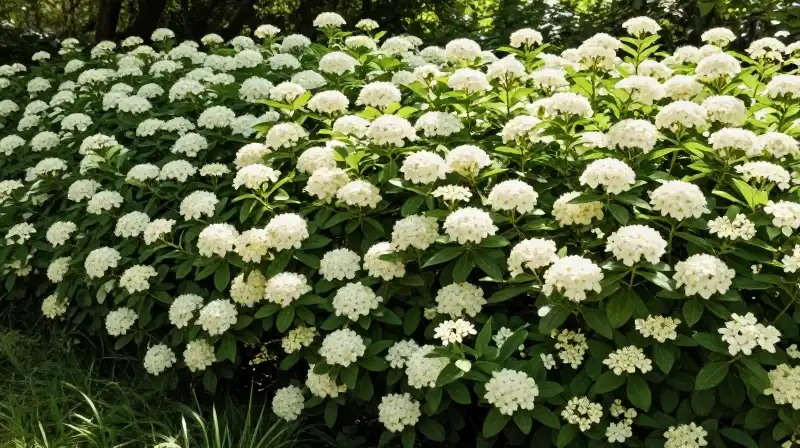
When starting a hedging project, not all Viburnum cultivars are suited for the task. Because the “Hedging plants viburnum” category is broad, choosing the correct species based on height and bloom cycle is essential for your aesthetic goals.
Consider Size and Scale
Viburnums are available in a wide spectrum of sizes. From compact bushes ideal for narrow urban spaces to varieties that reach up to 20 feet, there is a suitable option for almost any landscape. For defining property lines, consider the mature height of the desired cultivar to ensure it does not overwhelm surrounding structures or walkways. For robust hedging plants viburnum, denser growth is key to successfully masking visibility.
Light and Soil Preferences
Most Viburnums perform best when placed in areas receiving full sun or partial shade. They are remarkably adaptable to various soil types but thrive in well-draining soil. While they can handle a range of pH, a slightly acidic environment will generally promote the most vigorous growth and floral displays.
Establishing Your Viburnum Hedge: Initial Planting
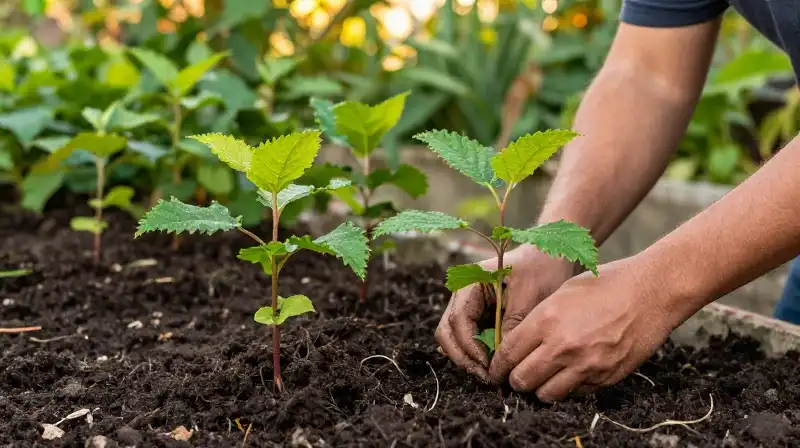
The initial establishment phase is the most critical period for a young Viburnum. To ensure the shrub develops a strong foundational root system, a focused care regimen is necessary.
- Planting Technique: Dig holes twice the width of the root ball and backfill gently. Ensure the planting is done in early spring or fall to allow time for root establishment before harsh weather arrives.
- Water Consistency: During the first year of growth, young plants require consistent watering. Do not let the soil dry out completely; frequent deep watering is necessary to establish a strong and deep root structure.
- Optimal Placement: For maximum fruit and flower yield, it is advisable to plant multiple individuals of the same species near each other, as many Viburnums do not self-pollinate.
The Seasonal Rhythm of Viburnum Care
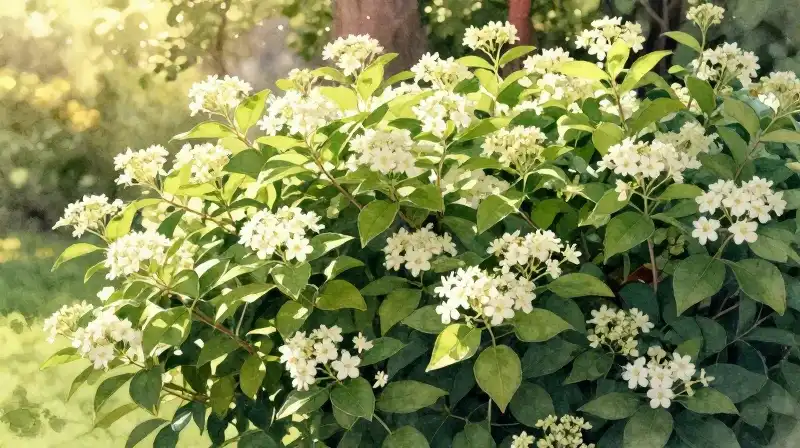
Viburnums require minimal intensive chemical inputs, relying primarily on natural seasonal cycles and minimal, targeted fertilizer application.
Nutrient and Light Requirements
Viburnums are generally adaptable, but optimal health is achieved with consistent sunlight and rich soil. Since the plant’s growth is relatively slow—some smaller varieties might only grow about one foot per year—focus on providing a consistently rich environment to encourage steady, desirable growth.
Fertilization Schedule
The recommended approach is to rely on a balanced, general-purpose fertilizer only after each major bloom season. Applying excess fertilizer during the growing season can sometimes encourage weak, overly fast growth, which is counterproductive for the dense form of a hedge.
Achieving and Maintaining Shape: Pruning a Viburnum Hedge
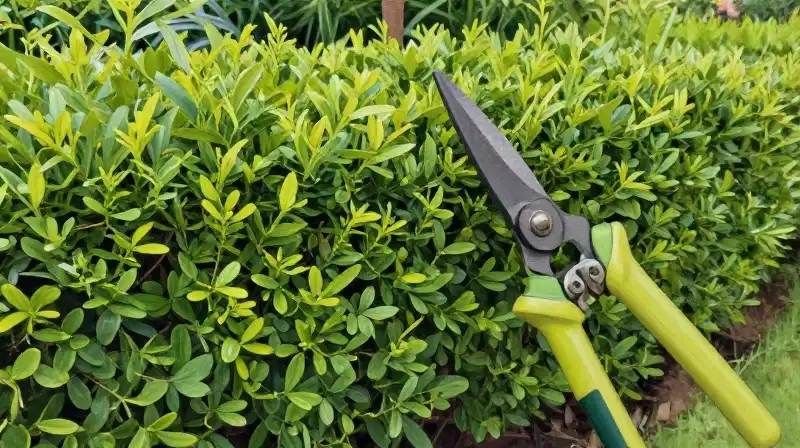
Regular, structured pruning is the single most important factor in maintaining the structural density, desired shape, and health of a Viburnum hedge. It also ensures adequate airflow within the foliage, which prevents disease.
When to Prune
Timing is critical. Pruning should always be conducted after the flowering period has finished but before the onset of freezing temperatures. Cutting during the late spring or early summer will remove the flowers, which might seem counterproductive, but allows the plant to focus its energy on structural growth and berry development. Avoid cutting in the fall if you want to preserve the winter foliage and berries.
The Safety Limit for Cuts
To prevent weak growth, excessive cutting, or compromising the plant’s long-term health, never restrict cuts to more than one-third of the plant’s overall size. Focus instead on “shearing” or “shaping”—removing thin, crossing branches (the weakest growth) and selectively trimming to maintain a clean, dense form rather than removing large sections of healthy foliage.
Addressing Your Questions About Viburnum Hedges
The function and appearance of a mature Viburnum hedge can vary dramatically depending on the specific cultivar chosen. For clarity on potential looks or problems, keep these points in mind.
What Does a Viburnum Hedge Look Like?
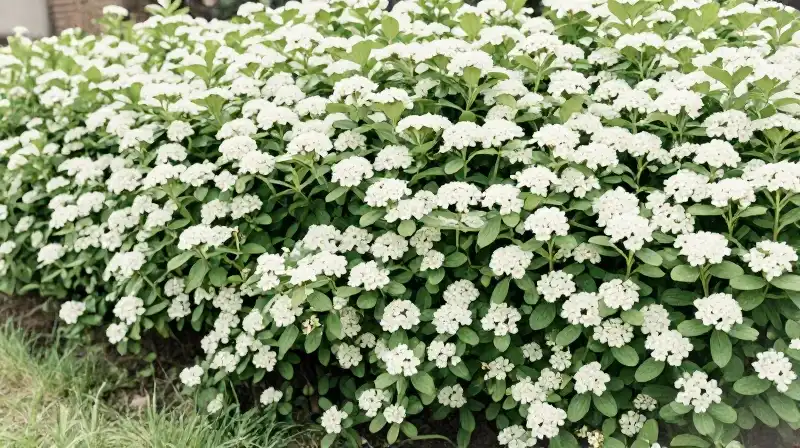
A well-maintained Viburnum hedge typically presents a dense, solid wall of foliage that varies by season. In late spring, it may feature masses of blooms. During the summer, it transitions into a display of ornamental berries. In the fall, the leaves often shift into deep reds, oranges, or vibrant yellows, creating a highly decorative hedge compared to evergreen hedging plants viburnum. The most reliable and dense hedges often have a “mounding” habit, presenting a voluminous, lush appearance.
Managing Hedging Problems
While Viburnums are hardy, poor soil drainage or excessive competition for water can lead to decline. If spotting or leaf loss occurs, ensure the soil is well-draining and that adequate airflow is achieved through proper pruning and spacing.
Summary of Management Priorities

To summarize the requirements for successful Viburnum hedging, focus on three practical priorities: initial establishment, consistent pruning, and soil health. Prioritize watering and fertilization during the first year, but as the plant matures, shift your focus to consistent, structured pruning—always cutting after blooms and limiting cuts to no more than one-third of the plant’s volume. By adhering to these care protocols, your Viburnum hedge will provide reliable seasonal color and an enduring structural boundary.
Explore more: The Three Horns of Odin: Mythological Origins and Historical
Frequently Asked Questions
What does a viburnum hedge look like?
A well-maintained Viburnum hedge typically presents a dense, solid wall of foliage, often possessing a mounding habit. Its appearance varies seasonally, featuring masses of blooms in late spring, ornamental berries in the summer, and vibrant fall colors in the autumn.
How to Establish and Maintain a Viburnum Hedge
Select the Right Cultivar
Choose a Viburnum cultivar based on your required mature height, ensuring it is suitable for the space and aesthetic goals. Consider whether the variety is appropriate for the desired density.
Prepare Planting Site
Ensure the location receives full sun or partial shade and possesses well-draining soil, ideally with a slightly acidic environment.
Execute Initial Planting
Dig holes twice the width of the root ball and backfill gently. Perform planting during early spring or fall to allow time for root establishment.
Provide Consistent Initial Care
During the first year, require consistent deep watering so the soil does not dry out completely, which establishes a strong, deep root structure.
Maintain Optimal Placement
To maximize fruit and flower yield, plant multiple individuals of the same species in close proximity, as many Viburnums do not self-pollinate.
Determine Pruning Timing
Schedule pruning for after the flowering period has ended but before the onset of freezing temperatures. Do not cut in the fall if you wish to preserve winter berries and foliage.
Apply Correct Pruning Techniques
Limit cuts to no more than one-third of the plant's overall size. Focus on "shearing" and "shaping" by removing thin, crossing branches to maintain a clean, dense form.
Related Articles