Philodendron Mamei: Full Care Guide for Creeping Foliage

Introduction
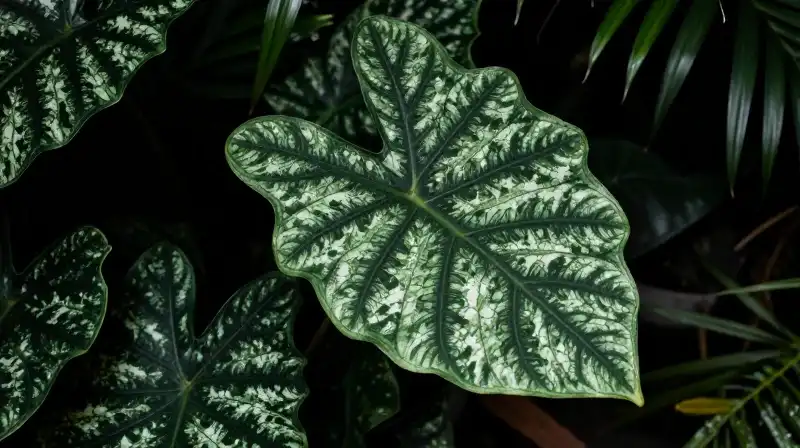
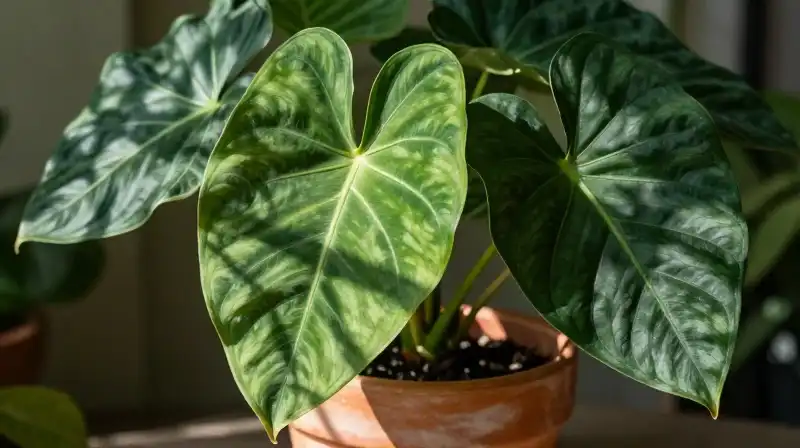
The mamei philodendron (*Philodendron mamei*) is prized among plant collectors not for its size, but for the breathtaking contrast of its foliage. This ornamental, creeping terrestrial aroid delivers large, heart-shaped leaves that feature striking silvery-green mottling against a deep green background. Unlike species that strive to climb toward the light, the mamei thrives as an impressive, ground-covering plant, spreading across its environment on sturdy stems. Successfully cultivating this plant requires providing a balance of high humidity and consistent warmth, ensuring its distinctive silver variegation remains vibrant and healthy. This guide offers detailed instructions for meeting the specific environmental and maintenance needs of the mamei philodendron.
Plant Characteristics and Cultivation Habits
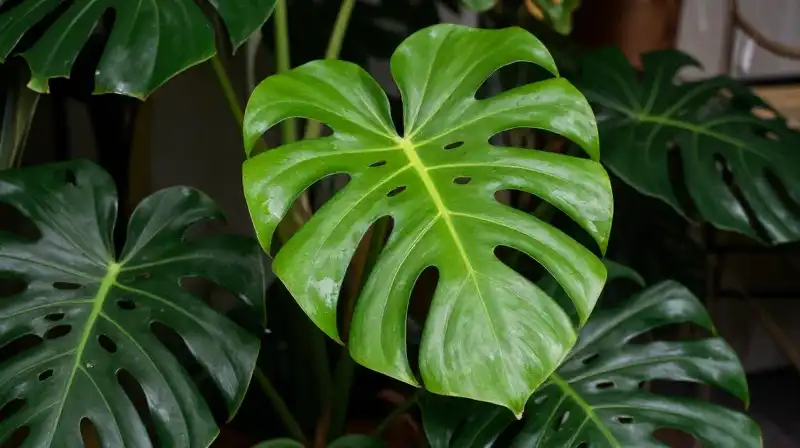
Understanding the unique biology of this species is key to successful cultivation. The *mamei philodendron* is an evergreen perennial native to the humid tropical forests of Ecuador. It functions primarily as a creeping or crawling plant, making it ideal for creating lush, dense ground cover rather than vertical growth.
Toxicity Warning
It is important to note that all plants in the Philodendron genus, including the mamei philodendron, are toxic. They contain calcium oxalate crystals which, if ingested, can cause irritation. Consequently, this plant must be kept out of reach of children and pets at all times.
Habit: Crawler or Climber? (People Also Ask)
The mamei philodendron is categorized as a terrestrial crawler. It spreads horizontally, forming a dense mat of foliage. While it features sturdy stems, it does not require a support structure (like a moss pole) to grow; its natural habit is to spread across the floor or potting medium, making it a perfect choice for creating dense coverage in a container.
Environmental Requirements for Optimal Foliage
To maintain the large, heart-shaped leaves and the characteristic silvery-white variegation, the mamei needs a specific tropical environment.
Light Needs
The mamei requires bright, indirect light. Placing it in harsh, direct sunlight will quickly lead to leaf burn and fade the delicate silver markings. While it enjoys bright spots, ensure the light is filtered, especially if it is near a window. Consistent bright light is vital for vigorous, healthy growth.
Temperature and Humidity
The plant is sensitive to temperature extremes and requires a consistently warm environment.
- Temperature: Optimal growing temperatures range between 65–85°F (18–29°C). It must be protected from cold drafts, particularly temperatures dropping below 60°F (15°C).
- Humidity: High humidity is essential for the health of this aroid. Aim for levels between 60–80%. Increased ambient moisture helps prevent crisp edges and promotes lush leaf growth.
Watering and Potting Protocols

Proper soil composition and consistent hydration prevent common issues like root rot while supporting the plant’s sprawling habit.
Soil Composition and Drainage
The mamei thrives in an airy, well-draining potting mix. A rich, organic soil mix that retains enough moisture to nourish the plant without becoming waterlogged is ideal. To achieve this, consider blending standard potting mix with perlite or orchid bark to enhance aeration.
Watering Frequency
The most common cause of plant decline is improper watering. Always allow the top 1–2 inches of the soil to dry completely before watering again. This allows the roots to breathe and prevents the conditions that lead to root rot.
Repotting Schedule
Repotting should occur every 2–3 years, or when you notice the roots becoming tightly bound (root-bound). Spring is the best time to repot, allowing the plant ample energy for growth in the warmer months.
Managing Health and Preventing Common Issues
As the mamei philodendron grows, routine care and vigilance against pests will ensure its success.
Fertilization
During the active growing seasons of spring and summer, regular fertilization is highly recommended to promote thick, vigorous foliage. Use a balanced, water-soluble fertilizer and always dilute it to half strength to prevent chemical burn.
Pest and Problem Management
Common pests that target the mamei include spider mites, aphids, and mealybugs. These require early detection and proactive treatment. If infestations are spotted, treatments such as neem oil or insecticidal soap are highly effective and should be applied thoroughly to all leaf surfaces.
Troubleshooting common problems:
- Yellowing and drooping leaves: These are often indicators of inconsistent hydration or overwatering. Allow the top soil to dry more thoroughly before watering.
- Faded silver markings: This is typically a symptom of insufficient light or a drastic drop in humidity.
Care Synthesis: Priorities for Mamei Success
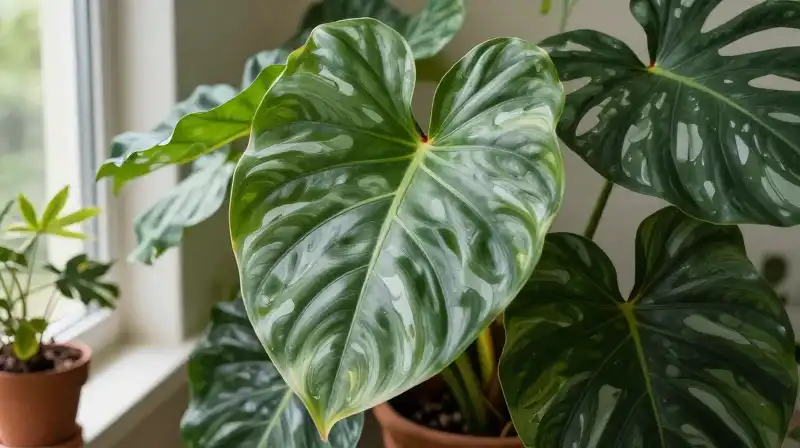
Successfully keeping a mamei philodendron is less about complex techniques and more about providing consistent environmental stability. The key decision-making criteria for the caretaker are:
- Light Quality: Always prioritize bright, indirect light over direct sun to preserve the foliage’s aesthetic.
- Moisture Balance: Use a porous, well-draining soil but maintain the high humidity and warm temperatures the plant demands. Never let the soil stay perpetually wet.
- Safety First: Always secure the plant and its foliage away from curious pets and small children due to its toxicity.
By meeting these fundamental needs—consistent warmth, high humidity, and indirect brightness—you will ensure your mamei philodendron flourishes as a vibrant, striking ground cover.
Explore more: Celtic Symbols for Brotherhood: Meanings and Interpretations
Frequently Asked Questions
Is Philodendron Mamei a climber or crawler?
The mamei philodendron is categorized as a terrestrial crawler and functions primarily as a creeping plant. It spreads horizontally across the environment, forming a dense mat of foliage rather than striving for vertical growth.
How to Cultivate a Mamei Philodendron
Set Up the Growing Environment
Provide bright, indirect light (avoid harsh direct sun) and maintain warm temperatures (65–85°F) with high humidity (60–80%) to ensure optimal leaf health.
Choose the Right Potting Mix
Use an airy, well-draining potting mix, blending standard potting mix with perlite or orchid bark to promote aeration and prevent waterlogging.
Water Consistently
Allow the top 1–2 inches of soil to dry completely between waterings to ensure adequate drainage and prevent root rot.
Fertilize During Growth Periods
During spring and summer, apply a balanced, water-soluble fertilizer diluted to half strength to promote vigorous foliage.
Monitor for Pests
Regularly inspect the plant for common pests like spider mites, aphids, or mealybugs, treating with neem oil or insecticidal soap if found.
Repot Periodically
Repot the plant every 2–3 years, or as soon as the roots become tightly bound, preferably during the spring.
Ensure Safety
Keep the plant out of reach of children and pets at all times, as all plants in the Philodendron genus are toxic.
Related Articles