Wild Strawberry Ground Cover: Selection, Varieties, and Benefits

Introduction
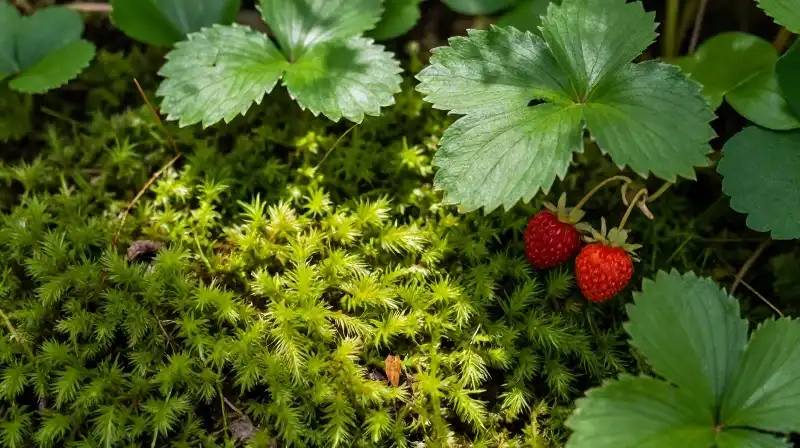
Wild strawberries offer a highly effective and ecologically valuable solution for ground cover in habitat gardens and naturalized landscapes. Unlike many aggressive creeping plants, these native species blend seamlessly into an ecosystem, providing dense coverage while actively supporting local biodiversity. Their primary function is not just aesthetic; they serve as critical tools for soil stabilization, weed suppression, and creating crucial foraging habitat for small native bees.
Selecting the right variety depends on your specific site conditions—whether you need deep coverage on a slope, a subtle layer in a woodland, or a resilient cover in a coastal area. Understanding the growth habits and specific traits of different species allows gardeners to utilize wild strawberries not just as plants, but as functional elements of sustainable landscape design.
Ecological and Structural Benefits of Wild Strawberries
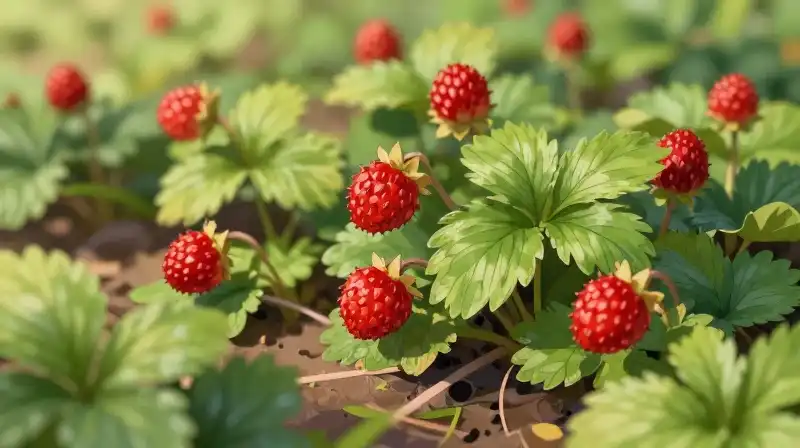
The effectiveness of wild strawberries as ground cover stems from their unique propagation mechanism. Unlike plants that rely solely on seeds, many species utilize stolons—horizontal stems that root at nodes and then spread into new plants. This stolon-based growth habit provides several distinct advantages in garden management and ecological resilience.
Soil Stabilization and Erosion Control
Stolons allow the plants to weave a dense, interlocking mat across the soil surface. This fibrous network significantly reduces soil exposure, which is vital for preventing erosion on slopes or disturbed ground. The dense root structure holds soil particles together, making wild strawberry ground cover an excellent choice for stabilizing vulnerable areas.
Support for Native Pollinators
The flowers of native strawberry species are a crucial food source for small native bees and other beneficial insects. By establishing a vibrant ground cover that blooms throughout the growing season, these plants create a consistent, low-level foraging habitat that contributes directly to local pollination health without requiring heavy, specialized interventions.
Superior Weed Suppression
The rapid, dense coverage provided by stolons effectively smothers nascent weed seedlings. When healthy and well-established, a thick carpet of wild strawberries minimizes the need for mechanical weeding, acting as a living barrier against opportunistic invaders.
Selecting the Best Species for Your Landscape
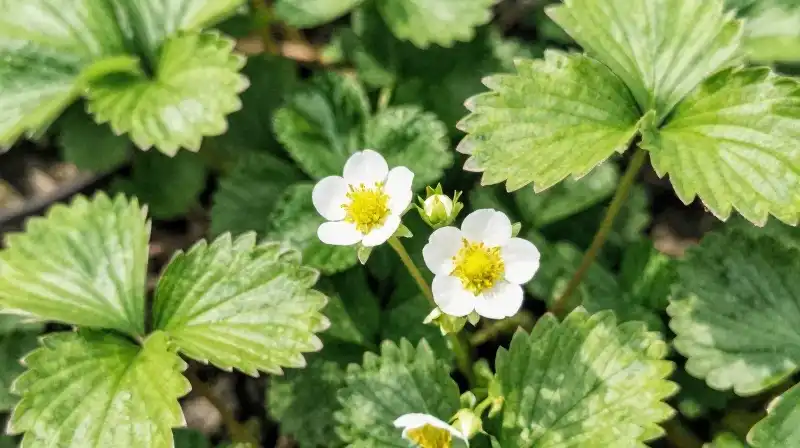
There are several native species to choose from, each with distinct characteristics that make them suitable for specific environments. The ideal choice depends on factors such as sunlight availability, soil moisture, and desired plant habit.
Beach Strawberry (Fragraria chiloensis)
Often considered a robust, five-star option for ground cover, Beach Strawberry excels in harsher conditions. It possesses a particularly dense growth habit and dark, evergreen leaves, which make it highly resilient. This species thrives in exposed, often sandy or coastal environments where other ground covers might struggle, providing tenacious coverage.
Woodland Strawberry (Fragraria vesca)
Woodland Strawberry is characterized by its deep, veined leaves and its distinctive flowering habit. Unlike species that cluster tightly to the ground, *Fragraria vesca* holds its flowers on relatively tall stalks, elevating them above the foliage. This provides excellent visibility for pollinators while maintaining a more open, subtle ground cover suitable for shaded or dappled sunlight environments.
Mountain Strawberry (Fragraria virginiana)
Mountain Strawberry offers a denser, low-profile cover suitable for moderate sunlight and cooler conditions. Its blooms are generally shorter and more obscured compared to the tall stalks of the Woodland Strawberry, resulting in a more uniformly low-to-the-ground appearance. It is well-suited for creating a dense, protective mat in rocky or more challenging slopes.
The table below summarizes the primary characteristics to aid in selection:
| Species | Habit & Density | Flower Characteristics | Ideal Environment |
|---|---|---|---|
| Beach Strawberry | Dense, robust, evergreen | Standard wild berry structure | Exposed, coastal, or sandy areas |
| Woodland Strawberry | Dense, moderately spreading | Flowers on tall stalks (visible) | Shady, dappled light, temperate zones |
| Mountain Strawberry | Low, dense, matted | Short, obscured blooms | Moderate sun, cooler, or rocky slopes |
Practical Care and Utilizing Stolons
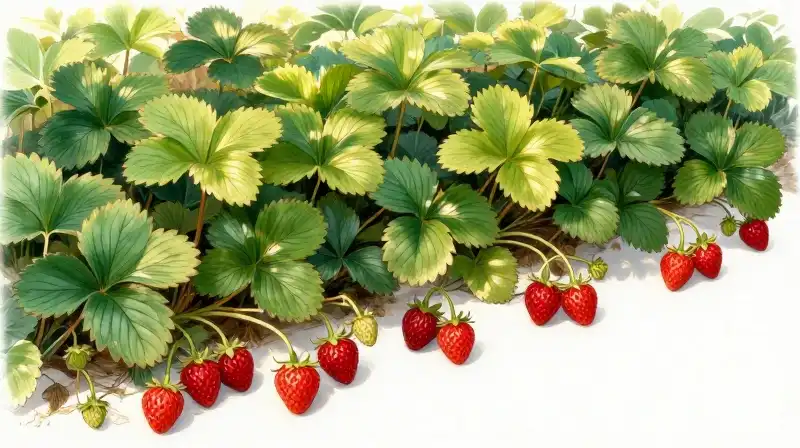
One of the most useful aspects of wild strawberry ground cover is its ability to expand controllably. If you place a stolon (a runner) over a desired area, it possesses the natural ability to self-root and establish a new colony. This allows for targeted expansion without extensive manual planting.
- Strategic Spreading: When propagating, place runners over areas requiring coverage rather than planting seedlings directly. This allows the plant to establish new roots and efficiently fill gaps.
- Blending with Perennials: Wild strawberries function as “considerate” garden elements. They are capable of weaving companionably with other perennials—such as ferns or hostas—without aggressively choking them, provided the species chosen matches the surrounding plants’ vigor.
- Maintenance: Minimal maintenance is required. Focus on ensuring adequate soil drainage and, if in an established area, gently managing the spread of runners in areas where density is preferred over coverage.
Managing the Spread and Understanding Limits
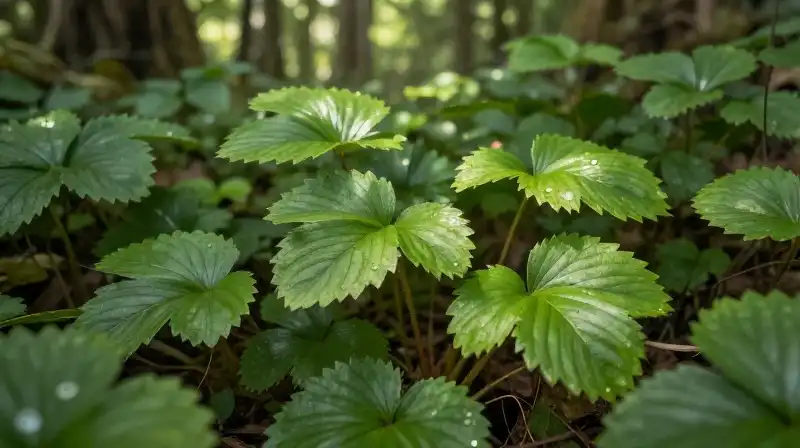
While wild strawberries are excellent ground cover, they are not without limits, especially regarding aggressive spread and suitability for certain microclimates.
Controlling Invasive Tendencies
Due to the effectiveness of their stolon-based propagation, wild strawberries can spread rapidly. If the spread exceeds the boundaries of the intended garden space, gardeners must take proactive measures. This might include physical barriers or carefully managing where runners are introduced, particularly in highly cultivated areas where you wish to restrict species competition.
Site-Specific Limitations
It is crucial to match the plant to the site. While *Fragraria chiloensis* is hardy, planting it in a consistently heavily shaded, overly saturated bog might limit its dense growth. Conversely, placing low-growing Mountain Strawberry in a direct, baking afternoon sun may cause it to become stressed and fail to establish a thick mat.
Conclusion: A Strategic Choice for Ecosystem Health
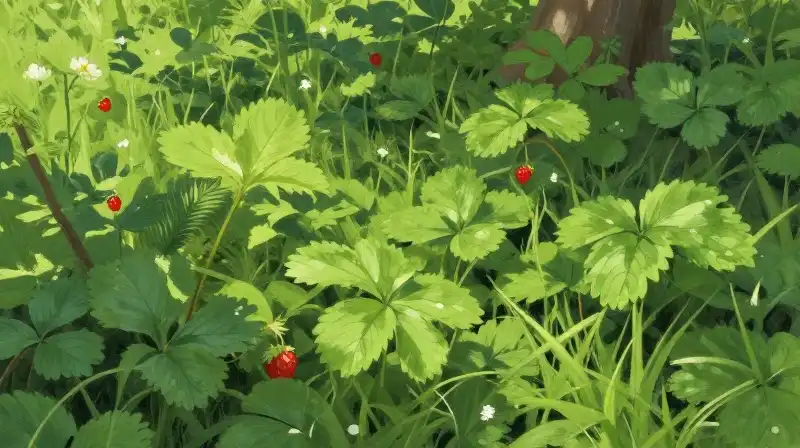
Wild strawberry ground cover provides a highly practical, low-maintenance, and ecologically beneficial option for garden design. By understanding the specific traits of Beach, Woodland, and Mountain varieties, you can strategically deploy this plant to manage soil erosion, suppress weeds naturally, and provide essential forage for local pollinators. Approach installation with an understanding of the stolon mechanism to ensure expansion is controlled and matches your landscape goals. Selecting a native variety that fits the site’s microclimate and desired density will ensure the plant functions as a vital and harmonious element of your habitat garden.
Using Wild Strawberries for Sustainable Ground Cover
Select the Appropriate Species
Determine the ideal variety (Beach, Woodland, or Mountain) based on specific site conditions, including sunlight availability, soil moisture, and desired plant habit (e.g., coastal, woodland, or rocky slope).
Propagate via Strategic Spreading
Utilize stolons (runners) for propagation. Place these runners over the desired area of the landscape rather than planting seedlings directly, allowing the plant to naturally self-root and establish new colonies.
Integrate with Surrounding Flora
Blend the wild strawberries with existing or planned perennials, ensuring the chosen species is gentle enough to weave companionably without aggressively choking other plants.
Monitor and Manage Spread
Focus on minimal maintenance, ensuring adequate soil drainage and, if necessary, gently managing the spread of runners in areas where controlled density is preferred over expansive coverage.
Related Articles