Frog Fruit Ground Cover: A Low-Maintenance Lawn Alternative

Introduction
When seeking a low-effort, high-impact alternative to traditional turf, Frog Fruit (Phyla nodiflora) emerges as a versatile ground cover. Known for its dense, mat-forming growth and delicate white blooms, this native plant transforms a standard patch of ground into a functional, flowering ecosystem rather than a typical ecological dead zone. Unlike grass, which often requires constant cutting and watering, Frog Fruit provides a robust, resilient cover that excels in hot, dry conditions while actively attracting essential pollinators like bees, butterflies, and wasps. The primary appeal of Frog Fruit lies in its ability to deliver the aesthetic of a continuous ground cover with significantly reduced maintenance.
Frog Fruit vs. Traditional Lawn: A Comparison
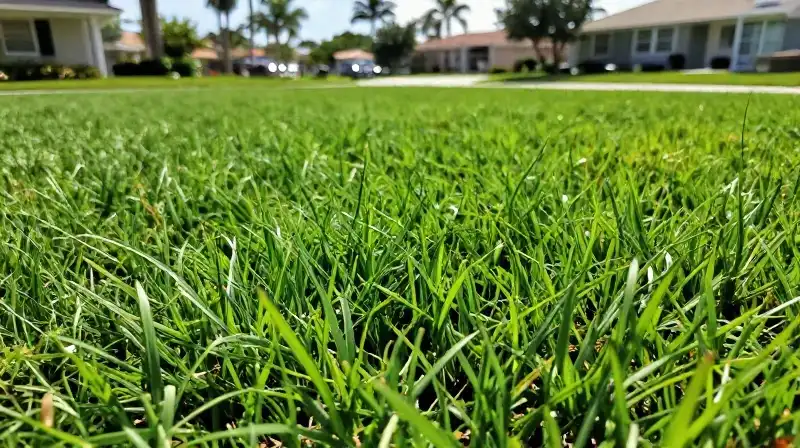
 Choosing Frog Fruit as a “lawn alternative” involves shifting the priorities from the uniform green monoculture of a grass lawn to a resilient, interactive landscape. While a traditional lawn requires specific soil pH, consistent watering, and periodic fertilization, Frog Fruit is inherently adaptive and thrives on less structured care. | Feature | Frog Fruit (*Phyla nodiflora*) | Traditional Turf (Grass) | | :--- | :--- | :--- | | **Ecosystem** | Flowering host plant; attracts pollinators (e.g., Common Buckeye). | Primarily grass; typically a habitat for low biodiversity. | | **Resilience** | Excellent heat tolerance; thrives in full sun and drought once established. | Sensitive to prolonged heat/drought; requires supplemental water during stress. | | **Maintenance** | Low overall; light trimming/mowing only after flowering. | Moderate to High; requires consistent cutting and weekly watering. | | **Adaptability** | Adapts well to minimal effort and varied sunlight (full sun to partial shade). | Requires specific light and consistent management. |
Ecological Benefits and Bloom Cycle
One of the most valuable aspects of installing Frog Fruit is its ecological contribution. As a long-blooming species, its white flowers provide continuous nourishment and habitat from approximately April through October. It serves as an ideal host plant for specific butterfly species, most notably the Common Buckeye, helping to support local biodiversity. Its ability to spread via runners (stolons) allows it to quickly colonize open, disturbed, or barren areas, creating a dense, uniform carpet that controls weeds naturally.
Is Frog Fruit invasive?
While Frog Fruit is highly effective at covering ground quickly, its invasiveness depends largely on the region and how it is managed. In tropical and subtropical environments, its ability to spread via runners can lead to very dense coverage, which some might perceive as invasive if allowed to completely dominate an area. However, when used in defined garden borders or as a replacement for over-watered lawn areas, its growth is typically contained by its boundaries and the overall health of the surrounding ecosystem.
Cultivation and Care Requirements
 Frog Fruit is renowned for its low-maintenance nature, particularly once it has become established in the ground. Its lack of extensive, deep roots means it is easy to control and remove if necessary, but its established resilience makes regular removal unnecessary for most homeowners.
Optimal Growing Conditions
* **Sun Exposure:** It thrives in full sun, offering a dense coverage most areas. It can also successfully adapt to part-shaded locations, though blooming may be slightly reduced. * **Moisture:** Once established, it is highly drought-tolerant, making it ideal for water-saving landscaping. New plantings require consistent moisture until the root system is anchored. * **Soil:** It is adaptable to many soil types, providing a flexible option for diverse garden setups. * **Growth Management:** While minimal intervention is needed, it can be lightly trimmed in the winter to prevent tangling or excessive density, and it can be mowed a single time after the main flowering season has concluded.
Maintenance and Propagation
The general maintenance for a thriving Frog Fruit ground cover is extremely low. Unlike the strict edging requirements of some turf, Frog Fruit maintains its shape naturally.
- Weed Suppression: Its dense growth helps block sunlight, naturally suppressing weed germination.
- Mowing: Only necessary if the mat becomes overgrown or if you wish to manage the texture; this is best done post-bloom.
- Winter Care: Light trimming is sufficient to maintain shape and prevent overly dense tangles.
If you wish to expand your planting, Frog Fruit is easily propagated. You can take cuttings from runners that have attached roots and replant them, a simple and effective method for expanding your cover.
Addressing Common Concerns
 Gardeners often have specific safety and usage questions regarding ground covers. Here is practical guidance for common concerns related to Frog Fruit.
| Concern | Status and Practical Advice |
|---|---|
| Is Frog Fruit poisonous to dogs? | While specific, comprehensive veterinary data is limited, there are no widely documented reports of Frog Fruit being acutely toxic to domestic dogs. However, as with any plant, ingestion should be avoided. It is recommended to monitor your dog’s reaction if it ingests large amounts, and keep the area safe for curious pets. |
| Frog fruit lawn pros and cons? | The primary “pro” is its exceptional hardiness and ecological benefit; the main “con” is that it does not provide the specific, pristine look of a manicured grass lawn. |
Planting and Acquisition Decisions
 Whether purchasing seeds or established plants, the acquisition method depends on the scope of your project. * Seeds: These are cost-effective for covering large, cleared areas and allowing natural colonization. * Clonal Runners: Buying existing clones or propagating from runners offers faster establishment and a more immediate, established mat of ground cover. When deciding whether to install Frog Fruit, weigh the desire for a traditional, pristine grass appearance against the desire for a hardy, water-efficient, and biologically active landscape.
Final Decision Criteria for Landscapers
 The decision to use Frog Fruit for a lawn alternative should be driven by several key factors.
- Environmental Goals: Choose this if water conservation, low-input care, and supporting local pollinators are high priorities.
- Usage Limits: Frog Fruit handles light foot traffic reasonably well, but it is not suitable for heavy recreational use (e.g., sports fields).
- Maintenance Tolerance: This is ideal for the low-maintenance gardener who wants a dynamic, living carpet rather than a perfectly manicured one.
By understanding its resilience and ecological role, homeowners can confidently replace high-maintenance turf with a durable, vibrant, and beneficial ground cover.
How to maintain and manage Frog Fruit ground cover
Ensure optimal establishment
Place the Frog Fruit in conditions matching its requirements: full sun or partial shade, and adaptable soil. Provide consistent moisture to the new planting until the root system is fully anchored.
Utilize natural weed suppression
Allow the Frog Fruit to grow densely; its robust mat-forming growth blocks sunlight, naturally suppressing weed germination and reducing the need for external herbicides.
Mow post-blooming
Mowing is only necessary if the mat becomes overgrown or if you wish to manage the texture. Perform any mowing only after the main flowering season has concluded to prevent damaging the blooms.
Perform light winter maintenance
In the winter, perform light trimming to maintain the desired shape of the ground cover and prevent overly dense tangles.
Related Articles