Annual Ryegrass: Benefits, Risks, and Best Practices for Cover Crops

Introduction
Annual ryegrass (*Lolium multiflorum*) is a high-performing, cool-season grass widely used in regenerative agriculture as a beneficial cover crop. If your goal is to improve soil structure, fight erosion, and manage nutrient runoff during the off-season, annual ryegrass offers significant advantages. However, because of its rapid growth, aggressive nature, and specific biological characteristics—including potential allelopathic tendencies—it requires informed decision-making. This article examines the functional benefits, necessary management steps, and the inherent risks associated with incorporating annual ryegrass into your cropping system.
Key Roles of Annual Ryegrass in Soil Health

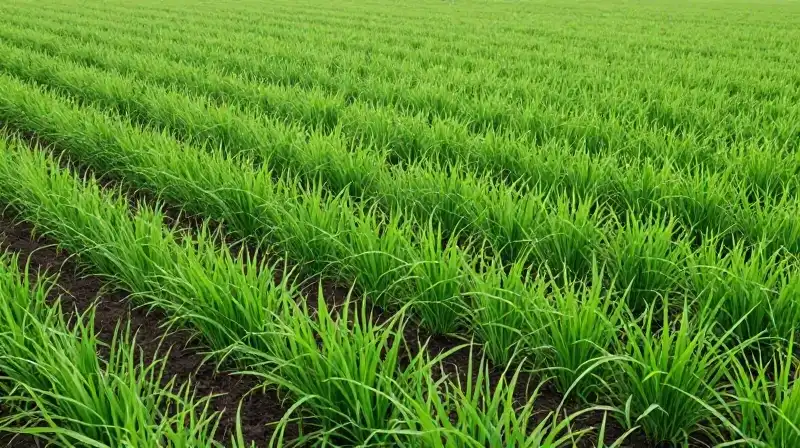
The value of annual ryegrass goes beyond simple ground cover; it provides several critical ecological services. Unlike annual plants with shallow roots, annual ryegrass develops an extensive root system. This network helps agronomists with several key functions:
- Erosion Control: Its ability to establish quickly and hold soil firmly makes it highly effective at stabilizing land, particularly in rocky or highly sloped fields. It acts as a protective mat that resists wind and water runoff.
- Drainage and Structure: The root architecture physically breaks up compacted soil, increasing pore space, which improves drainage and enhances water infiltration into the earth.
- Nutrient Scavenging: Annual ryegrass functions as a powerful nutrient scavenger. During the winter or fall, it actively captures excess nitrogen (N) and other nitrates, preventing them from leaching out of the root zone. This effectively serves as a natural fertilizer retention system.
Strategic Planting and Growth Benefits
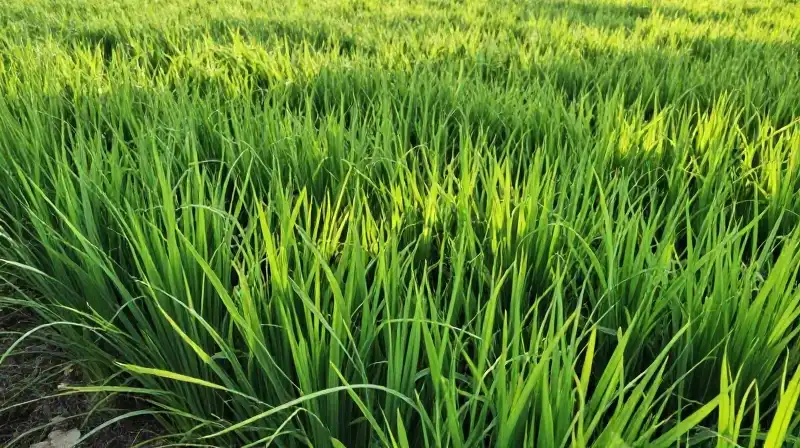
Because annual ryegrass thrives in low-temperature environments, it is a highly strategic cool-season cover crop.
Timing and Environment
The optimal planting window for annual ryegrass is typically late fall or early spring. These seasons provide the low soil temperatures required for robust growth and utilize the grass’s active periods while other crops are dormant. While the term “annual” is used, farmers should be aware that this species can sometimes behave as a biennial or a short-lived perennial, adapting to local conditions.
Compatibility and Usage
Ryegrass is an excellent choice for mixed cover crop systems. It is highly compatible with other soil builders. In particular, it functions effectively as a companion crop for slow-growing, fall-seeded legumes, such as crimson or red clover. The dense grass layer acts as a nurse crop, providing a milder environment that helps these companion plants establish and survive the winter.
Allelopathy and Environmental Limits
While annual ryegrass is beneficial, it is not without limitations, and its unique biological properties require due diligence:
The Risk of Allelopathy
One factor farmers must consider is the grass’s potential allelopathic nature. Allelopathy occurs when a plant releases biochemical compounds into the soil that inhibit the growth or germination of neighboring species. Annual ryegrass can potentially inhibit the germination of specific weed seeds or slow the growth rate of surrounding plants. If you plan to plant specific sensitive crops, testing or scouting the soil’s history may be beneficial before widespread planting.
Soil and Moisture Requirements
Annual ryegrass is a “heavy consumer,” meaning it requires consistent moisture and adequate fertility to reach its potential. While it exhibits good tolerance for various soil types, its peak performance is achieved in fertile, well-drained loam or sandy loam. In areas with severely restricted drainage, success may be limited.
Managing Seeds and Preventing Weeds
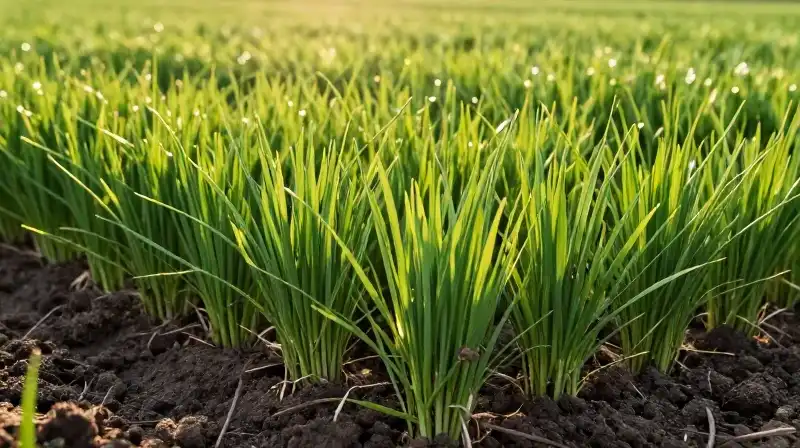
The greatest challenge with using annual ryegrass as a cover crop is managing its inherent tendency to self-seed. Because it is an extremely prolific seed producer, it can easily transition from a beneficial cover crop into a persistent invasive weed. Effective management is mandatory:
- Mechanical Destruction: The primary method for controlling ryegrass is mechanical. Tilling, heavy mowing, or crimping the grass before it has a chance to set seed is essential. This interruption of the plant’s life cycle keeps it controlled and prevents seed bank buildup.
- Destruction Timing: Timing is critical. If the grass begins to flower or set seed, the benefits of the cover crop are lost, and you risk creating a long-term weed problem.
Addressing Common Questions
Is Annual Ryegrass a good cover crop?
Yes, annual ryegrass is widely considered a very effective cover crop, especially for its rapid growth, high efficacy in erosion control, and ability to scavenge excess nitrogen. Its suitability depends heavily on whether you manage the seeding process correctly.
Can Annual Ryegrass be planted in the fall?
Yes. Fall planting is one of the ideal seasons. Planting during the fall ensures the grass can establish quickly and grow aggressively during the cool winter months, allowing it to build root mass and perform its protective functions throughout the dormant season.
Decision Criteria for Utilizing Ryegrass
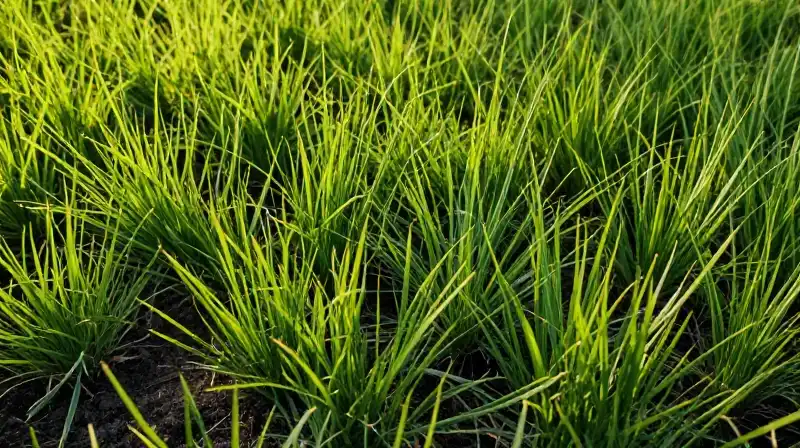
Before committing to annual ryegrass, evaluate your goals and conditions against these criteria:
| Use Annual Ryegrass if… | Be Cautious/Seek Alternatives if… |
|---|---|
| Your primary goal is aggressive soil structure improvement and nutrient capture. | You have sensitive crops where allelopathy might inhibit germination. |
| You have reliable access to heavy machinery (tillage/mowing) to control seed set. | You lack the ability to mechanically disrupt the plant before seed production. |
| You are planting in areas with moderate fertility and good drainage. | Your soil drainage is consistently poor, limiting the grass’s heavy water requirement. |
Ultimately, annual ryegrass is a powerful tool for soil regeneration, provided the farmer recognizes its need for moisture, its competitive vigor, and the absolute necessity of its mechanical management before its seeds become a problem.
Frequently Asked Questions
Is annual ryegrass a good cover crop?
Annual ryegrass is widely considered a very effective cover crop, praised for its rapid growth, high efficacy in erosion control, and ability to scavenge excess nitrogen. However, its success depends heavily on proper management to control its tendency to self-seed.
Can annual ryegrass be planted in the fall?
Yes, fall planting is considered one of the ideal seasons for annual ryegrass because it ensures the grass can establish quickly and grow aggressively during the cool winter months. This timing allows it to build root mass and perform protective functions throughout the dormant season.
Related Articles