Autumn Beauty Sunflower Care: How Tall and When to Plant

Introduction
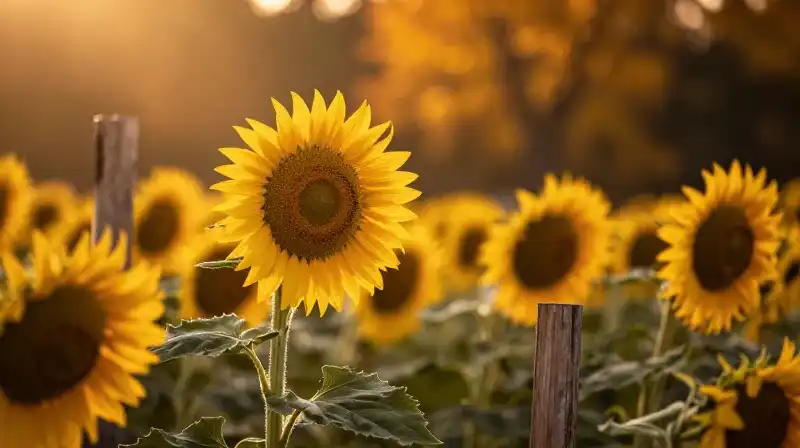
The Autumn Beauty sunflower is a distinct and highly ornamental cultivar prized for its unique color palette—a rich blend of red, orange, yellow, and bronze—and its branching growth habit. If your goal is to cultivate these stunning blooms, understanding the physical limits and timing is crucial for a successful harvest. This guide addresses the primary concerns of how tall the Autumn Beauty Sunflower can grow and the precise timing for sowing to ensure it thrives throughout the season.
Understanding Autumn Beauty Sunflower Height

While the general sunflower family can achieve impressive heights, the Autumn Beauty variety tends to possess a more manageable, decorative stature. This distinction is important for planning your garden layout and ensuring neighboring plants are not overshadowed.
Growth Potential and Mature Size
Autumn Beauty is typically categorized as a medium-height annual. It generally grows to a height of 5 to 6 feet, with a characteristic spread of 12 to 18 inches. Under absolutely ideal conditions, especially when given deep, fertile soil and ample space, its ultimate potential might slightly exceed this, but 5-6 feet should be considered the reliable mature size.
Because this variety features a branching habit rather than a single massive head, the overall visual impact is achieved through multiple, smaller blooms distributed across the plant, giving it a robust, bushy appearance.
When to Sow Autumn Beauty Sunflower: Timing and Spacing
Successful planting hinges on timing and proper spacing to allow the branching structure of the Autumn Beauty to fully develop. Unlike some single-stem varieties, the need for space is dictated by the variety’s multi-flowering nature.
Planting Schedule and Germination
Autumn Beauty sunflowers should be planted outdoors only after the risk of the last frost has completely passed. The seeds are quite resilient but require consistent warmth to begin their journey.
- Sowing Depth: Seeds should be planted approximately half an inch deep into the soil.
- Germination Time: Expect seedlings to emerge in about 7 to 14 days once soil temperatures are optimal.
- Season: It is best planted in the late spring to allow the full growing season from mid-summer through early fall.
Determining Optimal Spacing
Do not treat this plant like a traditional single-stem sunflower. Due to the Autumn Beauty’s branching nature, proper spacing is necessary to allow airflow, which prevents common fungal diseases, and to prevent the plants from competing for light and nutrients.
- Recommended Spacing: Plant seeds 12 to 24 inches apart.
- Thinning: Once the seedlings develop their second set of leaves, you must thin the seedlings to ensure only one robust plant remains in each desired growing spot.
Cultivating for Optimal Autumn Beauty Blooms
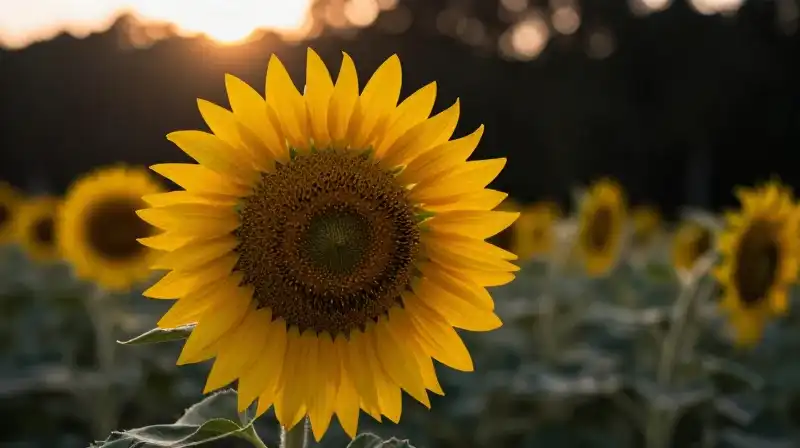
Achieving the vibrant colors and robust health that define this cultivar requires specific environmental conditions, focusing heavily on light, soil composition, and water management.
Sun and Location Requirements
Sunlight is non-negotiable for maximum health. Autumn Beauty requires full sun exposure, meaning a minimum of six to eight hours of direct sunlight daily. While the plant is generally resilient, its significant height makes location planning vital.
Key Consideration: Due to its height (5–6 feet), it is strongly recommended that you plant this sunflower in a location that offers natural shelter. This protects the stalks from excessive wind damage and minimizes the chance of taller neighboring plants shading its lower leaves.
Soil and Watering Needs
The roots of the Autumn Beauty demand a robust foundation. Do not plant in heavy clay or poor, compacted dirt.
Ideal Soil Profile:
- Fertile, deep, and loose soil.
- Enriched heavily with organic matter to promote rich, stable growth.
- Slightly acidic to neutral pH is preferred.
- Well-drained soil is essential to prevent root rot during periods of heavy rain.
Water regularly, especially when the weather is dry, ensuring the soil stays consistently moist but never soggy. Consistent moisture supports the development of its complex, multi-colored blooms.
Addressing Common Pests and Maintenance
While Autumn Beauty is generally sturdy, its vigorous growth and attractive appearance attract certain garden visitors. Proactive maintenance ensures a healthy season.
Pest and Disease Monitoring
The two most common challenges are pests and fungal infections, which thrive in humid, crowded conditions.
Pests: Keep an eye out for common aphids. If you see infestations, a gentle application of horticultural soap can usually clear the problem.
Diseases: Be vigilant against rust and powdery mildew, particularly in damp conditions. Maintaining good air circulation (via the proper 12-24 inch spacing) is your best defense. Although they typically avoid large herbivores, monitoring for potential nibbling by deer or rabbits is advisable in unfenced areas.
Post-Harvest Care and Seed Utility
Once the plant reaches full maturity and the stalks begin to dry and droop, you can harvest the seeds. This variety is particularly useful because its seeds are confirmed to be edible and are excellent for replanting.
Harvest Process:
- Cut the flower heads after the stalks have turned dry and the blooms have finished their vibrant color.
- Hang the harvested seed heads in a warm, dry, and well-ventilated area.
- Allow the seeds to fully ripen and dry completely before storage or use.
After the autumn frost has died the plants back, remove them completely from the garden to prevent the potential carry-over of diseases into the following season.
Decision Criteria for Garden Placement
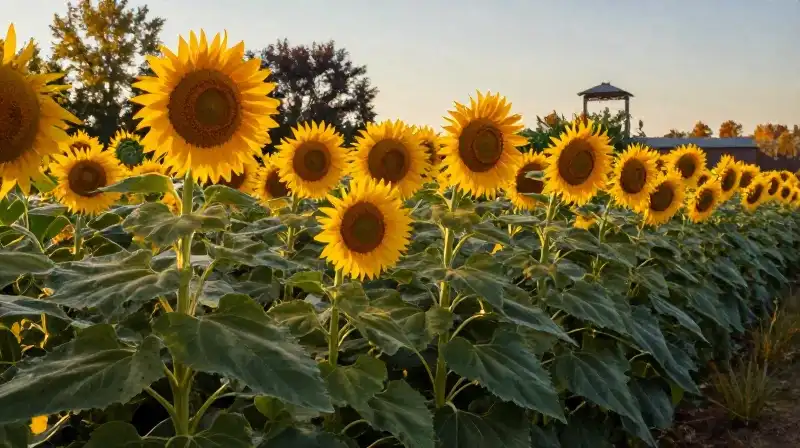
When deciding where to incorporate Autumn Beauty sunflowers into your landscape, prioritize functionality over sheer size. Since this is an annual plant, its lifecycle is relatively contained, but careful initial placement is necessary for success.
Before planting, ask yourself these questions:
- Space Available: Do I have at least 3 feet of linear space per plant, factoring in the 12–24 inch spreading habit?
- Sunlight Guarantee: Can I guarantee a minimum of six to eight hours of uninterrupted, direct sunlight?
- Wind Protection: Is there a natural barrier (fence, structure, hedge) nearby to reduce the risk of wind damage to the 5-6 foot stalks?
By prioritizing these criteria, you ensure that the unique aesthetic appeal and rich, warm hues of the Autumn Beauty sunflower are realized fully.
Explore more: Traditional Día de los Muertos: Symbols, History, and Custom
Frequently Asked Questions
How tall do autumn beauty sunflowers get?
The Autumn Beauty sunflower is typically a medium-height annual that generally grows to a height of 5 to 6 feet. Under reliable conditions, 5-6 feet should be considered its characteristic and reliable mature size.
When to sow autumn beauty sunflower?
It is best to plant the Autumn Beauty sunflower in the late spring to allow for the full growing season. You should only plant it outdoors after the risk of the last frost has completely passed.
How to Harvest Autumn Beauty Sunflower Seeds
Cut the flower heads
Cut the flower heads after the stalks have turned dry and the blooms have finished their vibrant color.
Hang the seed heads
Hang the harvested seed heads in a warm, dry, and well-ventilated area.
Allow seeds to ripen
Allow the seeds to fully ripen and dry completely before storage or use.
Related Articles