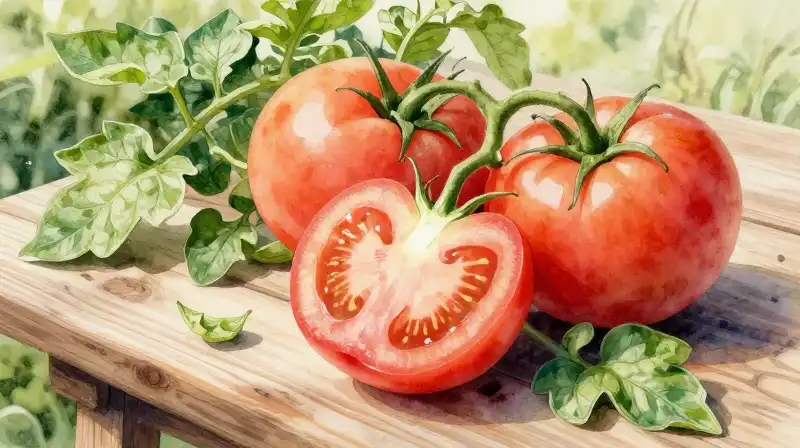
Goliath Tomato Guide: Growing, Flavor, and Yield Expectations

Introduction
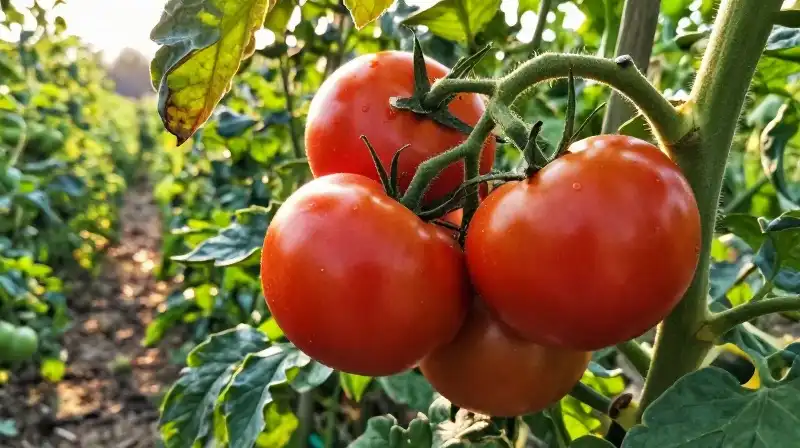
The Goliath tomato has established itself as a benchmark for gardeners seeking a robust blend of exceptional yield and superior flavor. This variety is defined by its reliable performance, producing heavy crops of large, uniform, bright red tomatoes. For those looking for a dependable slice of garden success, understanding the specific growth habits and environmental needs of the Goliath is crucial.
Unlike many experimental or heirloom varieties, the Goliath is bred specifically for consistency and productivity. It is categorized as an indeterminate plant, meaning it does not produce all its fruit at once, but continues to ripen and fruit throughout the entire growing season. If you are deciding whether the Goliath is the right choice for your garden, its ability to offer both prolific harvest and a superb balance of sweetness and acidity makes it a top contender among slicing tomatoes.
Understanding the Goliath Tomato Profile
Before planting, it is useful to know exactly what to expect from this particular cultivar. The Goliath is a hybrid, meaning it has been bred for predictability and strength, which distinguishes it from traditional heirloom lines. Consequently, the question of whether it is an heirloom is answered with no; it is a carefully engineered variety focused on optimal performance.
The variety excels in several key areas:
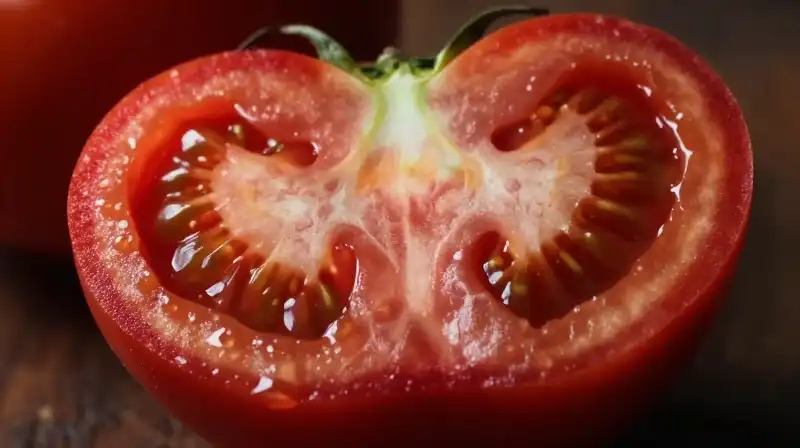
- Fruit Size and Shape: Tomatoes are substantial, typically ranging from 10 to 15 ounces each. They are noted for being blemish-free and uniformly round, making them ideal for large slices or beefsteak preparations.
- Flavor Profile: It offers a desirable balance between sweetness and acidity. This complexity makes it versatile for fresh salads, sandwiches, and raw consumption, rather than solely relying on heavy processing.
- Growth Habit: As an indeterminate plant, the Goliath offers a continuous harvest, providing a steady stream of fresh tomatoes throughout the warm season.
Optimal Growing Conditions for Goliath Success
Achieving the promised high yields and robust taste of the Goliath requires meticulous attention to environmental factors, particularly temperature, soil quality, and structural support.
Soil and Planting:
Success begins with preparation. Tomatoes require full sun and warm, well-drained soil that allows for adequate air and water infiltration. A critical step in soil preparation is pH management; ideal growth occurs when the soil pH is adjusted to between 5.8 and 6.6. If your soil is overly alkaline, lime may be necessary to adjust the acidity.
Temperature Management:
Goliath thrives in moderate warmth. Ideal daytime growing temperatures fall between 65 and 85°F. It is important to note that as temperatures rise above 95°F, growth typically ceases. Similarly, high nighttime temperatures (above 85°F) can prevent the ripe fruit from achieving its full red coloring, impacting the final appearance and flavor of the tomato.
Starting and Transplanting:
For commercial-scale or optimized home growing, starting seeds indoors 42–56 days before planting is recommended. Transplant timing is governed by the soil temperature reaching 60°F at a three-inch depth. Given its growth habit, proper spacing is vital; successful production typically requires a planting density between 2,600 and 5,800 plants per acre in commercial settings, though careful spacing is needed in home gardens to ensure adequate air flow and prevent disease.
Managing Growth and Maximizing Yield
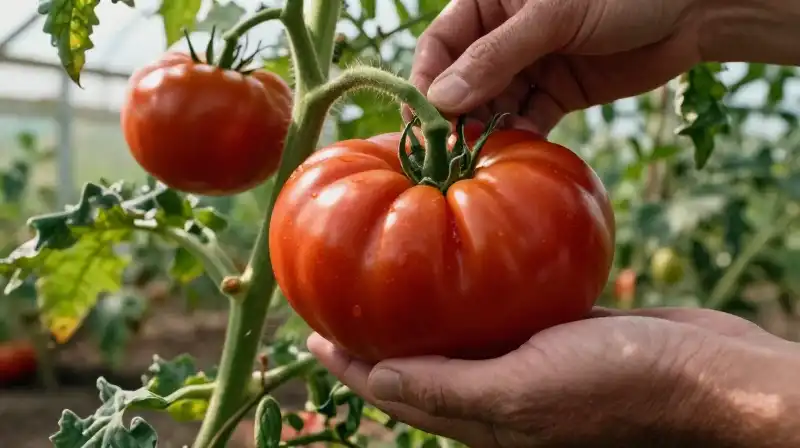
Because the Goliath produces such heavy yields, adequate physical support is non-negotiable for maintaining high quality, regardless of the variety. The plant structure must be off the ground to prevent fruit rot and support the weight of the mature 10 to 15 ounce tomatoes.
To maximize the productivity of your Goliath tomato plant, focus on these practical elements:
- Disease Resistance: While the variety shows strong resistance, consistent monitoring for signs of disease and ensuring good airflow remain vital practices.
- Water and Nutrients: Consistent watering and a nutrient-rich, well-drained soil provide the foundation for heavy fruit set.
- Harvest Strategy: High-quality production is a labor-intensive, seasonal process involving multiple pickings. Unlike some wholesale-focused varieties, the Goliath is intended for fresh markets, requiring careful, frequent harvesting.
Harvesting and Ripening Strategies
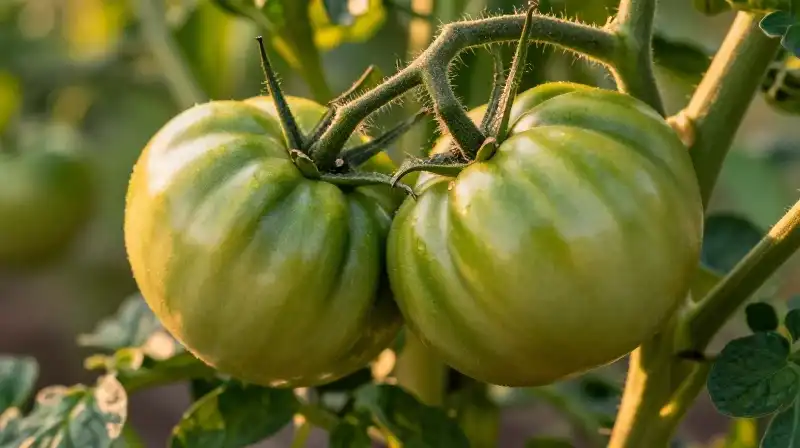
How and when you harvest your Goliath directly impacts its shelf life and flavor. Understanding the stages is key to both culinary quality and storage longevity.
The Break Stage:
For fresh-market use, the Goliath should be harvested when it achieves its deep, bright red color. This stage offers the peak balance of flavor and firmness suitable for slicing and salads. The harvest must be continuous throughout the season to maintain the flavor and quality of the fruit.
Storage and Handling:
Once harvested, proper storage conditions preserve the quality of the tomato:
- Red Tomatoes: Mature red Goliath tomatoes maintain excellent shelf quality when stored at 46 to 50°F with an ideal humidity level of 90–95%.
- Mature Green Tomatoes: If the fruit is harvested green, it maintains its quality best when stored in cooler conditions between 63 to 70°F.
Prioritizing Your Goliath Planting Decisions
When planning your garden, the Goliath tomato offers a compelling package, provided you respect its need for warmth and support. Its blend of high yield and reliable flavor makes it an excellent choice for gardeners aiming for both bounty and quality.
To ensure a successful outcome, focus on these critical success criteria:
- Verify Soil Preparation: Confirm your soil pH is between 5.8 and 6.6 and that drainage is excellent.
- Provide Constant Support: Do not overlook the need for strong staking or caging, especially given the weight of the mature fruit.
- Respect the Heat Limit: Be mindful of excessive heat (above 95°F) which will terminate the growth cycle, and hot nights (above 85°F) which can impede proper ripening.
The Goliath tomato is a reliable, productive powerhouse, but its success is dependent on attentive, climate-specific cultivation.
Frequently Asked Questions
Is Goliath an heirloom tomato?
No, the Goliath is not an heirloom variety; instead, it is a hybrid carefully engineered for consistency, predictability, and optimal performance.
How to Grow and Harvest a Goliath Tomato for Optimal Success
Prepare the Soil
Ensure the soil is warm and well-drained. Adjust the soil pH to between 5.8 and 6.6 to optimize growth.
Plant the Seeds
Start seeds indoors 42–56 days before planting. Transplant once the soil temperature reaches 60°F at a three-inch depth.
Provide Adequate Support
Because of the heavy yield, provide strong staking or caging to keep the plant off the ground and support the large fruit, preventing rot.
Manage Environment and Nutrients
Maintain consistent watering and nutrient-rich soil. Ensure daytime temperatures stay between 65 and 85°F, and monitor for temperatures above 95°F which will cease growth.
Monitor and Harvest
Maintain good airflow and monitor for signs of disease. Harvest continuously throughout the season when the tomatoes achieve their deep, bright red color.
Store the Produce
Store mature red Goliath tomatoes at 46 to 50°F with 90–95% humidity. Mature green tomatoes maintain quality best when stored in cooler conditions between 63 to 70°F.
Related Articles